Your Working Life – Details, episodes & analysis
Podcast details
Technical and general information from the podcast's RSS feed.
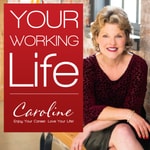
Your Working Life
Your Working Life with Caroline Dowd-Higgins
Business
Business
Frequency: 1 episode/9d. Total Eps: 299

Your Working Life is an award-winning podcast series hosted by career and professional development author, speaker, and influencer, Caroline Dowd-Higgins. Featuring candid interviews with luminaries in the career, leadership, entrepreneurship, and wellness fields, listeners will benefit from wisdom about how to navigate life and career. Well-known personalities and industry experts including Tiffany Cross, Whitney Johnson, Guy Kawasaki, Melissa Daimler, and Marcus Buckingham give their personal take on how to thrive in your career. The podcast features a diverse array of experts with a special emphasis on female leaders, authors, and entrepreneurs.
Site
RSS
Apple
Data updated on 12/07/2026
Recent rankings
Latest chart positions across Apple Podcasts and Spotify rankings.
Shared links between episodes and podcasts
Links found in episode descriptions and other podcasts that share them.
See allRSS feed quality and score
Technical evaluation of the podcast's RSS feed quality and structure.
See allPublication history
Monthly episode publishing history over the past years.
© My Podcast Data · Independent project · Data from Apple & Spotify