Peace of Earth – Details, episodes & analysis
Podcast details
Technical and general information from the podcast's RSS feed.
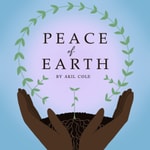

Looking for ways to combat today’s overwhelming environmental and social challenges? Through in-depth case studies from the U.S. and South Africa, Peace of Earth reveals how farming, gardening, and land-based projects are not only restoring the planet but also empowering people to resist oppressive systems and build healthier, more resilient communities. Discover the power of community and the potential for a more peaceful, sustainable world!
Peace of Earth is a podcast by interdisciplinary researcher and aspiring farmer Akil Cole. This mini-series is part of his 2024 undergraduate thesis at Georgetown University, where he studied Peace & Sustainability through the university’s Interdisciplinary Studies program.
Recent rankings
Latest chart positions across Apple Podcasts and Spotify rankings.
Apple Podcasts
🇺🇸 USA - socialSciences
25/09/2024#91🇺🇸 USA - socialSciences
24/09/2024#75
Spotify
No recent rankings available
Shared links between episodes and podcasts
Links found in episode descriptions and other podcasts that share them.
See allRSS feed quality and score
Technical evaluation of the podcast's RSS feed quality and structure.
See allScore global : 73%
Publication history
Monthly episode publishing history over the past years.
04| Two Land-based Pursuits for Peace on Earth
Season 1 · Episode 4
vendredi 6 septembre 2024 • Duration 28:46
In the fourth and final* episode of Peace of Earth, Akil brings this leg of his research journey to a close by comparing and contrasting the two case studies explored in previous episodes: the Community Ecology Institute (CEI) in Columbia, Maryland, and Soil for Life (SFL) in Cape Town, South Africa. You’ll hear key similarities between the organizations, focusing on their roles as "third places" and the influence of their visionary founders. You’ll also learn key differences in the socio-economic contexts of the two cities and the unique approaches each organization takes in addressing food insecurity and community resilience. Finally, you’ll get insightful takeaways, reflections on the lessons Akil learned, limitations of the research, and recommendations for community action. Hopefully you’re inspired to create change in your own community by the end of this episode!
Learn more about the key concepts and people discussed in today's episode!
- The Community Ecology Institute (CEI)
- Soil for Life (SFL)
- What are “third places” ?
- Land tenure
- Surgeon General’s Advisory on Our Epidemic of Loneliness and Isolation
- My friend Elizabeth Saunders’ Thesis
- My research methods
- My themes for analysis
- Healthy human relationships;
- Oppressive systems and community transformation
- Gardens and farms as essential goods
- Organizational features and operations
Have a question or feedback? Email me at alc332@georgetown.edu!
03| Soil for Life in Cape Town, South Africa
Season 1 · Episode 3
vendredi 6 septembre 2024 • Duration 18:43
In this third episode, Akil explores the second case study in his research: Soil for Life (SFL), a non-profit organization based in Cape Town, South Africa. You’ll hear a detailed historical overview of Cape Town, its colonial past, and the ongoing impact of apartheid, setting the context for understanding SFL’s vital work. From home food gardening programs to community empowerment initiatives, learn how SFL is fostering resilience in marginalized communities across Cape Town, particularly in the Cape Flats.
Learn more about the key concepts and people discussed in today's episode!
- Soil for Life
- Cape Town, Western Cape, South Africa
- Map of Cape Town (relative to the rest of South Africa)
- Indigenous people of Southern Africa
- What was apartheid?
- My themes for analysis
- Healthy human relationships;
- Oppressive systems and community transformation
- Gardens and farms as essential goods
- Organizational features and operations
Have a question or feedback? Email me at alc332@georgetown.edu
02| The Community Ecology Institute in Columbia, Maryland
Season 1 · Episode 2
vendredi 6 septembre 2024 • Duration 13:51
In this second episode, Akil dives into his first case study: the Community Ecology Institute (CEI), an environmental and educational non-profit organization based in Columbia, Maryland, USA. You’ll learn some relevant historical background and current socioeconomic conditions of the planned city of Columbia. You’ll also get a deep dive into CEI’s various land-based initiatives—from regenerative agriculture and nature-based education to a family friendly nature exploration program. Finally, you’ll learn how CEI contributes to community transformation and resilience within Columbia (and beyond)!
Learn more about the key concepts and people discussed in today's episode!
- The Community Ecology Institute
- Columbia, Maryland, USA
- Map of Columbia, Maryland (relative to Baltimore, Maryland and Washington, D.C.)
- Regenerative Agriculture
- My themes for analysis
- My themes for analysis
- Healthy human relationships
- Oppressive systems and community transformation
- Gardens and farms as essential goods
- Organizational features and operations
Have a question or feedback? Email me at alc332@georgetown.edu
01| A Question for Peace & Sustainability
Season 1 · Episode 1
vendredi 6 septembre 2024 • Duration 10:19
Welcome to Peace of Earth! In this first episode, host and interdisciplinary researcher Akil Cole introduces his main research question, the reasons for this research and his two case studies: the Community Ecology Institute in Columbia, Maryland, USA and Soil for Life in Cape Town, Western Cape, South Africa. He also introduces some key concepts, including the “Triangle of Violence” (direct, structural, and cultural violence), positive peace, and negative peace.
Learn more about the key concepts and people discussed in today's episode!
- Johan Galtung’s “Triangle of Violence”
- Timeline for the concept of “positive peace”
- Defining the Concept of Peace (Negative vs. Positive Peace)
- Similar articulations of peace by from different indigenous peoples:
- “Returning to the Teachings. Exploring Aboriginal Justice” by Rupert Ross (Cree and Ojibwe cultural values related to modern notion of “restorative justice”)
- The Seventh Generation Principle (Haudenosaunee Confederacy [Iroquois] philosophy of present-day responsibility for the well being of future generations)
- Great Law of Peace (Haudenosaunee Confederacy constitution)
- My themes for analysis
- Healthy human relationships;
- Oppressive systems and community transformation
- Gardens and farms as essential goods
- Organizational features and operations
- My research methods
Have a question or feedback? Email me at alc332@georgetown.edu!
Related Shows Based on Content Similarities