We Do Science – Details, episodes & analysis
Podcast details
Technical and general information from the podcast's RSS feed.


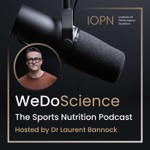
We Do Science is the sport and exercise nutrition podcast hosted by Dr Laurent Bannock, practitioner, educator, researcher, and Founder of The Institute of Performance Nutrition.
Relaunching in September 2026 for a new era, the show brings together leading researchers, elite practitioners, educators, and thinkers to explore the science, context, and real-world application of performance nutrition.
Each episode goes beyond headlines, protocols, and simplistic advice to examine how evidence is interpreted, challenged, and applied in practice. Topics include sport and exercise nutrition, body composition, protein and muscle, supplements, recovery, endurance nutrition, football nutrition, female athlete nutrition, behaviour change, practitioner development, and evidence-informed decision-making.
Originally launched as one of the leading podcasts in the sports nutrition field, We Do Science returns with the same core mission: to bridge the gap between science and practice.
Whether you are a sports nutritionist, dietitian, performance practitioner, coach, researcher, student, or serious health and fitness professional, this show is designed to help you think more critically, practise more effectively, and make better decisions in the real world.
Serious conversations in sport and exercise nutrition — from science to practice.
Site
RSS
Apple
Data updated on 31/10/2026
Recent rankings
Latest chart positions across Apple Podcasts and Spotify rankings.
Shared links between episodes and podcasts
Links found in episode descriptions and other podcasts that share them.
See allRSS feed quality and score
Technical evaluation of the podcast's RSS feed quality and structure.
See allPublication history
Monthly episode publishing history over the past years.
© My Podcast Data · Independent project · Data from Apple & Spotify