The CRNA Club Podcast – Details, episodes & analysis
Podcast details
Technical and general information from the podcast's RSS feed.
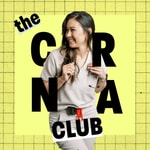

Wish you knew exactly what you needed to do to get into CRNA school? Need help coming up with a strategy to be a competitive applicant? You're in the right place! You'll get all of that and more when you tune into The CRNA Club Podcast with your host (and practicing CRNA) Sachi Lord. Her specialty? Breaking things down and turning them into bite-sized actionable steps and dishing the strategy you need to be a competitive applicant. Tune in, get inspired, and learn exactly what you need to do to check all the right boxes so you can get into CRNA school and join #thecrnaclub.
Here are a few topics we cover:
- Choosing the right CRNA program for YOU
- Figuring out what prerequisites you need
- What a typical day of a CRNA looks like
- How to pay for CRNA school
- Learning how to compare and contrast programs
- What makes a prepared applicant?
- Should you take the GRE?
- What certifications you NEED to get
- What not to do when submitting your application
- How to write a stand out resume
-How to calculate your GPA for CRNA school
- Personal essay Do's and Don'ts
- Shadowing a CRNA, how to find one
- Questions to ask the admissions committee
- Preparing for your CRNA school interview
- and more!
Site
RSS
Apple
Data updated on 23/10/2026
Recent rankings
Latest chart positions across Apple Podcasts and Spotify rankings.
Shared links between episodes and podcasts
Links found in episode descriptions and other podcasts that share them.
See allRSS feed quality and score
Technical evaluation of the podcast's RSS feed quality and structure.
See allPublication history
Monthly episode publishing history over the past years.
© My Podcast Data · Independent project · Data from Apple & Spotify