Take Back Your Health – Details, episodes & analysis
Podcast details
Technical and general information from the podcast's RSS feed.
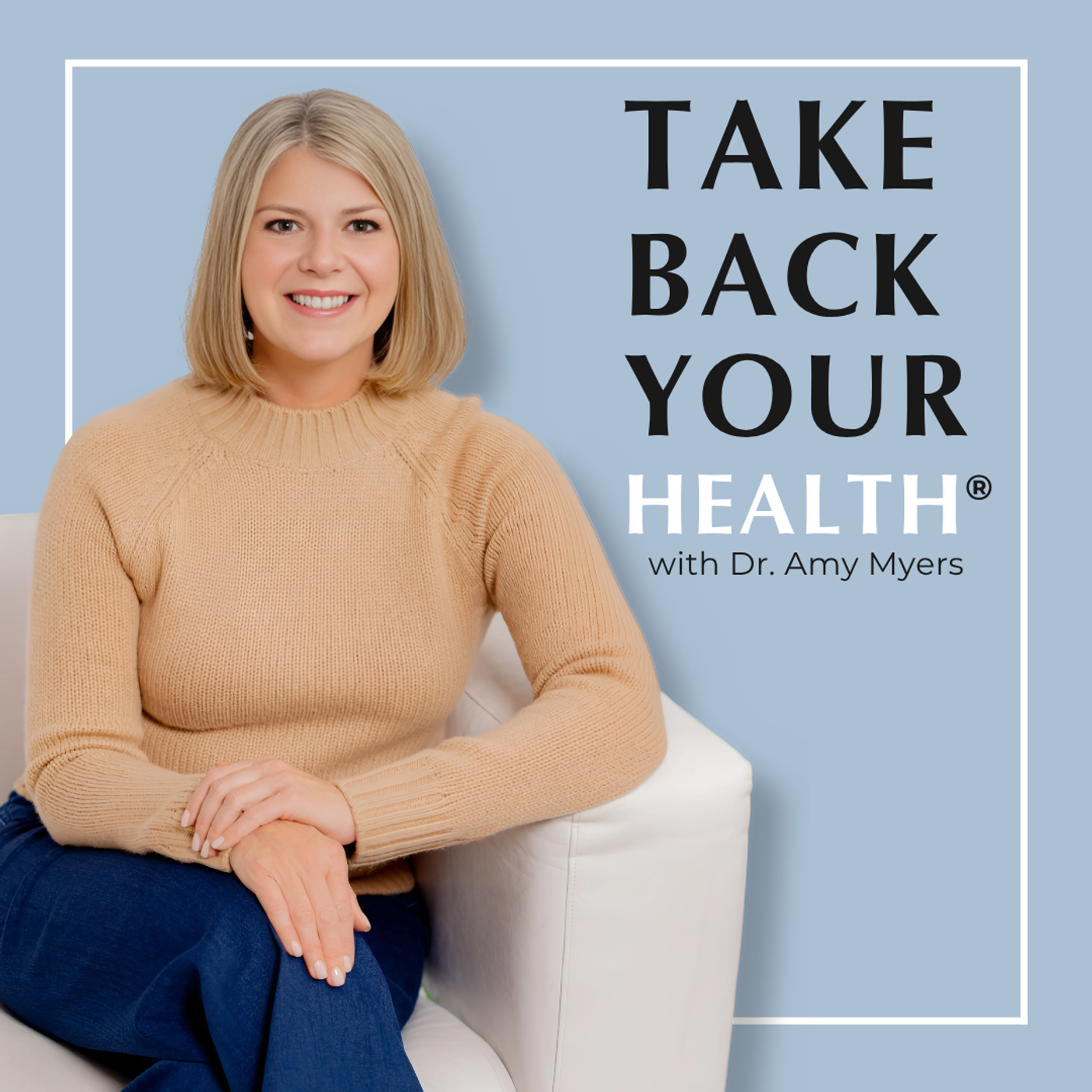
Are you on the path to optimal health and looking for the latest breakthroughs in longevity and functional medicine? After her own struggle with an autoimmune thyroid condition, Dr. Amy Myers has made it her life’s mission to expose the flaws of conventional medicine and help others avoid the pain that she endured. More than a Functional Medicine doctor, Dr. Amy Myers is a two-time New York Times bestselling author, wife, mother, and visionary founder and CEO behind the influential e-commerce wellness brand, Amy Myers MD®. Through this brand, and with a clear vision of creating a path to optimal health and wellness for all, Dr. Amy Myers is here to change the future of medicine and empower others to Take Back Their Health. This show will be a mix of solo episodes and conversations with world renowned leading experts on the topics of functional medicine, autoimmunity, gut health and empowering people to get to the root of their issues and offer solutions so they can thrive. This podcast uses the following third-party services for analysis: Chartable - https://chartable.com/privacy
Recent rankings
Latest chart positions across Apple Podcasts and Spotify rankings.
Apple Podcasts
🇨🇦 Canada - alternativeHealth
11/06/2026#99🇨🇦 Canada - alternativeHealth
23/10/2025#96🇨🇦 Canada - alternativeHealth
03/08/2025#95🇨🇦 Canada - alternativeHealth
22/02/2025#85🇨🇦 Canada - alternativeHealth
21/02/2025#49🇨🇦 Canada - alternativeHealth
30/12/2024#75🇨🇦 Canada - alternativeHealth
29/12/2024#47🇨🇦 Canada - alternativeHealth
28/12/2024#41🇨🇦 Canada - alternativeHealth
27/12/2024#32🇨🇦 Canada - alternativeHealth
24/12/2024#89
Spotify
No recent rankings available
Shared links between episodes and podcasts
Links found in episode descriptions and other podcasts that share them.
See all- https://jjvirgin.com/
587 shares
- https://drjoedispenza.com/
444 shares
- https://www.amymyersmd.com/
252 shares
- https://www.instagram.com/drjennsimmons
613 shares
- https://www.instagram.com/drnavazhabib
355 shares
- https://www.instagram.com/aaronalexander
234 shares
- https://www.facebook.com/DrJennSimmons
538 shares
- https://www.facebook.com/AmyMyersMD
235 shares
- https://www.facebook.com/DrJoshAxe/
58 shares
RSS feed quality and score
Technical evaluation of the podcast's RSS feed quality and structure.
See allScore global : 69%
Publication history
Monthly episode publishing history over the past years.
45. Love, Loss, and Faith: How Grief, a Cancer Scare, and a Spiritual Journey Transformed My Life
Season 2 · Episode 45
mardi 9 juin 2026 • Duration 52:03
Season 2 is here and I am starting it with the episode I have needed to record for a long time.
The last few years have been the hardest of my life. My sister died of triple negative breast cancer at 31, I faced my own cancer scares, I went through toxic mold exposure and PTSD, and somewhere in the middle of all of it, I found my way back to faith.
In this solo episode, I walk you through all of it honestly: the mammogram callback that started a two-year testing spiral, why I stopped circulating tumor cell screening, what EMDR did for my nervous system that nothing else could, and how Dr. Joe Dispenza meditations and clarigenic medicine gave me back a relationship with something greater than myself.
I also talk about my daughter Elle and the bullying that quietly dismantled her confidence, and the school change that gave her back to me in less than a week.
And I share what is coming: a revised The Autoimmune Solution™ with new sections on trauma, COVID, and long COVID; a new website; and the Dr. Myers Inner Circle.
I have missed you. I am back. And I have a lot left to do.
Resources and People Mentioned
- Episode # 22: The Devastating Effects of Toxic Mold Exposure with Ann Shippy, MD
- Episode #34: The Power of EMDR therapy: Overcoming Trauma and Anxiety with Ginger Poag
- Episode #13: The Smart Woman's Guide to Breast Cancer with Jenn Simmons, MD
- Episode #39: The Terrain Approach to Cancer: Dr. Nasha Winters on Revolutionizing Integrative Oncology
- Dr. Joe Dispenza meditations
- Prenuvo full-body MRI (no contrast). Use this link for $300 off.
- The Autoimmune Solution™
- My Instagram video on alternatives to mammograms.
- AMMD™️products: Estroprotect, Methylation Support, Detox Bundle (including Acetyl-Glutathione, Liver Support, Charcoal Binder Complete).
The Myers Way Episode 34: Hormones with Dr. Bethany Hays
mardi 1 avril 2014 • Duration 58:43
[Originally published on April 1st, 2014] Dr. Hays has practiced obstetrics and gynecology, and now Functional Medicine, over a career lasting 32 years. In describing the focus of her career at present – she said: “I went into medicine to help people be healthier, but what I found in medicine was a system that was as sick as the people it was treating. Ultimately I realized that my calling was to heal the system as well as the patients. I have three areas that I feel are important enough to put my time, energy and monetary resources into. They are:
- creating a model for integrative care that treats illness upstream before it requires drugs and surgery
- finding better ways to train physicians
- providing better end of life care, essentially, learning to die better
Her practice includes: comprehensive women’s health care, Functional Medicine, non-surgical gynecology and mine-body medicine. Dr. Hays is a founding member of True North.
- Can you explain perimenopause and menopause for us?
- Neither of us is an advocate of synthetic hormones, but what are your thoughts about using biodentical progesterone and testosterone during the perimenopausal phase?
- What’s the best delivery system for progesterone – oral, cream, sublingual troche? What are the advantages and disadvantages of each one?
- What’s the best way to test for hormone levels? Saliva, blood, urine? What are some of the disadvantages and advantages of each test?
- Let’s talk about 2/16 ratio. Can you explain this for us?
- What are symptoms of too much estrogen?
- Many people, myself included, have a problem with their methylation pathways. Can you tell us a little bit more about what we can do to improve our metabolism of estrogen? Are there those of us who need supplementation, even when we are eating a nutritious diet?
- Which tests should someone start with to determine how well they are methylating?
- Do you typically perform a urine test on every patient before you adjust their hormones?
- What are some of your go-to methods when it comes to treating the adrenals?
- Do you use adaptogenic herbs?
- Do you use a compounding pharmacy for the bio-identical hormone gels you use for your patients?
- Do you continue women on hormones after menopause when they are no longer having hot flash symptoms?
- Do you use bio-identical hormone replacement therapy for women with a history of cancer?
- Any recommendations for PCOS?
- Lab testing we talk about on the podcast can be found on Youtube here.
Connect with Dr. Myers:
Website: https://www.amymyersmd.com/
Newsletter: https://www.amymyersmd.com/ec/guide-to-leaky-gut
Facebook: https://www.facebook.com/AmyMyersMD
Instagram: https://www.instagram.com/amymyersmd/
Connect with Dr. Hays:
41. Healing Through Hardship: My Experience with Toxic Mold Exposure, PTSD, and a Cancer Scare
lundi 16 décembre 2024 • Duration 43:14
I am excited to say that I have wrapped up season 1 of my Take Back Your Health™ podcast. For the last episode of the season, I have finally recorded my first solo cast. This is not just any solo cast. This is so personal and vulnerable for me—I literally bared it all in this episode. I share what ups and downs I have been through over the last three years and, most importantly, a big health scare. I hold back tears (for the most part) as I describe almost being diagnosed with cancer and all of the very outside-the-box treatments I tried to finally get the all clear.
As the season comes to a close I want to thank you all for listening and let you know how very much I appreciate all of your support. I love what I do, and if I’m being honest, so much has transpired in my personal life. I’m finding it challenging to envision a season 2. It can be tough to publish a podcast episode every week. Lately, I’ve been reflecting on the effort it takes to work on my podcast, and weighing whether to keep going. So, I want to hear from you! If my podcast has helped you in any way and you would like to hear a season 2, please let me know. Regardless of what the future holds, I cannot thank you enough for joining me on this journey to Take Back Your Health™.
02:54 Challenges and Personal Struggles
03:15 Mold Issues and PTSD
07:09 Legal Battles and Separation
09:00 Health Scares and Family Support
12:57 Exploring Alternative Medicine 18:07 Spiritual Journeys and Healing
28:57 Reflections and Future Plans
36:06 Practical Health Advice
42:00 Cancer Recommendations
Episodes , books, & resources mentioned:
The Devastating Effects of Toxic Mold Exposure with Ann Shippy, MD: https://amymd.io/5
The Power of EMDR therapy: Overcoming Trauma and Anxiety with Ginger Poag: https://amymd.io/6
The Smart Woman's Guide to Breast Cancer (with Jenn Simmons, MD): https://amymd.io/7
From Prevention to Treatment: Inside Dr. Connealy’s Integrative Cancer Solutions: https://amymd.io/c
Autoimmune Diseases, Trauma, and Psychedelic Therapies with Dr. Sara Gottfried: https://amymd.io/8
The Terrain Approach to Cancer: Dr. Nasha Winters on Revolutionizing Integrative Oncology: https://amymd.io/9
The Cancer Revolution: A Groundbreaking Program to Reverse and Prevent Cancer by Dr. Leigh Erin Connealy: https://amymd.io/a
The Metabolic Approach to Cancer: Integrating Deep Nutrition, the Ketogenic Diet, and Nontoxic Bio-Individualized Therapies by Dr. Nasha Winters: https://amymd.io/b
Prenuvo: https://prenuvo.com/
37. How Habitat Optimizing Plasma Exchange Could Change Future Brain Health w/ Dr. David Haase
lundi 25 novembre 2024 • Duration 01:01:50
While cleaning up your closet can clear your mind, cleaning up your cellular habitat can change your life. This week, I'm joined by Dr. David Haase, who specializes in integrative holistic medicine and is the founder of the Maxwell Clinic in Tennessee. We sat down to discuss neurofeedback, diagnosing head injuries, and how plasma exchange (aka "an oil change" for cells) can help optimize your brain health and enhance your well-being in the long run.
In this episode, you'll discover:
- The Science of Brain Injuries: "When the brain gets injured, the blood vessels get damaged… You no longer have the amount of vascular supply to the neurons," says Dr. Haase, adding that around 80% of people suffer from a "meaningful head injury." Fortunately, an isolated injury doesn't necessarily mean your entire brain is hurt.
- What Is Neurofeedback: "Neurofeedback is a way of retraining the brain to be more electrically efficient," says Dr. Haase. This brain training, which involves measuring the electricity coming off your scalp, shows how your brain reacts to certain stimuli. This feedback can help train the brain to adjust its learning pattern naturally, thus improving focus, mood, migraines, and seizures.
- Why Habitat-Optimizing Plasma Exchange Is a Game Changer: Dr. Haase is a pioneer of Habitat-Optimizing Plasma Exchange (HOPE), an intravenous treatment that cleans and replaces your plasma to improve your cellular habitat. "This process of 'oil change' for the blood decreases the rate at which Alzheimer's proceeds by over 60%," he says of the highly individualized method.
05:46 The Role of Brain Function in Health
15:44 Understanding Neurofeedback
24:06 Diagnosing Brain Injuries and Their Impact
28:25 The HOPE Program and Cellular Health
30:23 Understanding Toxins and Nutrient Deficiencies 30:35 Aphoresis: The Oil Change for the Body
32:12 Mechanism of Action: Optimizing the Habitat
33:55 Clinical Applications and Success Stories
36:16 Procedure Details and Safety Measures
37:33 Plasma Exchange for Various Conditions
50:39 Insurance and Cost Considerations
Connect with Dr. Myers:
Website: https://www.amymyersmd.com/
Newsletter: https://www.amymyersmd.com/ec/guide-to-leaky-gut
Facebook: https://www.facebook.com/AmyMyersMD
Instagram: https://www.instagram.com/amymyersmd/
Connect with Dr. Haase:
Website: https://maxwellclinic.com/
Phone number of the Maxwell Clinic: (615) 3700091
Instagram: https://www.instagram.com/maxwellclinic/
Facebook: https://www.facebook.com/maxwellclinic
YouTube: https://www.youtube.com/channel/UCQq0FWvHt95ItFuVvpfMvbA
The Myers Way Episode 21: Your Facebook Questions Answered
lundi 9 septembre 2013 • Duration 32:31
[Originally published on September 9, 2013]
- Will you treat me via Skype in the UK?
- Is it okay to have wheat and barley grass in your diet if you’re gluten sensitive or celiac?
- Would you recommend the iodine radiation procedure for a person with hyperthyroidism?
- How do I rid my body of Candida?
- What probiotic do you recommend for kids?
- How do you convince the rest of the medical establishment of your way of practicing is the only one that addresses health and not disease?
- What do you think of bio-identical hormones for women?
- How do I know that my gut is repaired?
- What everyday supplements do you recommend everyone should be taking, including teens?
- Does my one cup of organic coffee per day prevent my leaky gut from healing?
- Do you eat corn chips (organic, non-GMO), or should I stop feeding them to my girls?
- What treatment would you recommend to prevent dementia and Alzheimer’s?
- I want to do an elimination diet, but am worried that I won’t be able to stick to it!
- How can you help ensure success of following through on this, and how long will it take?
- What are your thoughts on the blood type diet? Is it important to eat a certain diet based on blood type?
- How do you handle having both diabetes and gluten intolerance without messing one of them up worse?
- Why is it so hard to find help on mold exposure?
- How do you recommend treating PCOS naturally?
- How to stop eating sugar?
- If I was advised to stay away from milk, does peach keifer count as milk?
- If I was advised to eat gluten free, does oatmeal count as gluten?
- I will be traveling abroad soon (Europe, Middle East, and Southeast Asia). The travel guides are recommending vaccinations. What are your tips and recommendations on vaccinations, staying healthy, and maintaining a gluten free diet?
- Dr. Myers, I have you heard you say before that the gut is not something that is really addressed in medical school. I found this to be intriguing. Can you please elaborate on this? Why do doctors come out of medical school with little to no training on the gut?
- Best source of folate, not folic acid…how do I know the difference on the label? Nutritionally, what is the first thing you usually ingest after waking in the mornings?
- How are you?
Connect with Dr. Myers:
Website: https://www.amymyersmd.com/
Newsletter: https://www.amymyersmd.com/ec/guide-to-leaky-gut
Facebook: https://www.facebook.com/AmyMyersMD
Instagram: https://www.instagram.com/amymyersmd/
33. Rewire Your Brain for Happiness: Mindfulness & Self-Compassion with Dr. Shauna Shapiro
lundi 7 octobre 2024 • Duration 52:03
Being kind and self-compassionate may be the key to a more fulfilling life. So, how can you make it a constant in your life? This week, I'm joined by Dr. Shauna Shapiro, a clinical psychologist and internationally recognized expert in mindfulness and self-compassion. We sat down to discuss the true meaning of mindfulness, what being kind does to your brain, and how to successfully introduce meditation to your daily routine.
In this episode, you'll discover:
- Kindness Shifts Your Neurochemistry: Practicing self-compassion and kindness greatly benefits your mental fitness. According to Dr. Shapiro, being kind to yourself "literally turns on the learning centers of the brain." This signals the brain to release oxytocin, which helps to settle the nervous system, and dopamine, which "is this neuromodulator of motivation and learning."
- Mindfulness vs Meditation: While sometimes used interchangeably, mindfulness and meditation are not the same. "Mindfulness is a way of being," says Dr. Shapiro, adding that to be mindful is to be present in the moment and with yourself. "Meditation is the exercise."
- Why Progress Matters More Than Perfection: In short, perfection is not attainable, sustainable, or something to strive for. "Perfection is the antithesis of evolution. Perfection means I'm done. That's not the goal," shares Dr. Shapiro. "And so when I make a mistake, instead of beating myself up, it's like, how can I learn? How can I grow? And you're cheering for yourself instead of kicking yourself when you're already down."
- How to Start Your Meditation Journey: Instead of setting a lofty goal, start with meditating five minutes a day for five days, morning or night. It may feel difficult in the beginning, but the benefits are worth it, says Dr. Shapiro: "It shifts our relationship with ourselves, our relationship with the world, how we perceive things."
04:40 Defining Mindfulness
06:55 Mindfulness vs. Meditation
10:18 Shauna's Monastery Experience
14:06 The Science Behind Kindness
23:42 Practical Tips for Mindfulness
26:11 Basic Mindfulness Practices and Resources
28:11 The Impact of Mindfulness on Daily Life
29:11 Mindfulness in Parenting
30:20 The Role of Intentions in Mindfulness
37:11 Empathy vs. Compassion
41:12 Success Stories and Transformations
Connect with Dr. Myers:
Website: https://www.amymyersmd.com/
Newsletter: https://www.amymyersmd.com/ec/guide-to-leaky-gut
Facebook: https://www.facebook.com/AmyMyersMD
Instagram: https://www.instagram.com/amymyersmd/
Connect with Dr. Shapiro:
Website: https://drshaunashapiro.com/
Instagram: https://www.instagram.com/drshaunashapiro/
Facebook: https://www.facebook.com/DrShaunaShapiro/
YouTube: https://bit.ly/4gUC8cX
35. Medicinal Fungi: The Key to Reducing Inflammation and Boosting Immunity with Dr. Robert Rountree
lundi 21 octobre 2024 • Duration 58:23
What you eat and drink determines how you feel—and can inform your ability to develop or ward off chronic disease. This week, I'm joined by Dr. Robert Rountree, a leading expert in integrative and personalized medicine. We sat down to discuss how an inflammatory diet is linked to chronic disease, the health benefits of medicinal fungi, and which types you should start incorporating into your daily wellness routine.
In this episode, you'll discover:
- The Role of Inflammation in Chronic Diseases: If you regularly consume inflammatory foods and beverages (think: high-sugar, high-carb, and overly processed), you run the risk of setting inflammation in the body in motion, says Dr. Rountree, adding, "The problem is, it doesn't always turn off." And inflammation is the precursor to virtually all chronic diseases.
- The Power of Medicinal Fungi: Training your immune system is possible, according to Dr. Rountree, and medicinal fungi can help strengthen it to combat a wide range of infections. "The first rule is to eat as many of the ones you like as you can," he shares, citing lion's mane, shiitake, oyster, and king trumpet as the best mushrooms to cook with.
- Mushroom Varieties and Their Benefits: Different mushrooms have different benefits. Cordyceps can help with adrenal and kidney support, reishi is known as "the elixir of immortality" can help support stamina, while coriolus (also known as turkey tail) can help combat cancer. Go ahead and have your pick of the harvest—you can't go wrong with any of them.
09:55 The Role of Inflammation in Chronic Diseases
13:51 Understanding Inflammation and Diet
24:47 Solutions: Mushrooms and Medicinal Fungi
30:51 Understanding Trained Immunity
31:06 Clinical Insights on S. Boulardii
32:17 Medicinal Mushrooms and Beta Glucans
33:53 Mushroom Varieties and Their Benefits
38:16 Cordyceps: The Ancient Remedy
39:55 Reishi and Other Medicinal Mushrooms
49:35 Immune Plasticity and Nutritional Support
Connect with Dr. Myers:
Website: https://www.amymyersmd.com/
Newsletter: https://www.amymyersmd.com/ec/guide-to-leaky-gut
Facebook: https://www.facebook.com/AmyMyersMD
Instagram: https://www.instagram.com/amymyersmd/
Connect with Dr. Rountree:
Linkedin: https://www.linkedin.com/in/bob-rountree-md-2802198/
Institute for Functional Medicine (IFM): https://www.ifm.org/
You may also find Dr. Rountree at his Boulder Wellcare clinic in Colorado (USA).
34. The Power of EMDR therapy: Overcoming Trauma and Anxiety with Ginger Poag
lundi 14 octobre 2024 • Duration 48:23
When it comes to experiencing a traumatic event, overcoming its rippling effects can feel overwhelming—like there's no end in sight. EMDR is here to change that. This week, I'm joined by Ginger Poag, a clinical psychotherapist and trauma counselor specializing in EMDR therapy. We sat down to discuss how EMDR works, the effects this modality has on the brain, and why those with anxiety, trauma, and PTSD may benefit the most from it.
In this episode, you'll discover:
- What Is EMDR: An acronym for eye movement desensitization and reprocessing, EMDR therapy "allows us to get into the limbic system of the brain where traumas are stored,” shares Poag.
- How EMDR Works: EMDR helps you reprocess traumatic events through bilateral movements using eye movements, hand tappers, or sound. This is important because "on a subconscious level, what we do today is being affected by the trauma still stored and unprocessed," says Poag. Introducing a positive belief ("I can overcome anything") can also be done during your session.
- EMDR vs Talk Therapy: While talk therapy is always an option, Poag says it can feel limiting to someone with a history of trauma. "I feel like there's a form of narrative therapy where you keep telling your story over and over again, and it can be more traumatizing to the client," she shares, adding, "What I like about EMDR so much is that I don’t need to know every little detail. All of the work is happening in your brain."
- Ketamine Can Help Access Emotions: Reserved for people who are having a hard time accessing certain memories or those hitting a plateau, using a small dose of ketamine—administered by a clinician—can prove helpful during EMDR sessions. "It's been so effective, and we're able to process through so much at an even quicker rate with the ketamine," says Poag.
02:17 Understanding Trauma and EMDR
04:08 Types of Trauma and Their Impact
09:50 Mechanisms Behind EMDR
11:35 EMDR in Practice: Methods and Effectiveness
13:02 Personal Testimony: Overcoming PTSD
20:00 Comparing EMDR with Traditional Talk Therapy
25:06 EMDR for Couples and Recent Traumatic Events
26:21 Exploring Ketamine in EMDR Therapy
28:43 EMDR Session Timelines and Effectiveness
34:26 EMDR for Children and Young Patients
42:08 Intensive EMDR Sessions and Retreats
Connect with Dr. Myers:
Website: https://www.amymyersmd.com/
Newsletter: https://www.amymyersmd.com/ec/guide-to-leaky-gut
Facebook: https://www.facebook.com/AmyMyersMD
Instagram: https://www.instagram.com/amymyersmd/
Connect with Ginger Poag:
Website: https://www.columbiaemdr.com/
Emdria website: https://www.emdria.org/find-an-emdr-therapist/
EMDR Therapy Intensives:
https://www.columbiaemdr.com/emdr-therapy-intensives
EMDR Intensive Retreat Costa Rica:
32. Trauma & Mitochondria: Reversing Chronic Illness at the Cellular Level with Dr. Susan Blum
lundi 30 septembre 2024 • Duration 01:03:45
Stress and trauma will always hold power over you and your overall health—unless you face the problem at the cellular level. This week, I'm joined by Dr. Susan Blum, a board-certified physician specializing in preventative medicine, functional medicine, and integrative medicine. We sat down to discuss the critical role of mitochondria on your health, the impact of environmental toxins, infections, and trauma on these cellular powerhouses, and integrative approaches to healing.
In this episode, you'll discover:
- What Exactly Are Mitochondria: As vital organelles found in cells—most notably in the brain, muscles, and heart—mitochondria are "the little furnace inside every cell that makes your energy called ATP," describes Dr. Blum.
- The Link Between Trauma and Mitochondrial Health: Stress and trauma can cause the cell to enter the cell danger response, says Dr. Blum. This, in turn, damages the mitochondria by blocking their ability to function properly. This can result in brain fog, fatigue, and even chronic illness.
- How to Treat the Root Cause: Dr. Blum stresses the importance of “cleaning up your environment“ as your first step, which can include testing your home for health-disrupting mold or figuring out what triggers you physically and emotionally. Next steps may include going to therapy, filtering your water, and prioritizing deep, restorative sleep since "your mitochondria repair at night," says Dr. Blum.
- The Healing Power of Ketamine: Under the supervision of a trained professional, IV ketamine can safely take the healing process to the next level when paired with therapy. "Most people's experience is there's this deep meditation space of quiet behind their thoughts without needing to meditate almost," shares Dr. Blum.
02:13 Dr. Blum's Journey into Functional Medicine
04:06 The Impact of Trauma and Stress
17:38 The Role of Mitochondria in Health
21:26 Cell Danger Response and Healing
31:18 Introduction to Mitochondrial Damage and Testing 31:25 Understanding the MitoSwab Test
33:11 Targeted Mitochondrial Therapies
42:37 Emotional Wellness and Ketamine Therapy
56:15 Preventative Measures for Mitochondrial Health
Connect with Dr. Myers:
Website: https://www.amymyersmd.com/
Newsletter: https://www.amymyersmd.com/ec/guide-to-leaky-gut
Facebook: https://www.facebook.com/AmyMyersMD
Instagram: https://www.instagram.com/amymyersmd/
Connect with Dr. Blum:
Website: https://blumcenterforhealth.com
Emotional Wellness Program:
https://blumcenterforhealth.com/emotional-wellness-program/
Instagram: https://www.instagram.com/drsusanblum/
Facebook: https://www.facebook.com/blumcenterforhealth
YouTube: https://www.youtube.com/drsusanblum
13. The Smart Woman's Guide to Breast Cancer (with Jenn Simmons, MD)
lundi 20 mai 2024 • Duration 01:16:47
This week I welcomed Jenn Simmons, MD on my show to talk about breast health. Drawing from her extensive experience as an integrative oncologist, breast surgeon, and founder of PerfeQTion Imaging, Dr. Jenn shares insights from her new book, The Smart Woman’s Guide to Breast Cancer, which was released earlier this month.
Join us as we explore the importance of addressing root causes of cancer, the role of nutrition and lifestyle choices in breast health, and the revolutionary technology behind PerfeQTion Imaging, which promises to redefine breast cancer screening. Dr. Jenn shares empathetic and practical advice for navigating a breast cancer diagnosis, emphasizing the significance of creating a healing environment through diet, lifestyle changes, and toxin avoidance.
Dr. Jenn Simmons started her professional career as Philadelphia's first fellowship-trained breast surgeon and spent 17 years as Philadelphia's top breast surgeon. Her own illness led her to discover functional medicine. So enamored with the concept of creating health rather than killing disease, she left traditional medicine in 2019 and founded Real Health MD to help women along their breast cancer journey truly heal.
Tune in to hear Dr. Jenn share her passion for transforming breast cancer care, honoring the memory of her cousin Linda Creed, and advocating for a holistic approach to breast health. Whether you’re a survivor, a caregiver, or simply seeking to prioritize your well-being, together we share invaluable insights and inspiration for embracing a proactive approach to breast health.
00:00 Understanding Breast Cancer: A New Perspective 00:41 Meet Dr. Jenn Simmons: From Traditional to Functional Medicine
01:47 The Personal Journey of Dr. Simmons
05:29 The Shift to Functional Medicine and Its Impact
08:45 Exploring the Real Causes of Breast Cancer
18:37 The Controversy of Breast Cancer Screening and Diagnosis
21:23 Breaking Down Breast Cancer Types and Misconceptions
31:12 The Debate on Breast Cancer Screening Methods 41:54 Exploring Alternative Breast Cancer Screening Methods
44:20 The Revolutionary QT Imaging for Breast Cancer 46:16 Empowering Self-Examination and Screening Choices 50:56 Navigating Breast Cancer Diagnosis and Treatment Options
51:16 The Role of Diet and Lifestyle in Breast Cancer Recovery
01:01:07 Integrating Conventional and Functional Medicine Approaches
01:11:43 The Future of Cancer Treatment and the Importance of Hormone Replacement
01:16:26 Final Thoughts: Taking Control of Your Health
Connect with Amy Myers, MD
Website: https://www.amymyersmd.com/
Instagram: https://www.instagram.com/dramymyers
YouTube: https://www.youtube.com/@AmyMyersMD/featured
Newsletter: https://www.amymyersmd.com/ec/guide-to-leaky-gut
Facebook: https://www.facebook.com/AmyMyersMD
Connect with Jenn Simmons, MD
Website: www.realhealthmd.com
Instagram: https://www.instagram.com/drjennsimmons/
Facebook: https://www.facebook.com/DrJennSimmons
Related Shows Based on Content Similarities