Inside School Food – Details, episodes & analysis
Podcast details
Technical and general information from the podcast's RSS feed.
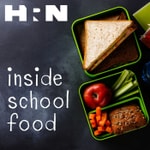
Inside School Food
Heritage Radio Network
Frequency: 1 episode/13d. Total Eps: 72

Recent rankings
Latest chart positions across Apple Podcasts and Spotify rankings.
Apple Podcasts
🇨🇦 Canada - food
31/01/2025#86
Spotify
No recent rankings available
Shared links between episodes and podcasts
Links found in episode descriptions and other podcasts that share them.
See all- http://www.WholeFoodsMarket.com
115 shares
- http://www.CainFive.com
112 shares

- http://www.whiteoakpastures.com
102 shares

RSS feed quality and score
Technical evaluation of the podcast's RSS feed quality and structure.
See allScore global : 63%
Publication history
Monthly episode publishing history over the past years.
Episode 72: In Michigan, "10 Cents a Meal" For Farm To School
Episode 72
lundi 17 octobre 2016 • Duration 32:39
What can you get for a dime? Add it to the federal reimbursement for a school meal, and it buys a lot. Use it to support spending on farm to school, and it generates many more times its value in local economic development. That's the thinking behind Michigan's "10 Cents a Meal" pilot, which directs millions of dimes into locavore salad bars, entrees, and snacks for children in 16 districts. Modeled after trailblazing farm to school policy in Oregon, the program received state funding for the first time this year. At just $250K, it seems a small start. But its crafters, and its champions in the state Senate, are planning on big—statewide in time, just like in Oregon.
Episode 71: Smart Snacks and Sneaky Snacks
Episode 71
lundi 26 septembre 2016 • Duration 34:39
What's so smart about those USDA-regulated "Smart Snacks" sold in school vending machines? More whole grain, and lowered sugar, fat, and calories—even if they're Cheetos, Doritos, or Pop Tarts. These reformulated items are less unhealthy, sure, but new research from the Rudd Center for Food Policy and Obesity proposes that their "copycat" look and packaging is designed to maintain brand loyalty outside of school, where the original versions are heavily marketed to teens. The strategy may be working—and backfiring on school food service when the presence of perceived junk food undermines parent trust.
Episode 62: Salad Bar Strategies: Learning From the Best in Riverside, CA
Episode 62
lundi 8 février 2016 • Duration 35:50
Today we re-visit a June 2014 episode with the salad bar gurus at Riverside Unified School District, in southern California. With new technical support for salad bars in schools on the way in CNR 2016, now is the time to take a close second look at a pioneering and celebrated program that still works as safely, profitably, and deliciously as it ever did. “Our attention to detail is what makes us different,” says Chef Ryan Douglas. Learn just what that means—and catch up on what RUSD has been up to since we last checked in.
Episode 61: In Maryland, “boot camp” for food service workers
Episode 61
lundi 25 janvier 2016 • Duration 39:19
As we await resolution on CNR 2016, one thing is certain: there will be new technical assistance grants for districts seeking to introduce more freshly prepared food in their cafeterias. Today, we update a Summer 2014 episode about an exemplary “train the trainer” program run by the Maryland Department of Education. Launched in 2011, its goal is reach every food service worker in the state by 2020 with a hands-on kitchen curriculum that restores pride in craft to their profession.
Episode 60: Trendspotting 2016 with Dayle Hayes
Episode 60
lundi 18 janvier 2016 • Duration 38:17
For the first time in the history of the USDA school meals programs, success in feeding kids (adolescents especially) is regarded as hip. K-12 nutrition providers, from the people who grow the food to those who serve it, are riding the national tide of food service trends that emphasize vivid, authentic flavor. “Cool ideas are going mainstream really quickly,” observes School Meals that Rock’s Dayle Hayes, who joins us today to review recent innovations—Asian street foods, mac-and-cheese bars, shaker salads, and much more—that we’ll be seeing all over in 2016.
Photo courtesy of Whitson’s School Nutrition
“Young people… are little foodies in a lot of ways. They have expectations because of what they’re experiencing in the world at large. They have an expectation of flavors.” –Dayle Hayes on Inside School Food
Episode 59: Lunch Lessons from Japan
Episode 59
lundi 14 décembre 2015 • Duration 45:57
Kyushoku, or elementary school lunch, is a cherished tradition that embodies values central to Japanese culture: gratitude, cooperation, courtesy, cleanliness, reverence for nature, and pride of place. Much more than a meal, it’s a critical learning period at the heart of the school day. You’ll find it depicted in loving detail in a wildly popular short film by today’s guest, Atsuko Quirk. Americans might take away many lessons from what they see there, she says. But the Japanese, as they confront need and hunger in a shifting socioeconomic landscape, have much to learn from us in turn.
Other films by Atsuko Quirk on Vimeo
Related Inside School Food episodes:
“School lunch around the world: A 30-minute tour” (August 11, 2014)
“Sortin’ it out: Composting comes to NYC schools” (July 13, 2015)
Episode 58: Dora Rivas Remembers
Episode 58
lundi 7 décembre 2015 • Duration 52:49
As the year draws to a close, Dora Rivas joins us to look back and reflect—not just on 2015, but a half century of service as a dietitian and school food service director. Last August, when she left her post as Executive Director of food service for Dallas ISD, Dora was an iconic figure in K-12 nutrition, recognized nationally as an early adopter of well-defined public health goals for schools. But her story is about private goals, too, and their roots in family and a career launched in a South Texas migrant health clinic.
Episode 57: Reformulation Revealed
Episode 57
lundi 23 novembre 2015 • Duration 53:27
For processors of foods for the K-12 market, new USDA nutrition requirements arrived at the same time as increased public scrutiny of unfamiliar, often unpronounceable additives. Moving towards “clean label” while simultaneously lowering sodium and introducing whole grains is no problem when money is no object. But when constrained by school budgets, how do manufacturers deliver on all fronts? Today’s conversation with representatives from the nation’s largest suppliers in two key categories—tomato products, and rolls, pizza crusts, and flatbreads—talk about R&D successes to date, and the possibilities that lie ahead.
“Tomato paste delivers a lot of nutrition for a small amount of product.” [13:00] – David Halt
Episode 56: Better School Food: Borrowed, Hacked, and Shared
Episode 56
lundi 9 novembre 2015 • Duration 39:53
Today we venture into new territory with the help of Chef Lisa Feldman, who is Director of Culinary Services for Sodexo USA. As a major provider of school meals (413 districts, two million meals daily), it’s significant and influential in ways you may never have imagined. The company’s ambitious strategies to introduce ever-fresher, more wholesome, and more appealing food on a mass scale are freely shared throughout the K-12 nutrition industry. “Nothing is proprietary,” says Feldman, who prizes creative collaboration not just with processors and trade groups, but also self-ops and even Sodexo competitors. “When districts are all doing their own thing, it’s more expensive.”
Additional Resources
“Sodexo finding whole grain success in school food service,” Food Business News, June 25, 2015
“Lisa Feldman’s Yogurt and White Bean ‘Ranch’ Dressing,” New York Times, June 9, 2014
Culinary Institute of America’s “Healthy Flavors, Healthy Kids” website
Episode 55: In West New York, NJ, The Kids Eat It All
Episode 55
lundi 2 novembre 2015 • Duration 48:24
New Jersey is called the “Garden State” out of pride in an agricultural heritage that dates back hundreds of years. But in West New York, NJ, in the heart of the most densely populated area in the nation, the farms to the south were long unknown to low-income children growing up across the river from Manhattan. Today, that’s changed. The school menus and classroom curricula follow a locavore, culture-changing agenda that connects urban students to the land and the enjoyment of a wide variety of fresh-picked produce. In the middle school, students who began eating this way in kindergarten relish even the turnips and beets. “They trust us,” says Food Service Director Sal Valenza. “They’re not scared—they like to try new things.”
Related Shows Based on Content Similarities