The MicroCast – Détails, épisodes et analyse
Détails du podcast
Informations techniques et générales issues du flux RSS du podcast.
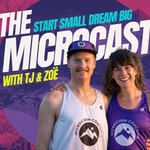

The Microcosm Coaching Podcast helps endurance athletes—whether you're a road runner, trail runner, or training for your first marathon or 100-miler—get more out of their training with evidence-based advice, effort-based coaching, and expert mindset support. Hosted by professional coaches and athletes, each episode explores practical strategies for race prep, running recovery, mental performance, and sustainable training. If you want to build fitness, avoid burnout, and find more joy in running, you're in the right place.
Site
RSS
Apple
Données mises à jour le 02/10/2026
Classements récents
Dernières positions dans les classements Apple Podcasts et Spotify.
Liens partagés entre épisodes et podcasts
Liens présents dans les descriptions d'épisodes et autres podcasts les utilisant également.
Voir plusQualité et score du flux RSS
Évaluation technique de la qualité et de la structure du flux RSS.
Voir plusHistorique des publications
Répartition mensuelle des publications d'épisodes au fil des années.
© My Podcast Data · Projet indépendant · Données issues d'Apple & Spotify