That AuDHD Teacher – Détails, épisodes et analyse
Détails du podcast
Informations techniques et générales issues du flux RSS du podcast.
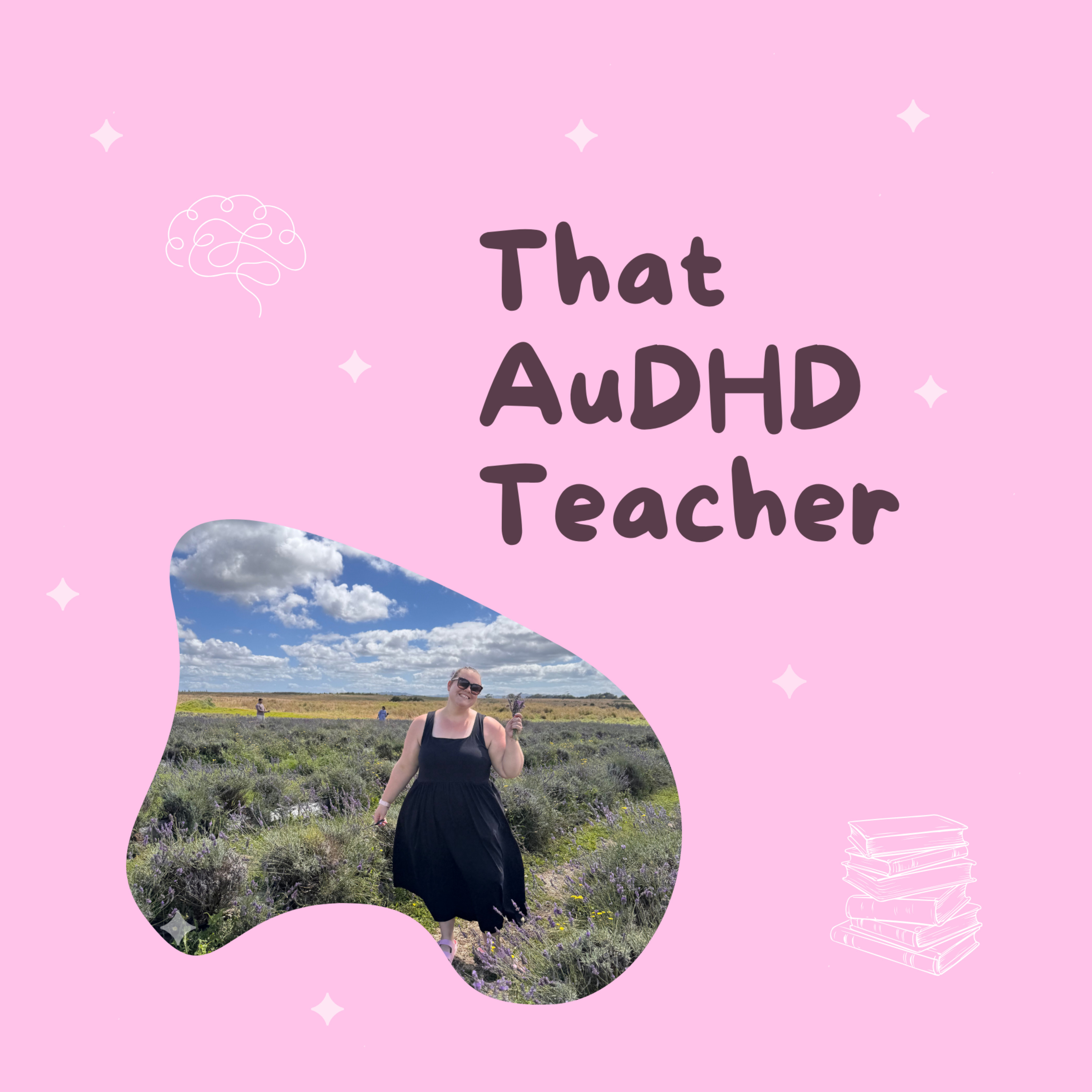

Welcome to That AuDHD Teacher, a podcast about making sense of life through the lens of a late AuDHD diagnosis. I'm Emily, an early childhood teacher and someone who spent years wondering why life always seemed a little harder than it looked for everyone else. After being diagnosed with Autism and ADHD as an adult, so many pieces of my life started to make sense. Each episode is an honest conversation about neurodivergence, mental wellbeing, teaching, and the everyday experiences that often go unseen. So lets get comfortable and make sense of this beautifully complicated brain together.
Site
RSS
Apple
Données mises à jour le 25/10/2026
Classements récents
Dernières positions dans les classements Apple Podcasts et Spotify.
Liens partagés entre épisodes et podcasts
Liens présents dans les descriptions d'épisodes et autres podcasts les utilisant également.
Voir plusQualité et score du flux RSS
Évaluation technique de la qualité et de la structure du flux RSS.
Voir plusHistorique des publications
Répartition mensuelle des publications d'épisodes au fil des années.
© My Podcast Data · Projet indépendant · Données issues d'Apple & Spotify