Women Mastering Midlife is the podcast for women in their 40s and 50s who want real answers about what is happening inside their bodies, and the confidence to advocate for themselves in every room they walk into.
Hosted by Victoria Byrd, a licensed pharmacist, certified menopause practitioner, and integrative health and wellness coach, this show bridges the gap between clinical medicine and lived experience. Victoria brings 20 years of pharmacy training alongside a deep commitment to integrative, evidence-based care for women navigating perimenopause, menopause, and the full arc of midlife transition.
Each week, you will hear expert conversations and honest discussions covering:
Hormones and HRT — what the evidence actually says about estrogen, progesterone, testosterone, and the pharmacology of hormone therapy options
Brain fog, cognition, and mood — the neuroscience of menopause and why your thinking and emotional life are changing
Metabolism, weight, and body composition — how shifting hormones affect insulin sensitivity, cortisol, and fat distribution, and what to do about it with nutrition and movement that respects your midlife body
Sleep — why it breaks down during perimenopause, what restores it, and why it matters for everything else
Gut health and the estrobolome — the emerging science connecting your microbiome to hormone metabolism and inflammation
Bone, cardiovascular, and long-term health — the conditions that accelerate after menopause, and the prevention strategies that actually make a difference
Stress, nervous system regulation, and burnout — why high-achieving women in midlife are running on empty, and what sustainable recovery looks like
Supplements, peptides, and emerging therapies — clear, unbiased clinical context so you can evaluate your options with a discerning eye
Identity, relationships, and purpose — because midlife is not only a physiological transition; it is a reorientation of how you see yourself and what you want
Guests have included functional medicine physicians, nurse practitioners, registered dietitians, strength coaches, pharmacists, psychologists, and women who are simply in the thick of it, offering perspectives as varied as the experience of midlife itself.
This podcast does not traffic in fear, wellness hype, or quick fixes. The goal is for you to leave every episode feeling more informed, less alone, and more capable of making decisions that are right for your body, your history, and your life.
Women Mastering Midlife is proud to be ranked in the Goodpods Top 100 in both Medicine and Health & Fitness. New episodes release biweekly.
Subscribe on Apple Podcasts, Spotify, or wherever you listen. Visit womenmasteringmidlife.com for free guides, coaching, and community.
This podcast is for educational purposes only and does not constitute personalized medical advice. Always consult a qualified healthcare professional for decisions related to your health.
Site
RSS
Apple
Data updated on 22/08/2026
Recent rankings
Latest chart positions across Apple Podcasts and Spotify rankings.
Shared links between episodes and podcasts
Links found in episode descriptions and other podcasts that share them.
Discover shows related to Women Mastering Midlife, based on actual content similarities. Explore podcasts with similar topics, themes, and formats, backed by real data.
111. Back to Pharmacy School at 46: A Solo Episode on Career Reinvention in Midlife
Monday, August 17, 2026 • Duration 31:11
In this solo episode, Victoria steps away from interviews to share something personal: at 46, after 15 years out of the workforce, she is heading back to school for a non-traditional PharmD. She talks openly about how a change in her marriage made returning to work a financial necessity rather than a choice, what it has felt like to job hunt after over a decade at home, and why credentialing has become the missing piece between her pharmacy license and the clinical women's health practice she has been building through Women Mastering Midlife.
This one is unscripted and a little winding by design. Vicky wanted to document the process in real time, doubts included, in case it helps someone else who is standing at the edge of their own reinvention.
In This Episode
Why Victoria is enrolling in a non-traditional, asynchronous PharmD program for already-licensed pharmacists
The financial and personal circumstances that made returning to work necessary at this stage of life
What job searching looked like after 15 years out of an employer setting, including the ageism and sexism she encountered along the way
Why she leaned into health coaching and integrative wellness rather than practicing pharmacy after stepping away in 2011
How her path through the Institute for Integrative Nutrition and the Integrative Women's Health Institute shaped her coaching philosophy, particularly around behavior change and disordered eating patterns
What credentialing could open up: working alongside cash-pay physicians, supporting between-visit care, and building toward a clinical women's health pharmacist role
How two decades of guideline changes, new technology, and a completely different testing and onboarding process make this a different kind of pharmacy school than the one she left
Balancing school with parenting two daughters, ages 15 and 17, without giving up the availability she has valued as a stay-at-home parent
An update on her upcoming book, Women Mastering Midlife, which blends podcast guest wisdom with her own experience and closes with guided reflection questions
Why she is choosing to see this stage as building on who she already is rather than starting over or reinventing herself
A Line Worth Sitting With
Victoria reflects that this chapter is not a rebirth or a reinvention. It is simply the next version of who she already is, built on the same intelligence that got her through pharmacy school the first time.
This episode includes personal reflections on divorce, financial pressure, and career transition. It is not intended as financial, legal, or medical advice. If you are navigating a similar transition, individual circumstances vary, and it may help to talk it through with a trusted financial advisor, attorney, or healthcare provider.
Let's Keep the Conversation Going
If this episode resonated with you, please rate, review, and share it with someone who needs to hear it. Subscribe to Women Mastering Midlife on your favorite podcast platform to receive weekly conversations that help you navigate perimenopause, menopause, and midlife health with clarity and confidence.
Book a FREE1:1 discovery call to learn more about coaching programs and courses.
Disclaimer
This podcast is for entertainment, educational, and informational purposes only. The hosts, guests, and experts featured are not your personal healthcare providers or advisors. The content should not be considered as professional, personalized medical, psychological, or prescriptive advice.
Always consult qualified professionals such as your physician, therapist, pharmacist, or coach for specific concerns and decisions related to your health or lifestyle. Women Mastering Midlife is not responsible for any undesired outcomes resulting from actions taken based on the content of this podcast.
110. Menopause and Eye Health: Dry Eye, Reading Glasses, and Glaucoma Risk with Dr. Neda Gioia
Monday, August 3, 2026 • Duration 53:51
Most of us associate menopause with hot flashes, sleep disruption, and mood changes, but rarely with our eyes. If you've noticed your vision blurring at the edges, your eyes feeling drier than they used to, or found yourself holding the menu a little further away, there may be a real physiological explanation, and it's one that almost never comes up in menopause care.
In this episode, I'm joined by Dr. Neda Gioia, OD, CNS, FMCP, an optometrist and certified nutrition specialist who founded Integrative Vision, a practice built around treating eye health through a whole-body lens. She is a fellow and former president of the Ocular Wellness and Nutrition Society and trained in functional medicine through the Institute for Functional Medicine. Dr. Gioia brings both a research background and personal experience to this conversation. Like many of us, she has navigated her own perimenopause transition while working to bring more awareness to a topic she feels has been left out of the menopause conversation for far too long.
We talk through what's actually happening with dry eye in midlife, the role estrogen, progesterone, and testosterone play in different parts of the eye, why so many women suddenly need reading glasses in their 40s, and what the current evidence does and doesn't support when it comes to hormones and vision. Dr. Gioia is candid about where the research is strong and where it's still catching up, and she offers a grounded, non-alarmist way to think about being proactive with your eye health at this stage of life.
In This Episode, We Cover
Why hormone receptors exist throughout the eye, from the cornea to the retina, and what estrogen, progesterone, and testosterone each appear to do in ocular tissue
The difference between correlation and proof when it comes to hormones and eye symptoms, and why the research gaps in women's health extend into ocular health as well
Why hormone therapy is not a guaranteed fix for eye conditions, and why some data suggests certain forms of estrogen may worsen dry eye
What dry eye disease actually is, according to the current clinical definition from the Tear Film and Ocular Surface Society (TFOS), and why it's considered more than an annoyance
The role of the meibomian glands, tear film composition, and why untreated gland dysfunction can become permanent
109. Financial Independence in Midlife: A Life Planning Conversation with Phil Weiss
Monday, July 20, 2026 • Duration 51:11
Money is one of the topics women are least prepared for and most affected by, especially during the transitions that tend to cluster in midlife: divorce, widowhood, career changes, and retirement planning that suddenly feels urgent. On this episode of Women Mastering Midlife, Victoria talks with Phil Weiss, CFA, CPA, and founder of Apprise Wealth Management, about building financial independence before a crisis forces the issue.
Phil's path into this work started long before his CFA or CPA credentials. When his mother was diagnosed with stage four breast cancer, he discovered that his father had never handled the family's finances, and he stepped in to negotiate with creditors, catch up on bills, and make sure his mother's care was covered. That experience shaped the practice he has built since: helping women understand and manage their money well before a health or life crisis makes it unavoidable.
This conversation covers the practical and the emotional sides of money: how retirement income actually works, what gets overlooked when parents age or a marriage ends, and how a values-based planning process called life planning can change the way you think about both your money and your time.
In This Episode
Why money is treated like a taboo subject, and how that silence shapes women's financial confidence
The shift from accumulating money to spending it in retirement, and why that shift is harder than it sounds
Asset allocation versus tax location, and how account type affects what you actually keep
The retirement expenses most people don't plan for: healthcare, housing modifications, and long-term care
Financial and emotional considerations for women navigating divorce or widowhood
The sandwich generation squeeze: caring for aging parents while raising your own kids
A simple framework for budgeting that doesn't require obsessive tracking
Life planning: a process that starts with your values, not your account balances
How childhood experiences with money shape financial decisions decades laterl
Key Takeaways
Spending money you saved can feel harder than saving it. Phil describes this as a "retirement paycheck." After decades of saving, many people freeze when it's time to draw that money down, even when the numbers clearly support spending more.
108. Menopause in the Workplace: Washington State's Executive Order and What It Means for Women Everywhere with April Haberman, CEO and Co-Founder Midovia
Monday, July 6, 2026 • Duration 44:23
What does it actually look like to support women through menopause at work, and who is responsible for making that happen?
In this episode, I sit down with April Haberman, CEO and co-founder of MiDOViA, a workplace menopause support organization working with employers across the United States and drawing on best practices developed in the UK and Australia over the past decade. April was in the room when Washington Governor Bob Ferguson signed an executive order directing state agencies to develop menopause workplace accommodations, and she gives us a clear-eyed breakdown of what that order actually requires, who it covers, and why the for-profit sector should be paying close attention.
We cover a lot of ground in this conversation, from the practical (what do workplace accommodations look like in a road construction crew versus a corporate headquarters?) to the systemic (why are women visiting seven or more doctors before getting care that should be straightforward?). We also talk about the barriers that keep women from speaking up at work, the role of pharmacists like me in closing the access-to-care gap, and why April believes broad organizational training is more important than any single policy change.
If you have ever minimized your symptoms at work, wondered whether your employer is legally required to support you, or felt like the healthcare system is making menopause harder than it has to be, this one is for you.
In This Episode:
What MiDOViA does and why April and her co-founder Kim Hart saw an unmet need in the workplace four years ago
A breakdown of Washington State's executive order on menopause workplace accommodations: what it mandates, who it applies to, and what comes next
Why accommodations look different across industries, from office environments to construction sites to research labs
The connection between access to care, workplace support, and women's long-term financial stability
Why pharmacists are positioned to bridge the menopause care gap and what billing barriers stand in the way
The role of symptom-tracking apps and wearable data in helping women advocate for themselves at medical appointments
107. Your Nervous System Doesn't Care About Your Workout Plan: Movement in Hard Seasons
Monday, June 22, 2026 • Duration 36:38
I haven’t lifted a weight in almost a year. And I’m the person who tells women that strength training matters in midlife. In this solo episode, I sit honestly in that tension, because I think a lot of you are living in it too. You know you should be working out, you believe it, and right now, while moving through something hard, you cannot find the way in.
We talk about what is actually happening in your body when you are navigating trauma, grief, separation, or sustained stress, why standard fitness advice can backfire in these seasons, and how to fold in gentle movement that protects you instead of depleting you. I also share a change I am making in how I show up online, because I have come to see how daily workout posts and progress pictures feed the same comparison machine that leaves women feeling like they are failing at one more thing.
This is not permission to opt out of your health. It is permission to do it differently, for the season you are actually in.
What We Cover:
Why intense training on an already-stressed nervous system adds load instead of building strength
Allostatic load, and the physiology that gives you real permission to ease off in a hard season
The difference between applying exercise research to an ideal life versus a real one
Two valid responses to stress: movement as medicine, and rest as medicine, with no shame in either
Why an off-the-shelf workout program often becomes one more thing to fail at
The case for a responsive, one-on-one approach that meets you where you actually are, week to week
Gentle movement as a menu, not a prescription: walking outside, yoga, mobility, ten minutes after a meal
Protecting your body while your mind heals: stretching, pain signals, and coming back from injury
Why nutrition and sleep matter more in a hard season, not less
Why I chose not to drink alcohol through this chapter, and what it did for my sleep and recovery
The change I am making in how I show up on social media, in real time
Chapters & Timestamps
00:00 The tension I haven’t shared
01:57 Why summer and social media make this harder
106. What Midlife Women Need to Know About Psychedelics: Safety, Science, and Informed Choice with Linden Schaffer
Monday, June 8, 2026 • Duration 01:00:56
This is a conversation that deserves more nuance than a seven-second social media clip. Victoria sits down with Linden Schaffer, psychedelic wellness educator, author, and founder of Reveal, for an honest, evidence-informed discussion on what psychedelics actually are, what the current research says, and how midlife women can think critically about whether any of this belongs in their own wellness journey.
Linden is not a hype machine. She has spent more than two decades at the intersection of wellness, transformation, and psychedelic harm reduction, and she brings that same rigor to this conversation. What emerges is a grounded, thoughtful exchange that honors both the science and the complexity, including the parts the headlines leave out.
What You'll Hear in This Episode
A plain-language overview of psychedelics, from classic compounds like psilocybin and LSD to lesser-known substances like ibogaine and MDMA
The history of psychedelic research, from Albert Hofmann's synthesis of LSD in the 1940s to the Nixon-era criminalization that halted decades of promising clinical work
Why the pandemic became an inflection point for renewed interest in these compounds
The current legal landscape in the U.S., including Oregon and Colorado's regulated frameworks, decriminalization efforts in cities nationwide, and what federal scheduling still means for your personal risk profile
How midlife women in particular are being underserved by a medical system that too often defaults to SSRIs without exploring root causes
What microdosing is, how it differs from larger dose experiences, and why Linden chose it herself when perimenopause symptoms arrived before she could get a hormone therapy appointment
The critical importance of preparation, integration, and what Linden calls the "wellness toolbox" — and why the compound alone is never the whole story
How to evaluate a retreat, a facilitator, or an experience using Linden's five-part Reveal Method: screening, set, setting, support, and sustainability
The intersection of psychedelics and GLP-1 medications, including what is and is not yet known about interactions and timing
The ethical and cultural concerns around ibogaine, biopiracy, and what happens when pharmaceutical companies enter sacred spaces
105. Peptides Explained: What Midlife Women Need to Know About GLP-1s, Compounding, and Clinical Safety with Dr. Jill White, PharmD
Monday, May 25, 2026 • Duration 53:18
The word "peptides" is everywhere right now, from your Instagram feed to your doctor's waiting room. But for most women, the information circulating online ranges from genuinely promising science to marketing that moves well ahead of the evidence. In this episode, Victoria sits down with Dr. Jill White, PharmD, a pharmacist with deep expertise in peptide therapy, to have the kind of grounded, evidence-based conversation the topic actually deserves.
This is not a conversation about quick fixes or anti-aging trends. It is a conversation about biology, clinical decision-making, and how to ask the right questions of the people who are caring for you.
What You'll Learn in This Episode:
The basics of peptide science
Why peptides are not new
The GLP-1 story
Compounded vs. FDA-approved medications
Who is and is not a good candidate for GLP-1 therapy
Why muscle preservation matters more than the number on the scale
Injectable vs. oral peptides
Other peptides worth knowing about
How to vet a provider
Why prescription-sourced compounds matter
About Dr. Jill White, PharmD
Dr. Jill White is a licensed pharmacist and peptide educator who works with both healthcare practitioners and individual clients. She offers a high-touch, one-on-one GLP-1 mentorship program for women and a group-based peptide membership that helps clients build personalized peptide protocols using prescription-sourced compounds. She also provides dedicated pharmacist training in this emerging space.
Use promo code at peptidemembership.com to save 25% on your membership fee.
104. Why High-Performing Women Feel Exhausted: The Hidden Systems Failing Midlife Women
Monday, May 18, 2026 • Duration 41:22
What if the problem isn’t you?
In this powerful conversation, Victoria sits down with clinical psychologist and founder of Risewell Performance Consulting, Dr. Sachi Horback, to unpack why so many high-performing women in midlife feel exhausted, overwhelmed, disconnected from themselves, and unable to “push through” the way they once could.
Together, they explore the hidden systems failing women in midlife — from workplace expectations and invisible labor to hormonal transitions, decision fatigue, identity shifts, and chronic over-capacity living.
Dr. Horback explains why burnout is often misidentified, why “mindset” and productivity hacks are not enough, and how high-achieving women have been conditioned to internalize structural problems as personal failures.
This episode is for the woman who feels like she is doing everything right and still feels depleted.
Inside this episode, we discuss:
Why high-performing women are not failing — the systems around them are
The difference between burnout and chronic capacity overload
How identity suppression impacts women’s performance and well-being
Why midlife creates a “perfect storm” of hormonal, emotional, cognitive, and professional demands
The hidden effects of decision fatigue and invisible labor
Why women often mistake capacity depletion for imposter syndrome
The concept of “pressure loading” and how it silently drains energy reserves
How structured recovery differs from traditional “self-care”
Why pushing harder is not the solution for midlife women
What sustainable performance actually looks like for women in this season of life
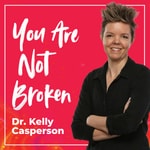
Key Takeaway: “You are not broken. Your system is overloaded.”
This conversation offers a deeply validating and practical reframe for women navigating career demands, caregiving, hormonal changes, leadership roles, and the invisible emotional labor that often comes with midlife.
103. The Menopause Industrial Complex: How to Navigate Misinformation, Supplements, and Midlife Health with Confidence
Monday, May 11, 2026 • Duration 48:12
Menopause is finally getting the attention it deserves—but with increased visibility comes a new challenge: navigating a rapidly growing industry filled with conflicting advice, products, and voices competing for your trust.
In this episode of Women Mastering Midlife, Victoria Byrd, Pharmacist Consultant, Integrative Women’s Health Coach, and Certified Menopause Educator, takes a thoughtful and evidence-informed look at what she calls the “menopause industrial complex.” She breaks down how this evolving landscape impacts midlife women—and how to move through it with clarity, confidence, and discernment.
Drawing from her clinical background and years of experience in women’s health, Victoria explores the intersection of social media, supplements, physician influencers, and modern healthcare systems. She also offers a grounded framework to help you filter information, avoid unnecessary spending, and focus on what truly supports your health during perimenopause and menopause.
In This Episode, You’ll Learn:
What the “menopause industrial complex” is and why it matters
Why increased awareness does not always equal accurate information
How social media algorithms influence the health advice you see
The truth about menopause supplements, hormone “balance,” and product marketing
How to evaluate influencers, clinicians, and medical advice online
The hidden costs of traditional insurance-based menopause care
When cash-pay menopause care may offer value—and when it may not
A practical framework to assess credibility, research, and bias
Why nuance, not absolutes, is essential in menopause care
The foundational role of hormone therapy, including when it is appropriate
The Five Pillars of Midlife Health
Resources & Next Steps
Subscribe to Women Mastering Midlife on Substack for deeper clinical insights and ongoing conversations
102. Menopause in the Workplace: Why Women Are Leaving Careers and What Needs to Change with Karissa Pfeffer
Monday, May 4, 2026 • Duration 51:21
What if the reason so many high-performing women are burning out, stepping back, or leaving their careers has nothing to do with ambition and everything to do with hormones?
In this powerful and deeply honest conversation, Victoria Byrd sits down with menopause-in-the-workplace advocate Karissa Pfeffer to unpack the real impact of perimenopause and menopause on women’s careers, leadership, and well-being.
Together, they explore the invisible challenges women face in corporate environments, why menopause is still overlooked in workplace policy, and how education, not overhaul, is the first step toward meaningful change.
This episode goes far beyond hot flashes. It dives into brain fog, burnout, anxiety, performance issues, and the systemic gaps that are quietly costing companies talent, money, and leadership.
What You’ll Learn in This Episode:
Why 1 in 10 women leave the workforce due to menopause symptoms
The connection between perimenopause, burnout, and misdiagnosis
How hormonal changes impact focus, leadership, and productivity
Why menopause is not a “wellness perk” but a critical HR and retention issue
The financial cost to companies when experienced women leave
Why women hesitate to speak up about symptoms at work
The difference between perimenopause vs. menopause awareness
How workplace culture can either support or silence midlife women
Simple, low-cost ways companies can start supporting women now
The role of education in reducing healthcare costs and improving retention
Why This Conversation Matters:
We are the first generation openly talking about perimenopause while still actively building careers, raising families, and leading organizations.
And as Victoria shares, this is about more than us, it is about changing the experience for the next generation of women.
The nutrients most connected to eye health, including omega-3 status (and why estrogen affects your body's ability to convert plant-based omega-3s into the DHA your eyes need), B vitamins, taurine, and the carotenoids lutein and zeaxanthin
Why sleep, including undiagnosed sleep apnea in women, is an underappreciated risk factor for both dry eye and glaucoma
What presbyopia actually is (it is not the same as near or farsightedness), why it happens, and why it can feel sudden even though it develops gradually
The research connecting a shorter lifetime duration of estrogen exposure to increased glaucoma risk, and why Dr. Gioia believes eye screening guidelines should be more personalized for women
Why she believes eye complaints deserve a place on standard menopause symptom checklists and intake forms
One practical takeaway for advocating for your own eye health, starting now
Key Takeaway
Your eyes are not separate from the rest of your body. Hormonal shifts, nutritional status, inflammation, and vascular health can all affect your eyes from front to back. Being proactive with routine eye care, even without complaints, is not about fear. It's about staying in the driver's seat of your own long-term health.
If this episode resonated with you, please rate, review, and share it with someone who needs to hear it. Subscribe to Women Mastering Midlife on your favorite podcast platform to receive weekly conversations that help you navigate perimenopause, menopause, and midlife health with clarity and confidence.
Book a FREE1:1 discovery call to learn more about coaching programs and courses.
Disclaimer
This podcast is for entertainment, educational, and informational purposes only. The hosts, guests, and experts featured are not your personal healthcare providers or advisors. The content should not be considered as professional, personalized medical, psychological, or prescriptive advice.
Always consult qualified professionals such as your physician, therapist, pharmacist, or coach for specific concerns and decisions related to your health or lifestyle. Women Mastering Midlife is not responsible for any undesired outcomes resulting from actions taken based on the content of this podcast.
Account type matters as much as account balance. A traditional 401(k), a Roth IRA, and a taxable brokerage account are all taxed differently. Understanding what Phil calls "tax location," not just asset allocation, can meaningfully change what you keep in retirement.
Divorce has a tax dimension that's easy to miss. Splitting retirement accounts evenly by dollar amount can leave one spouse with a much larger future tax bill if the accounts are different types (Roth versus traditional). This is worth raising with an advisor before assets are divided.
A written plan protects against the moments no one wants to think about. Access to accounts, passwords, wills, and care preferences for aging parents are logistical details that become urgent and stressful without preparation.
Life planning starts with values, not numbers. Through a process built on three reflective questions, Phil helps clients identify what actually matters to them before building the financial plan around it. The goal, in his words, is to help people avoid regret, not sit in it.
About Phil Weiss
Phil Weiss is a Chartered Financial Analyst (CFA), Certified Public Accountant (CPA), and Registered Life Planner, and the founder of Apprise Wealth Management. He began his career in 1987 as a tax professional at Deloitte and Touche, later worked as an equity research analyst covering oil and gas stocks, and built a practice centered on long-term investment strategy paired with values-based life planning. A significant portion of his client base is women navigating major life and financial transitions.
If this episode resonated with you, please rate, review, and share it with someone who needs to hear it. Subscribe to Women Mastering Midlife on your favorite podcast platform to receive weekly conversations that help you navigate perimenopause, menopause, and midlife health with clarity and confidence.
Book a FREE1:1 discovery call to learn more about coaching programs and courses.
Disclaimer
This podcast is for entertainment, educational, and informational purposes only. The hosts, guests, and experts featured are not your personal healthcare providers or advisors. The content should not be considered as professional, personalized medical, psychological, or prescriptive advice.
Always consult qualified professionals such as your physician, therapist, pharmacist, or coach for specific concerns and decisions related to your health or lifestyle. Women Mastering Midlife is not responsible for any undesired outcomes resulting from actions taken based on the content of this podcast.
Practical steps women can take right now to plant seeds for menopause support within their own organizations
What is happening legislatively across the country, including Philadelphia, Illinois, Rhode Island, Massachusetts, Maryland, and California
About April Haberman:
April Haberman is the CEO and co-founder of MiDOViA, a menopause-in-the-workplace organization partnered with accredited menopause-friendly workplace programs in the UK and Australia. With a background in PR, marketing, nonprofit health education, and sexual and reproductive health, April brings a uniquely cross-sector perspective to organizational culture change. MiDOViA has worked with more than 600 menopause-friendly member organizations and nearly 200 accredited employers. Learn more at midovia.com.
Resources Mentioned:
MiDOViA: midovia.com
Washington State Women's Commission
Washington State Governor Ferguson's Executive Order on Menopause Workplace Accommodations
If this episode resonated with you, please rate, review, and share it with someone who needs to hear it. Subscribe to Women Mastering Midlife on your favorite podcast platform to receive weekly conversations that help you navigate perimenopause, menopause, and midlife health with clarity and confidence.
Book a FREE1:1 discovery call to learn more about coaching programs and courses.
menopause in the workplace, perimenopause workplace accommodations, Washington state executive order menopause, menopause policy employers, MiDOViA April Haberman, menopause friendly workplace, women's health at work, midlife women workforce, menopause legislation United States, pharmacist menopause care, perimenopause symptoms at work, women mastering midlife podcast
Disclaimer
This podcast is for entertainment, educational, and informational purposes only. The hosts, guests, and experts featured are not your personal healthcare providers or advisors. The content should not be considered as professional, personalized medical, psychological, or prescriptive advice.
Always consult qualified professionals such as your physician, therapist, pharmacist, or coach for specific concerns and decisions related to your health or lifestyle. Women Mastering Midlife is not responsible for any undesired outcomes resulting from actions taken based on the content of this podcast.
04:33 Your nervous system doesn’t care about your workout plan
05:30 Allostatic load: the science that gives you permission
07:00 Two valid responses: movement as medicine vs. rest as medicine
10:42 Why an off-the-shelf program isn’t the answer right now
14:11 The case for a responsive, one-on-one approach
17:18 Showing up with a real life, not a fantasy
17:40 Practical, gentle movement: a menu, not a prescription
21:38 Protecting your body: stretching, pain signals, injury recovery
23:55 Don’t compare your chapter one to someone else’s chapter twenty
26:27 What we forget when we’re surviving: nutrition
29:18 Why I’m not drinking through this season
31:01 The change I’m making in how I show up online
33:18 Permission to rest, and the goal that’s still waiting for you
Moments Worth Sharing:
Your nervous system doesn’t know the difference between a real predator and a divorce attorney’s email.
Sometimes structure isn’t support. It’s one more thing we’re failing at.
The woman on your feed who swears her 5 a.m. lift saved her life isn’t lying. She’s just not you.
We need to start with the truth of life, not the fantasy of it.
Don’t compare your chapter one to someone else’s chapter twenty.
The walk is enough. The rest is enough. Showing up, even quietly, is enough.
Mentioned in This Episode:
The five pillars of midlife health: nutrition, movement, sleep, stress mitigation, lifestyle
Allostatic load and the physiology of chronic stress
Protein as the building block for recovery and strength
Coming back from injury with slow reps and good form
Work With Vicky:
If you’re in a hard chapter and you want someone to help you build something that fits your real life, not a fantasy version of it, my DMs are always open. That’s where this kind of work starts.
This podcast is for educational purposes and is not a substitute for individualized medical care. Always consult your provider before making changes to medication, exercise, or supplements. Replacing an SSRI or any prescription with exercise should only be done under the supervision of a licensed provider.
Red flags to watch for in a commercializing marketplace, from Instagram-polished retreat brochures to untested compounds sold in smoke shops
A Note from Victoria
As a licensed pharmacist and certified menopause practitioner, I brought a lot of questions to this conversation, including ones about drug interactions, scheduling law, and what informed consent actually looks like in practice. Linden met every one of them with honesty. This episode is not medical advice, and we are both clear on that throughout. But it is the kind of informed, grounded conversation that I believe midlife women deserve access to, especially as the research and policy landscape continues to shift.
Reveal Community on TikTok (live education, Q&A, and community building)
Linden's online courses: microdosing and large-dose experience preparation
Global Psychedelic Society
MAPS (Multidisciplinary Association for Psychedelic Studies)
Let's Keep the Conversation Going
If this episode resonated with you, please rate, review, and share it with someone who needs to hear it. Subscribe to Women Mastering Midlife on your favorite podcast platform to receive weekly conversations that help you navigate perimenopause, menopause, and midlife health with clarity and confidence.
Book a FREE1:1 discovery call to learn more about coaching programs and courses.
Disclaimer
This podcast is for entertainment, educational, and informational purposes only. The hosts, guests, and experts featured are not your personal healthcare providers or advisors. The content should not be considered as professional, personalized medical, psychological, or prescriptive advice.
Always consult qualified professionals such as your physician, therapist, pharmacist, or coach for specific concerns and decisions related to your health or lifestyle. Women Mastering Midlife is not responsible for any undesired outcomes resulting from actions taken based on the content of this podcast.
VICTORIA25
Let's Keep the Conversation Going
If this episode resonated with you, please rate, review, and share it with someone who needs to hear it. Subscribe to Women Mastering Midlife on your favorite podcast platform to receive weekly conversations that help you navigate perimenopause, menopause, and midlife health with clarity and confidence.
Book a FREE 1:1 discovery call to learn more about coaching programs and courses.
Disclaimer
This podcast is for entertainment, educational, and informational purposes only. The hosts, guests, and experts featured are not your personal healthcare providers or advisors. The content should not be considered as professional, personalized medical, psychological, or prescriptive advice.
Always consult qualified professionals such as your physician, therapist, pharmacist, or coach for specific concerns and decisions related to your health or lifestyle. Women Mastering Midlife is not responsible for any undesired outcomes resulting from actions taken based on the content of this podcast.
Let’s Keep the Conversation Going: If this episode resonated with you, please rate, review, and share it with someone who needs to hear it.Subscribe to Women Mastering Midlife on your favorite podcast platform to receive weekly conversations that help you navigate perimenopause, menopause, and midlife health with clarity and confidence.
Book a FREE 1:1 discovery call to learn more about coaching programs and courses
Disclaimer
This podcast is for entertainment, educational, and informational purposes only. The hosts, guests, and experts featured are not your personal healthcare providers or advisors. The content should not be considered as professional, personalized medical, psychological, or prescriptive advice.
Always consult qualified professionals such as your physician, therapist, pharmacist, or coach for specific concerns and decisions related to your health or lifestyle. *Women Mastering Midlife* is not responsible for any undesired outcomes resulting from actions taken based on the content of this podcast.
Connect with Karissa Pfeffer:
Learn more about workplace menopause education and how to bring this conversation into your organization:
Let’s Keep the Conversation Going: If this episode resonated with you, please rate, review, and share it with someone who needs to hear it.Subscribe to Women Mastering Midlife on your favorite podcast platform to receive weekly conversations that help you navigate perimenopause, menopause, and midlife health with clarity and confidence.
Book a FREE 1:1 discovery call to learn more about coaching programs and courses
Disclaimer
This podcast is for entertainment, educational, and informational purposes only. The hosts, guests, and experts featured are not your personal healthcare providers or advisors. The content should not be considered as professional, personalized medical, psychological, or prescriptive advice.
Always consult qualified professionals such as your physician, therapist, pharmacist, or coach for specific concerns and decisions related to your health or lifestyle. *Women Mastering Midlife* is not responsible for any undesired outcomes resulting from actions taken based on the content of this podcast.