Typewriter Sessions: A Resident Evil Podcast – Details, episodes & analysis
Podcast details
Technical and general information from the podcast's RSS feed.
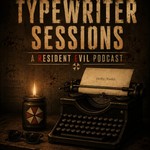
Typewriter Sessions: A Resident Evil Podcast
Typewriter Sessions
Leisure
Frequency: 1 episode/31d. Total Eps: 15

Typewriter Sessions: A Resident Evil Podcast is your ultimate destination for everything Resident Evil. Hosted by passionate survival horror fans Brett (MiniGrim) and James, this podcast dives deep into the iconic Resident Evil franchise — from classic titles to newer entries and beyond.
Whether you're a long time fan of the Resident Evil games or just getting started in Raccoon City, we’ve got you covered. Join us as we explore the rich Resident Evil lore one game at a time and share our hilarious thoughts and history with the games.
Site
RSS
Apple
Data updated on 18/10/2026
Recent rankings
Latest chart positions across Apple Podcasts and Spotify rankings.
Shared links between episodes and podcasts
Links found in episode descriptions and other podcasts that share them.
See allRSS feed quality and score
Technical evaluation of the podcast's RSS feed quality and structure.
See allPublication history
Monthly episode publishing history over the past years.
© My Podcast Data · Independent project · Data from Apple & Spotify