The Metamorphosis by Franz Kafka – Details, episodes & analysis
Podcast details
Technical and general information from the podcast's RSS feed.
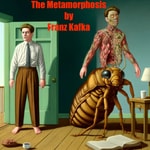

The Metamorphosis by Franz Kafka is a novella first published in 1915. It is one of Kafka's most famous works and explores themes of alienation, existential anxiety, guilt, and absurdity. The story follows Gregor Samsa, a traveling salesman who wakes up one morning to find himself transformed into a grotesque, insect-like creature. The metamorphosis is inexplicable and Kafka never attempts to provide a reason for this occurrence, focusing instead on the aftermath of Gregor's transformation.
As Gregor struggles to adapt to his new condition, his family is initially sympathetic, but their compassion quickly turns to impatience and hostility. Gregor's inability to work and his grotesque appearance become a burden to his family, who become increasingly resentful, confining him to his room and treating him as an it. Despite his monstrous exterior, Gregor retains a human mind, experiencing deep isolation and longing for the affection and normalcy of his past life.
The narrative delves into the impacts of Gregor’s transformation on his family dynamics, revealing their moral and emotional decay as they abandon their obligations and sympathy towards him. His sister, Grete, initially takes care of him but eventually turns against him. The family's transformation, paralleling Gregor's own physical metamorphosis, highlights Kafka's critique of the dehumanizing effects of modern society and the fragility of human bonds under economic pressure.
The story builds to a climax as Gregor’s condition worsens, leading to a tragic conclusion that reflects Kafka's dark and absurdist view of human existence. The novella is celebrated for its ability to weave dense and profound themes into the ordinary fabric of family life, making "The Metamorphosis" a timeless exploration of the depths of human alienation. Thanks for listening to Quiet Please. Remember to like and share wherever you get your podcasts
As Gregor struggles to adapt to his new condition, his family is initially sympathetic, but their compassion quickly turns to impatience and hostility. Gregor's inability to work and his grotesque appearance become a burden to his family, who become increasingly resentful, confining him to his room and treating him as an it. Despite his monstrous exterior, Gregor retains a human mind, experiencing deep isolation and longing for the affection and normalcy of his past life.
The narrative delves into the impacts of Gregor’s transformation on his family dynamics, revealing their moral and emotional decay as they abandon their obligations and sympathy towards him. His sister, Grete, initially takes care of him but eventually turns against him. The family's transformation, paralleling Gregor's own physical metamorphosis, highlights Kafka's critique of the dehumanizing effects of modern society and the fragility of human bonds under economic pressure.
The story builds to a climax as Gregor’s condition worsens, leading to a tragic conclusion that reflects Kafka's dark and absurdist view of human existence. The novella is celebrated for its ability to weave dense and profound themes into the ordinary fabric of family life, making "The Metamorphosis" a timeless exploration of the depths of human alienation. Thanks for listening to Quiet Please. Remember to like and share wherever you get your podcasts
Site
RSS
Apple
Recent rankings
Latest chart positions across Apple Podcasts and Spotify rankings.
Shared links between episodes and podcasts
Links found in episode descriptions and other podcasts that share them.
See allNo links shared by this podcast
RSS feed quality and score
Technical evaluation of the podcast's RSS feed quality and structure.
See allPublication history
Monthly episode publishing history over the past years.
Related Shows Based on Content Similarities
Discover shows related to The Metamorphosis by Franz Kafka, based on actual content similarities. Explore podcasts with similar topics, themes, and formats, backed by real data.
© My Podcast Data · Independent project · Data from Apple & Spotify