The Feral Behaviourist – Details, episodes & analysis
Podcast details
Technical and general information from the podcast's RSS feed.
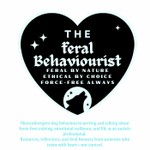
The Feral Behaviourist
“Dog behaviour without the sugar-coating (or the shock collars).”
Kids & Family
Comedy
Frequency: 1 episode/64d. Total Eps: 12

Welcome to The Feral Behaviourist—the podcast for anyone who’s ever muttered, “My dog’s not broken, but something’s definitely… feral.”
Hosted by Tasha Attwood, a holistic behaviourist with zero tolerance for outdated nonsense, we get real about what life with dogs is actually like. No quick fixes and definitely no whispering—just honest chats about the chaos, the science, and the laughs that come with raising, training, and sometimes just surviving our four-legged companions.
Each episode serves up myth-busting, unfiltered advice, weird science (that actually helps), and stories that prove you’re not the only one whose dog just stole a baguette from a stranger’s shopping bag. Whether you’re a guardian, trainer, or just here for the feral tales, pull up a chair—because perfection is overrated, and dogs (and humans) are messy by nature.
muttsandmischief.substack.com
muttsandmischief.substack.com
Site
RSS
Apple
Data updated on 05/08/2026
Recent rankings
Latest chart positions across Apple Podcasts and Spotify rankings.
Shared links between episodes and podcasts
Links found in episode descriptions and other podcasts that share them.
See allRSS feed quality and score
Technical evaluation of the podcast's RSS feed quality and structure.
See allPublication history
Monthly episode publishing history over the past years.
© My Podcast Data · Independent project · Data from Apple & Spotify