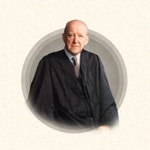
The MLJ Trust presents original audio recordings of the sermons of Dr. Martyn Lloyd-Jones (1899-1981). Dr. Lloyd-Jones was a Welsh minister who preached and taught in the Reformed tradition. He is considered by many evangelical leaders today to be an authority on biblical truth and the sufficiency of Scripture. Dr. Lloyd-Jones’ principal ministry was at Westminster Chapel, in central London, from 1939-1968, where he delivered multi-year expositions on books of the bible such as Romans, Ephesians and the Gospel of John.
Site
RSS
Apple
Data updated on 30/07/2026
Recent rankings
Latest chart positions across Apple Podcasts and Spotify rankings.
Shared links between episodes and podcasts
Links found in episode descriptions and other podcasts that share them.
Discover shows related to Sermons of Dr. Martyn Lloyd-Jones, based on actual content similarities. Explore podcasts with similar topics, themes, and formats, backed by real data.
Forgiveness of sin is the heart of redemption in Christ. But that is different than saying God’s primary motivation for redemption is forgiveness of sin. In this sermon on “The Glory of God” from Ephesians 1:6, Dr. Martyn Lloyd-Jones remarks that errant thinking places the human being at the center of salvation rather than God. Instead, the glory of God is the great motive that led God to plan and purpose redemption in Christ. Christians are often lethargic about their salvation but Paul says Christians are redeemed to praise Him. Why should Advent illicit praise to God? Chiefly because in the coming of Christ the revelation of God’s glory is seen. Although the glory of God is difficult to define, the term implies God’s beauty, majesty, splendor, greatness, might and eternity. Dr. Lloyd-Jones walks through various passages in order to demonstrate how this theme runs throughout Scripture (Genesis 3:24; Exodus 40:34–37; Isaiah 6; Luke 2:14; 2 Corinthians 4:6). Placing the glory of God at the front of one’s mind can have great effects in evangelism. By emphasizing the glory of God in their proclamation of the gospel, Christians shall be much more apostolic in their method. While God is about His glory, the highest manifestation of that glory is found in the salvation of sinners.
Higher than Adam
Tuesday, July 28, 2026 • Duration
God is the Creator of everyone, but not everyone is in His family. Nineteenth and twentieth century liberalism emphasized the universal fatherhood of God and the universal brotherhood of people. This false teaching disregards the gospel’s call to repentance and dismisses the wickedness of sin. In this sermon on Ephesians 1:5–6 titled “Higher than Adam,” Dr. Martyn Lloyd-Jones confronts this wrong theology and continues to expose others that have harmed the church. Another errant teaching confronted by Dr. Lloyd-Jones in this sermon is the teaching that differentiates between “sons of God” and “children of God” and the benefits given to them. The former, according to this teaching, enjoy a much greater fellowship with God than the latter. Dr. Lloyd-Jones reminds how important sound doctrine is for the Christian church. While providing a robust response to these errors, Dr. Lloyd-Jones encourages seeing the absolute privilege Christians have in Christ. He does so by contrasting Adam and the Christian. He notes that in Christ the Christian has been given more than what was lost in Adam. The privilege of redemption includes forgiveness of sin but also exaltation to sonship.
Adoption in Christ
Monday, July 27, 2026 • Duration
Christians are adopted by God because He chose them. With careful attention to the details of Paul’s letters, Dr. Martyn Lloyd-Jones explores the purpose of salvation and the implications of being adopted into God’s family. To help grasp the significance of this doctrine, Dr. Lloyd-Jones explains that the term “adoption” emphasizes the standing and rank of the chosen child. In this sermon on adoption from Ephesians 1:5, Dr. Lloyd-Jones explains that regeneration addresses the Christian’s nature, whereas adoption is about the legal standing of the child. Adoption is the highest expression of God’s love towards His chosen people. It is the love of a Father for His child, the love of God for His creation. Children of God must live holy lives in keeping with their identity. The privileges of God’s household are found throughout Paul’s letters. Christians are His sons and daughters and, as the Scriptures say, heirs with Christ.
Holy and ... Before Him in Love
Sunday, July 26, 2026 • Duration
Why are Christians elected to salvation? In this sermon on Ephesians 1:4 titled “Holy and…Before Him in Love,” Dr. Martyn Lloyd-Jones explores this doctrine that believers are chosen by God to be holy. Echoing the apostle John, Paul says the purpose of God in Christ for His people is to undo, remove, and rectify completely the effects of sin and the fall. By making His people holy and without blame before Him, Christ destroys the work of the devil. The ability to be in the presence of God and communion with Him is the goal for Christians. In Christ, the believer has a new love and affection for God. Salvation is nothing less than a new relationship with God whereby the Christian can stand before Him in His presence. If this is the end for which God has chosen His people, they must be concerned with preaching holiness to others. Holiness is not an addition to be added after someone is saved. Because they have been chosen, God will make them holy.
Chosen in Him
Saturday, July 25, 2026 • Duration
The doctrine of election requires a reverent approach and the listener is on holy ground concerning this topic. Christians have often done great injustice in an argumentative style. From this sermon on being chosen by God from Ephesians 1:4 titled “Chosen in Him,” Dr. Martyn Lloyd-Jones explores this crucial doctrine, and like the apostle Paul, he simply states this doctrine without arguing for it. The Bible is uninterested in giving a philosophical explanation and, according to Romans 9, reproves the Christian when they begin to argue against God’s sovereign choice in election. Listen as Dr. Lloyd-Jones explores this doctrine throughout Scripture, including John 6, 15, 17; 2 Thessalonians 2:13–14; and 1 Peter 1:2. It is wise, says Dr. Lloyd-Jones, to look to authorities in church history, great Christian theologians, evangelists, and preachers who have held fast to God’s sovereign choice. Even with his strong defense of the Reformed position, he asks if one is saved by their position on this important question. Happily Dr. Lloyd-Jones answers, “no.” But, he argues, there is great comfort, security, and joy bound up with knowing God has set His love upon His children before the foundation of the world.
In Heavenly Places
Friday, July 24, 2026 • Duration
When a person is saved, a profound change occurs and they are taken from one realm to another. The non-Christian only knows the earthly realm. But the Christian knows two realms: earthly and heavenly. In this sermon on Ephesians 1:3 titled “In Heavenly Places,” Dr. Martyn Lloyd-Jones expounds the mystery of Paul’s words, showing that in Christ, the Christian has heavenly citizenship. The consequence of this teaching is far-reaching. This makes the Christian an enigma to others and to themselves. They wrestle with sin like others do but do not enjoy it. There are social consequences as well. While the world places its confidence in the perfectibility of humanity and hope for a better future through education, government, and culture, the Christian is engaged in such matters, but their hope is firmly set on the heavenly places, in their afterlife with Christ. Their faith is on the sure ground of the return of Christ and the eternal home where the Savior is, seated in the heavenlies. No one can change their nature; it is only done through faith in God's only Son.
All Spiritual Blessings
Thursday, July 23, 2026 • Duration
How does one come to enjoy spiritual blessings? What are the spiritual blessings in Ephesians 1? In this sermon on Ephesians 1:3 titled “All Spiritual Blessings…,” Dr. Martyn Lloyd-Jones focuses on two themes. He insists that the Christian only enjoys blessings through Christ. While acknowledging God gives common grace to everyone, the Holy Spirit gives unique grace that only Christians enjoy. Dr. Lloyd-Jones connects Paul’s words in Ephesians to his other letter to the Colossians (1:19; 2:3), showing the absolute necessity of going to God through Christ, the mediator. A second blessing Christians enjoy through Christ is that His grace flows through the Holy Spirit. The sovereign work of the Spirit quickens, convicts, enables, and keeps the Christian. Dr. Lloyd-Jones recaptures the “other-worldly” nature of the Christian’s blessings by criticizing movements that insist that blessings are of this world. The Christian, says Dr. Lloyd-Jones, does not deny or despise the world, but this is different from setting their affections upon it. If they do not keep an appropriate distance, they forget that this is a fallen world and that their citizenship is in heaven.
The Everlasting Covenant
Wednesday, July 22, 2026 • Duration
The words of Scripture allow a glimpse into the eternal plan of the Trinity. Theologians have called this the Covenant of Redemption where humanity can be redeemed from their sin and reconciled to God. In this sermon on Ephesians 1:3 titled “The Everlasting Covenant,” this central theme of Ephesians comes alive as Dr. Martyn Lloyd-Jones warns, laments, and challenges Christians to understand the great theme of redemption. The believer’s greatest need is to understand doctrine. What is at stake is not intellectual curiosity, but worship. The truth about redemption, argues Dr. Lloyd-Jones, leads to adoration, worship, and praise. When one dwells upon the redemptive work of each person, they grow in their worship of God. When a Christian understands more, the more worship they experience. For the Christian, worship is always Trinitarian. One must not only praise the Father, but also the Son and the Holy Spirit. The Christian must not stop at worshiping only the Son, but also the Father and the Holy Spirit. They cannot focus exclusively on the Holy Spirit to the neglect of the Father and Son but must adore the blessed Trinity.
Grace, Peace, Glory
Tuesday, July 21, 2026 • Duration
Why is every word of Scripture vital? In this sermon on grace, peace and glory from Ephesians 1:2, Dr. Martyn Lloyd-Jones expounds the significance of two words: grace and peace. Dr. Lloyd-Jones argues that these two words contain the most profound truths of the Christian faith. Christian lives begin with God’s condescended love, His beneficent kindness, and His unmerited favor. In other words, it begins with grace. This unmerited favor begins with the faith of the Christian, whereas peace is the result of their faith. Fallen humanity has a minimal and warped sense of peace. Dr. Lloyd-Jones says “reconciliation” captures the biblical picture of what God promises in peace. The peace that God gives includes peace with God, peace with self, and peace with others. Since God gives what is not deserved, one can give that same grace to others. His peace makes His people peacemakers, even with their enemies, because they sympathize and understand that humanity’s core problem is sin. Grace and peace only come through the Lord Jesus Christ. To deny the exclusivity of Christ is a denial of Christianity and the only place where grace, peace, and glory can be found.
Saints and Faithful in Christ Jesus
Monday, July 20, 2026 • Duration
What is the minimum of what it means to be a Christian? In this sermon on Ephesians 1:1 titled “Saints…and Faithful in Christ Jesus,” Dr. Martyn Lloyd-Jones addresses this question. Three striking descriptions are proclaimed from this text: saints, faithful, and union with Christ. Dr. Lloyd-Jones centers his sermon around these descriptors and shows what the apostle Paul meant by these terms. While many Christians have a tendency to emphasize one of these descriptions over against the other, Dr. Lloyd-Jones calls the Christian to hold these together. The failure to do so is damaging to the church as Christianity is reduced to either some form of “easy believism” or an academic exercise. Correct doctrine, holiness, and participation in Christ must be at the center of one’s definition of “Christian.” Christians who have a burden for the lost must know who they are and what they are called to be, according to Dr. Lloyd-Jones. Having a robust understanding of what it means to be a Christian has a direct effect on one’s witness to the world.