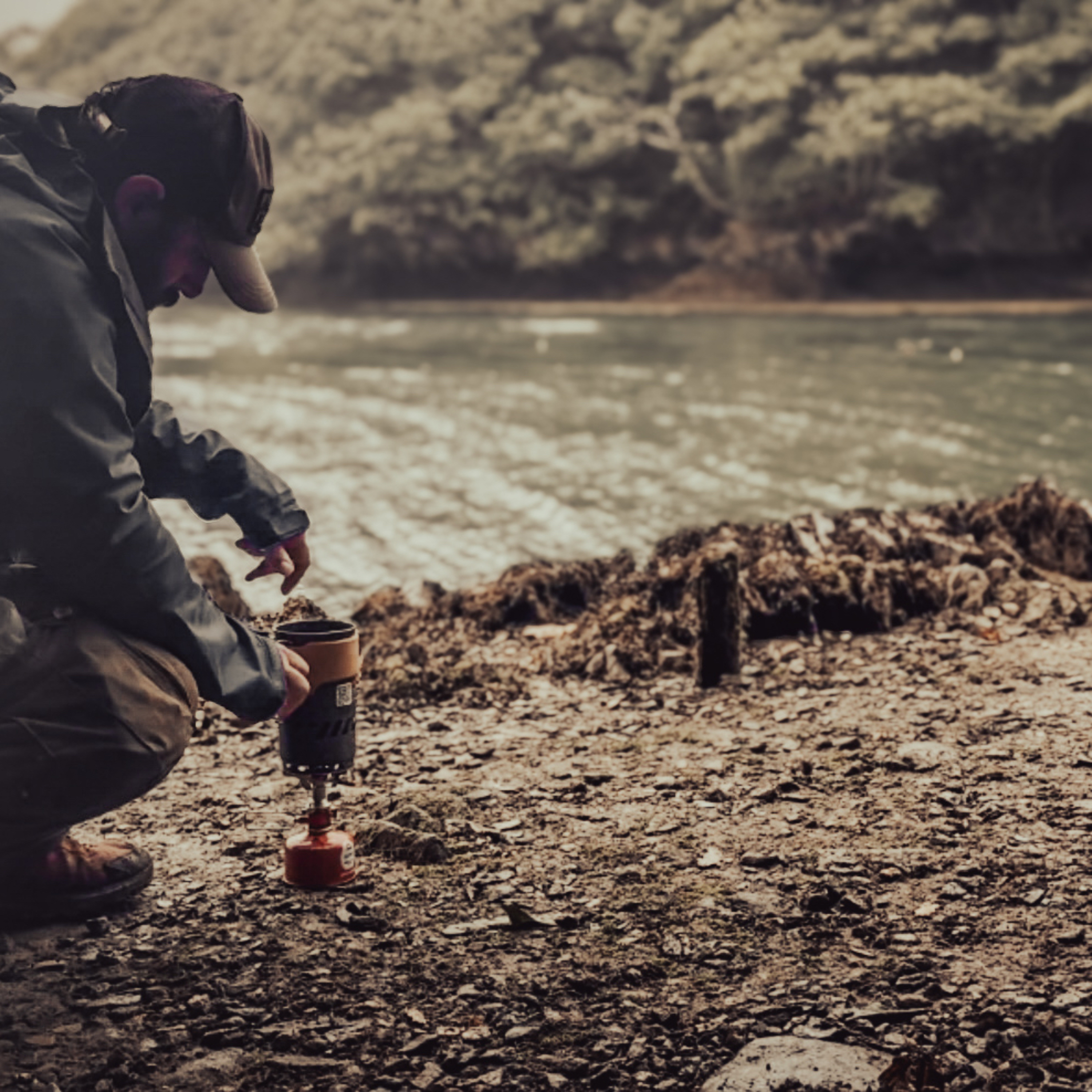
This episode is a guide on how to plan hiking meals based on water access, carrying capacity, and route logistics. The core idea is simple but practical: water availability should shape your menu, because it affects what you can cook, how much you can carry, and how much cleanup you'll need.
We walk through how to use a map to identify realistic water sources, assess whether they are actually usable, and build a food plan that matches the conditions on the trail. He also covers how water needs change breakfast, lunch, dinner, hot drinks, and washing up.
## Key topics
- Why water should be the first planning priority for hike food, especially on trips longer than a day.
- How to use a map to locate rivers, streams, lakes, and marked water sources along your route and camping spots.
- Why a blue line on a map does not guarantee a reliable or safe water source.
- How seasonal drying, agricultural runoff, and livestock can make a source unsuitable—and why a backup plan matters.
- How different meals demand different amounts of water, including cooking, rehydrating, and cold soaking.
- Why drinking water, hot drinks, breakfasts, washing up, and emergency reserves belong in the overall water budget.
- What meals make sense when water is plentiful versus scarce.
- Low-water alternatives, including wraps, oat cakes, pre-soaked meals, and dishes that need minimal water.
- How carrying wet ingredients can be a useful tradeoff when it reduces water needs later.
- Why choosing meals that minimize washing up can conserve water.
## Timestamps
00:00 — Why water should shape your meal plan before recipes
00:30 — Start with the map and route, not the menu
01:00 — Finding likely water sources along the trail
01:29 — Why map water lines are not always reliable
01:59 — Matching meal choices to cooking and rehydration needs
02:30 — Building water into your full trip budget
03:00 — What you can cook when water is plentiful
03:29 — How to adapt meals when water is scarce
03:59 — Low-water lunch and dinner ideas that still work outdoors
04:47 — Saving water by minimizing washing up
05:31 — Final rule: plan water before meals, always
## Action items
- Open your map before a hike and mark every likely water source on the route.
- Check where the last realistic water source is before dinner or overnight camping.
- Build your meal plan around the water you can actually expect to carry or collect.
- Make a backup meal plan in case a water source is dry or unusable.
- Choose foods that fit the trip conditions, not just the ones that sound best at home.