HOW TO BE A WOMAN – Details, episodes & analysis
Podcast details
Technical and general information from the podcast's RSS feed.
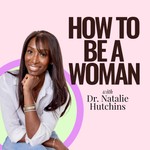
HOW TO BE A WOMAN
Dr Natalie Hutchins
Health & Fitness
Health & Fitness
Frequency: 1 episode/10d. Total Eps: 31

HOW TO BE A WOMAN: Everything you were never taught about women’s health, finally explained.
Hosted by Dr Natalie Hutchins- GP, women’s health doctor and creator of The Woman’s Handbook, this podcast brings you the facts, the nuance and the science behind every major stage of a woman’s life.
Every other week, Natalie sits down with world-leading clinicians, psychologists, scientists and thought-leaders to break down topics women are so often left to figure out alone.
We cover the 5Ms- the 5 key milestones that a shape women’s health:
• Menarche: puberty, periods, PMS/PMDD, teen mental health and how to raise happy, confident & resilient girls
• Menstruation: cycle health, contraception, fertility, endometriosis, PCOS and reproductive wellbeing
• Matrescence: pregnancy, birth, pelvic floors, postpartum recovery and the psychological transformation into motherhood
• Menopause: perimenopause, midlife mental health, HRT myths and knowledge to help you navigate this transition feeling empowered
• Matriarchy: providing you with the rulebook to avoid chronic disease, and live well for longer
If you want smart science, honest conversations and tools you can use today, you’re in the right place.
New episodes alternate weeks.
Your handbook starts here.
Www.thewomanshandbook.com
Instagram @thewomanshandbook
thewomanshandbook.substack.com
thewomanshandbook.substack.com
Site
RSS
Apple
Recent rankings
Latest chart positions across Apple Podcasts and Spotify rankings.
Shared links between episodes and podcasts
Links found in episode descriptions and other podcasts that share them.
See allRSS feed quality and score
Technical evaluation of the podcast's RSS feed quality and structure.
See allPublication history
Monthly episode publishing history over the past years.
© My Podcast Data · Independent project · Data from Apple & Spotify