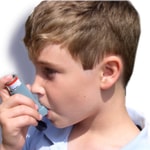
This show is based on fifteen episodes that explain how every asthmatic can reduce or eliminate their medication and gain better control of their asthma by learning how to improve their breathing along with making a few other lifestyle changes.
Site
RSS
Apple
Recent rankings
Latest chart positions across Apple Podcasts and Spotify rankings.
Shared links between episodes and podcasts
Links found in episode descriptions and other podcasts that share them.
**Escape from Asthma Episode # 15 Some Important Points **
Hi, this is Michael Lingard, your Buteyko Educator, welcoming you to the final episode of Escape from Asthma and offering you my congratulations on completing this course. You now have the understanding and tools to continue improving your breathing and health in the future.
Asthma is a serious condition and as such safety is paramount with the management of this condition. This final episode will highlight areas that you should take particular care over and remember that this course is a general presentation and each individual asthma sufferer is unique. No responsibility can be taken for any adverse reactions to the training or your failure to follow the safety recommendations given; always, if in doubt, consult your doctor, asthma nurse or your own Buteyko Educator for advice.
You are recommended to check all the following important points now and from time to time in the future to ensure you are following best practice of the Buteyko Method.
1.** **Under no circumstances should you throw away your bronchodilators or steroids. ** **
For at least the next twelve months always carry your reliever medication with you and use it if necessary. Research has shown that while overuse and heavy doses of bronchodilators may worsen the asthmatic condition, when used correctly in the early stages of an asthma attack, they can stop severe asthma from developing.
Prevent or overcome tightness, wheezing, coughing or shortness of breath by first using the Buteyko Method (Control Pause or Extended Pause followed by Reduced Breathing) and** if this does not help, use your reliever medication. As soon as possible after taking it, do the Reduced Breathing exercises.**
**Steroid reduction should be discussed with your doctor. ** When it takes place, it should be a very gradual process - no faster than one puff reduced every seven days and reducing all morning steroids doses first. At the first sign of reaction (accelerated pulse, lowered control pause or asthma attacks) then your steroids should be restored to previous dosage. For example, if you start with two puffs night and morning and after cutting out both morning puffs you get asthma, then restore one puff in the morning. If this is still not controlling your condition then restore the second morning puff and do not reduce them again until you are stable and your doctor says that it is safe to continue with the reduction.
In the early stages of your training maintain nose breathing at all times, especially when faced with factors that usually cause you asthma. If your nose is blocked use the Nose Clearing exercises to unblock it. The most common of factors to cause asthma are: physical exercise, emotional situations, yelling/shouting, chemical or paint vapours, smoky environments, going out into cold air, alcohol, over-eating and over-sleeping.
Adults should keep in mind the importance of the Reduced Breathing exercise. If you must do any deep breathing, for example while playing sport or laughing/crying, then as soon as possible do some Buteyko exercises to return breathing to normal.
For most asthmatics, usually the first sign that asthma is returning is either a stuffy nose, broken sleep patterns, waking up more tired in the morning than usual or noticing your morning control pause falling day after day. Always sleep on your side (or stomach for adults). Whenever you notice the early warning signs, increase your Buteyko exercise regime.
We recommend that you continue to tape your mouth while sleeping for at least six months. If you wish to stop doing this, then use the Control Pause and pulse to test your breathing while you sleep for a minimum of ten days.
Keep off all the foods that increase your breathing rate when you are suffering from breathing difficulties. These include: chocolate, milk, cottage cheese, yoghurt, ice-cream, nuts, honey, chicken/fish/beef stock, strawberries, raspberries, coffee, strong tea, and alcohol or any other foods you have noticed cause you to wheeze.
Easily digested proteins increase hyperventilation more than other foods, so if you suspect that your condition is deteriorating then avoid these foods. If you must eat protein at this time then try to eat only unrefined vegetable protein.
Viruses are a stress on the body and therefore increase the breathing rate, so it is vital to minimize other stresses at this time. When a virus strikes: increase your Buteyko exercise sessions to at least 9 sets a day; take medication if necessary; reduce food intake; avoid foods that increase the breathing rate; avoid known allergens; rest more but sleep less; drink lots of clear fluids, water is best; keep warm but don't get over-heated.
The pulse and control pause act like a natural peak flow meter for adults, with the aim being to maintain an early morning control pause of approximately 45 seconds. When the Control pause increases then your condition is improving, when it decreases your condition is deteriorating and there is a greater chance of an asthma attack. **If it should get less than 7 seconds seek medical attention immediately. **
The pulse and Step exercise act like a natural peak flow meter for children, with the aim being to maintain an early morning number of steps of at least 80. When the number of steps increases the condition is improving and there is less likelihood of an asthma attack. When the number of steps decreases, then the condition is deteriorating. ** If the number get less than 15 steps, seek medical attention immediately **
Ideally do nine sets of breathing exercises a day until your asthma is totally under control. This usually means that your early morning control pause is consistently between 45 and 60 seconds for adults or between 80 and 100 steps for children. When your asthma is controlled, do six sets a day for one week. Provided there is no deterioration in your condition, continue to reduce the exercises by one set each week until you are down to one or two sets a day. Even with no symptoms, it is advisable to check your condition every morning on waking because any continued stress will alter your breathing negatively, and you may not be aware of it unless you check.
Should your drug intake increase significantly or your condition become less than well controlled**** then that is the time to contact your Buteyko Educator or your medical practitioner.****
The five main problems people have with using Buteyko are:
a. Not putting in the initial effort required to change their automatic breathing pattern.
b. Not being aware of their breathing, and consequently breathing through their mouth while talking and exercising.
c. No longer monitoring their condition every morning before breakfast.
d. Watching their Control pause or the number of steps fall every morning and not doing anything about it.
e. Not telephoning their Buteyko Educator or doctor when being confused about using the Buteyko Method.
You are advised to seek help or advice from a trained Buteyko Educator should you have any questions about the Buteyko Method.
***Finally congratulations on completing this course and remember:
Eat Less, Sleep less, Breathe Less and Exercise More!*
Hi, welcome to the penultimate episode of Escape from Asthma. I hope by now you are really making progress and feeling the benefits of better breathing. One of the great attractions of the Buteyko Method breath training is that people don’t need to carry on doing exercises indefinitely but once their carbon dioxide receptors have been re-set and they are achieving good control pauses of 35 to 45 seconds all the time, then they can begin to reduce their exercises and eventually stop them altogether.
So at some time in the future you will have established a new habit of breathing normally, you will have a morning control pause of over thirty-five and will often achieve control pauses of over forty. You will have achieved ideal breathing when your control pause is between 45 and 60 seconds.
How quickly you get to these levels depends on many factors: how bad your asthma was, how many exercises you have been doing each day (the more, the faster you change your breathing pattern), whether you are going through a stressful time, whether you are getting enough physical exercise (walking is perhaps the safest), whether your diet is helping with your breathing ( listen to episode seven again), whether you are only nose breathing, even when talking and sleeping, and a few more points need to be considered. Every one is different and this is why face to face training by a Buteyko Educator is by far the best and fasted way of getting good results.
You will get a check list in episode 15 that you can refer to if your progress isn’t as great as you’d like.
Assuming you have reached the 35 plus control pause and you are not needing any reliever medication you can start reducing the number of exercises you do each day progressively until you are only doing an exercise if and when your control pause drops off. Remember to keep measuring your morning control pause regardless because this is your early warning system should your condition begin to deteriorate at any time. It takes under a minute so there is no reason to drop this essential safety measure.
If you have been using tape to stop you mouth breathing in your sleep you may by now have broken the bad habit of mouth breathing when asleep. You can test yourself very simply; take your control pause just before going to sleep, do not tape your mouth and check your control pause when you wake up in the morning. If your control pause has not fallen during the night it means you have not been mouth breathing in your sleep. If however your control pause has fallen by ten or more seconds you need to carry on taping at night for a little longer. The other indicator is you will probably have a dry mouth if you have been mouth breathing.
Getting Started
Season 1 · Episode 5
Saturday, March 16, 2019 • Duration 04:16
Escape from Asthma Episode#5
Hi! This is Michael Lingard bringing you episode five of “Escape from Asthma” entitled getting started. Now have completed one Buteyko exercise you can begin to do more on a daily basis using the worksheet you have downloaded and printed off, my book "Better Breathing Means Better Health" fror recording your exercises and for revision HERE or the booklet The Buteyko Guide to Better Breathing & Better Asthma Management you may have purchased from Lulu.com.HERE
Try to do at least one exercise in the morning and perhaps two in the evening, you can choose how long you spend doing the reduced breathing depending on how much time you can spare. If you want a short exercise that will take less than 10 minutes make the reduced breathing just three minutes long each time but if you have time you will get better results with a reduced breathing of five minutes each time giving you an exercise that will take about 15 minutes.
You should find each time you do an exercise your control pause will rise from start to finish, and your pulse will fall or remain unchanged, depending on how far above your normal pulse rate you were at the start of the exercise.
There are a few tips you can note when doing the exercises.
Firstly make sure you are relaxed and undisturbed before beginning an exercise don't try to push your control pause for breath hold to try to increase the control pause, the control pause should always be the maximum comfortable breath hold and should not be in any way stressful.
When doing the reduced breathing there are many ways patients achieve this but it is always through relaxation. Remember to be sitting comfortably feet on the floor, all muscles throughout the body relaxed, eyes closed, mouth closed, only breathing through your nose. Most people find it helps to visualize some favourite scene, for instance by the sea on the beach or in the garden or by a gentle flowing river. Whatever the scene you use, try to focus on small details there, so as to take your attention away from the daily problems and chores, to quieten your mind.
This is not the same as meditation, since you need to keep aware of your breathing and relaxation. Some people find listening to certain music can help them relax more. Whatever you choose you will know you have found the right way if your exercises give good results.
I usually suggest plotting the average of the start control pause and end control pause. If you use a computer you can do this easily on Microsoft Excel or similar programs, these programs will allow you to add a trend line also to clearly see how you are progressing. You may decide to monitor your progress this way once a week.
Nose Clearing & Your First Buteyko Exercise
Season 1 · Episode 4
Thursday, March 14, 2019 • Duration 10:44
Asthma Episode #4 Nose Clearing & Your First Buteyko Exercise
Hello this is Michael Lingard welcoming you to “Escape from Asthma” episode 4, “Nose Clearing and Your First Buteyko exercise”.
Nose breathing, an aid to better asthma control.
Perhaps the simplest advice is to try to always breathe through the nose. Why?
Because the nose functions to deliver air to the lungs in as perfect condition as possible. It makes over-breathing physically more difficult simply because of the smaller size of the nostrils compared with an open mouth, it filters out most of the dust and particulates found in the atmosphere, it moisturizes the air when it's dry, as in centrally heated rooms, delivering air that doesn't irritate and dry out the delicate membranes of the lungs, it conserves water and helps reduce the risk of dehydration, it contains active organisms that trap and destroy many potential infective agents in the air we breathe, protecting the lungs from infection, it is also found to be responsible for the production of up to 50% of nitric oxide in our body when we breathe normally through our nose. Nitric oxide has many vital functions in the body that are still being discovered, we know nitric oxide can dilate blood vessels and improve circulation hence its use for treatment in angina.
When people have not been habitually nose breathing for many years it may take a little time and perseverance to retrain the nose to do the work of breathing it was designed for. A Buteyko Conference I attended in Brisbane a marathon runner told, how with Buteyko Training she had learned to nose breathe throughout the entire marathon and had improved her performance by doing so. Many Olympic athletes in Australia and New Zealand have undergone Buteyko Training to improve their sports performance, endurance and recovery.
What if it is difficult to breathe through the nose?
There is a saying “If you don't use it you lose it!”, this seems to be what many people are found who have difficulty breathing through their nose. However it is the experience of all Buteyko Educators that with specific exercises and perseverance practically everyone can relearn to nose breathe easily. Whether there is a history of chronic catarrh, deviation of the nasal septum, polyps, old injury or any other condition, everyone can improve their ability to nose breathe. Two simple exercises are taught to help regain normal nose breathing capabilities.
Nose clearing exercise number one. On a normal out-breath, hold your nose and keep the mouth shut, and nod the head forward and backwards about eight times gently, then released the nose and breathe gently through the nose, always keeping the mouth shut. Repeating this up to 3 times will clear most stuffy noses and mild blockages. You may need to repeat this procedure a number of times in the first few days until the nose remains clear.
Note clearing exercise number two.
This is similar to the first exercise but more effective when the congestion or blockages are more severe and long-standing.
On an out-breath hold your nose, keep the mouth shut and walk as many steps as you can. When you feel the urgent need to breathe, keep your mouth shut, release the nose and breath in gently through the nose. Repeat till the nose becomes clear.
Despite the simplicity of these exercises they have been repeatedly shown to work remarkably well.
Remember always breathe through your nose it's what it's therefore.
What's Your Control Pause & How's Your Breathing
Season 1 · Episode 3
Monday, March 11, 2019 • Duration 06:01
Asthma Episode #3 What’s Your Control Pause & How’s Your Breathing?
Welcome back to episode three of escape from asthma entitled “What's your control pause and how is your breathing?”
Now you know your control pause, what does it mean and how can you improve on it?
As an asthma sufferer I will be surprised if your control was much higher than 20 seconds as most patients I have taught with asthma have a control pause in the teens anything from 13 to 19 seconds.
If your control pause was under 10 seconds you are breathing almost 3 to 4 times more than normal and need to try to change this urgently because your medicine will not change your breathing, but will simply control the symptoms. If you achieved 20 to 25 seconds with your comfortable breath hold your breathing is about 2 to 3 times more than normal. A control pause of 25 to 35 seconds still means you are over-breathing, almost twice much as you need but you will only have problems when under stress or hit by any of the triggers that make your asthma worse.
If your control pauses 35 to 45 seconds it is good for any asthma sufferer, but you will still benefit from improved breathing in many other ways.
It is very unlikely that your control pause was over 45 seconds as this would mean your breathing would be normal, a very rare situation for any asthmatic.
A control pause of 45 to 60 seconds is what we should all try to achieve and this will be the target for this full training course.
If you have any doubts that your asthma is not due largely to over-breathing you could try and purposefully breathed heavily for a minute or so and you will properly feel many of your symptoms coming on. You may in fact need to take medication to help reduce the symptoms after this exercise. However I would not recommend this procedure except under the supervision of your doctor or asthma nurse.
You may have been given two types of medication, Reliever medication that you can use whenever you feel tight chested or wheezy, this opens the airways but also increases your breathing rate.
If you are using the reliever medication more than twice a week you will have been given a Controller medication, this is a steroid that will reduce inflammation of the airways and calm your breathing down. You may have been told to take the controller medication on a regular basis, if so, that is what you have to do until your breathing has improved so much that you don't need any reliever medication and don't have any symptoms. At that stage you can discuss with your doctor ways of reducing your controller medication safely. At the end of this course we will also give you advice on how to do this.
Why Asthmatics Need Breath Training
Season 1 · Episode 2
Friday, March 8, 2019 • Duration 05:44
Episode 2. Why Asthmatics Need Breath Training
As an asthmatic you may have never considered yourself as suffering from over-breathing, especially as you have often found yourself short of breath and needing to breathe more. This is the paradox that many people don't understand; that an asthmatic seems to suffer from shortness of breath and needs to breathe more but the cause of their asthma is the fact they are breathing too much. The reason for this is we all need to breathe around five litres per minute at rest, and our breathing is controlled by the level of carbon dioxide in our lungs that ideally should be between 5% and 6%. We produce all the carbon dioxide ourselves, in fact far more than we need, so breathing is the way we control this. If the carbon dioxide level is too high breathing is increased automatically to expel the surplus, if too low, breathing is reduced to conserve it.
So why does carbon dioxide matter? Professor Buteyko called carbon dioxide the hormone par excellence as it has a profound effect on all of the body’s functioning. When carbon dioxide levels fall too low smooth-muscle wrapped around airways, blood vessels and other hollow organs begins to contract. This is the sensation every asthmatic feels when an attack is imminent, airways narrow & constrict and make it hard to breathe. Most asthmatics also breathe through the mouth rather than through their nose and this causes extra irritation of airways which leads to increase production of mucus. Most asthmatics have more mucus producing cells in their airways and lungs. Breathing through the nose filters out dust and irritants and so mouth breathing leads to more irritation of the airways. Also when we breathe too much there is an increase of histamine production that makes us more sensitive to pollen and other allergens. Most asthmatics do not breathe through their nose but through their mouth. The nose is for breathing, and the mouth is for eating and talking. When we breathe through the nose dust and irritants are filtered out, the air is warmed if it is cold, the air is moisturized if too dry and most bacteria are killed off while passing through the nose so protecting us from infections of the chest.
When carbon dioxide levels are low the blood carrying the oxygen to all the cells in the body doesn't releases oxygen readily and holds onto it. This creates a sensation of a shortage of breath that makes us try to breathe even more, but as we breathe more we expel even more carbon dioxide and the problem gets worse.
So perhaps you see why breath training is essential for asthma sufferers.
Escape from Asthma
Season 1 · Episode 1
Friday, March 1, 2019 • Duration 06:10
Escape from Asthma
Episode 1 The Buteyko Method & How It Helps Asthmatics.
This is a series of fifteen five to ten minute episodes that will give you all you need to know about the Buteyko Method of Breath Training to improve the management of your asthma.
This course of training is free and you will learn how you will be able to manage on far less medication, have better control of your asthma and have improved energy and sleep by simply improving your breathing and a few other lifestyle changes.
The Buteyko Method has been subjected to clinical trials that have proved its effectiveness and millions across the world have benefitted from the training.
Until now training was either in small classes or one to one courses and would cost hundreds of pounds and even internet-based courses have been over a hundred pounds usually. With the new facility of the podcast we can offer quality training to every asthma sufferer who has access to the internet for free.
If you find this course has been useful, you may want to explore the full potential of the Buteyko Method and seek further training and help from a Buteyko Educator where you live. When you decide to take this course you may want to buy my book I published to compliment the podcast course. It will give you far more information about the method and also has a section for recording your breathing exercises, entitled “The Breath Connection - The Buteyko Guide to Better Breathing & Better Health” just click HERE to view or order it.
Breath training is a powerful tool for healthcare and will usually change the need for medication significantly. You are advised to discuss this with your doctor or asthma nurse before commencing this course and to review your progress from time to time with your asthma practitioner. You might want to buy my book to help explain what you are doing, entitled “Doctor’s Guide to the Buteyko Method” that outlines in medical terms the essentials of the Buteyko Method. HERE
Make sure you listen to the episodes in order from 1 to 15 as each adds to the earlier ones.
Reducing Your Asthma Medication Safely
Season 1 · Episode 13
Monday, April 1, 2019 • Duration 07:35
**Escape from Asthma Episode #13 Reducing Asthma Medications Safely
**
Hi, welcome to episode thirteen of Escape from Asthma that is about reducing your asthma medication safely. Since we know every medication carries some adverse side effects that vary from minor to potentially very serious, so it makes sense to try to manage with as little medication as possible while maintaining good control of your asthma.
Side Effects of Reliever medications: reliever medications can cause tremors or nervousness in children with a 20% risk and over 10% risk of insomnia in young children, all users may experience nausea, fever, bronchospasm, vomiting, headaches and increased heart rate. A smaller percentage may suffer dizziness, coughs, allergic reactions, earache, nose bleeds, and a range of other symptoms.
Warnings are given for any who have severe hypersensitivity to milk proteins. Patients are advised to use with caution if they suffer from cardiovascular disease, asthma, glaucoma, diabetes, hyperthyroidism, or seizures. Excessive use may be fatal; do not exceed recommended dose; serious adverse effects occur when administered dose exceeds recommended dose. They may exacerbate heart failure in patients with reduced ejection fraction and may produce significant hypokalemia, possibly through intracellular shunting, which potentially produces adverse cardiovascular effects. Preventer medications (Steroid): although life-saving and an essential part of many asthma patient’s treatment do have far more serious adverse side effects when used long-term or in excess. Corticosteroids carry a risk of side effects, some of which can cause serious health problems. When you know what side effects are possible, you can take steps to control their impact. Side effects of oral corticosteroids
Because oral corticosteroids affect your entire body instead of just a particular area, this route of administration is the most likely to cause significant side effects. Side effects depend on the dose of medication you receive and may include:
• Elevated pressure in the eyes (glaucoma)
• Fluid retention, causing swelling in your lower legs
• High blood pressure
• Problems with mood swings, memory and behavior and other psychological effects, such as confusion or delirium
• Weight gain, with fat deposits in your abdomen, face and the back of your neck
When taking oral corticosteroids longer term, you may experience:
• Clouding of the lens in one or both eyes (cataracts)
• High blood sugar, which can trigger or worsen diabetes
• Increased risk of infections, especially with common bacterial, viral and fungal microorganisms
• Thinning bones (osteoporosis) and fractures
• Suppressed adrenal gland hormone production, which may result in a variety of signs and symptoms, including severe fatigue, loss of appetite, nausea and muscle weakness
• Thin skin, bruising and slower wound healing
When using inhaled corticosteroids, some of the drug may deposit in your mouth and throat instead of making it to your lungs. This can cause:
• Fungal infection in the mouth (oral thrush)
• Hoarseness
If you gargle and rinse your mouth with water — don't swallow — after each puff on your corticosteroid inhaler, you may be able to avoid mouth and throat irritation. Some researchers have speculated that inhaled corticosteroid drugs may slow growth rates in children who use them for asthma.
So with these potential adverse side effects you will probably agree it makes sense to limit their use as much as safely possible, this is where your breath training provides a way forward.
By this stage of the course I would hope you have increased your Control Pause to over thirty seconds and that you have found you hardly ever feel the need to use your reliever puffer. If you are still in the twenty to thirty second control pause range you will be feeling the benefits but not yet able to manage without your reliever medication from time to time. Don’t worry with more practice you will get there, it can take a little time to change a lifetime’s bad breathing habits.
Remember how you can use an extended breath pause plus a few minutes of reduced breathing instead of your reliever when you have improved your everyday breathing enough. Usually this is when you are achieving a morning control pause of over thirty.
Remember you must continue using your preventer medication, your corticosteroid puffer regularly as prescribed by your doctor.
When you have been symptom free and have not used any reliever medication for six weeks you may then approach your doctor to agree on a safe protocol for reducing the preventer medication.
The Buteyko Method suggests that you start by reducing your morning dose first as this is when your natural supply of corticosteroids is highest. If you were on two puffs in the morning and two puffs at night, you will now start a week of one puff in the morning and two at night. Keep a regular check on your control pause during this period and ensure it stays over thirty five seconds. If your control pause goes down then return to your two puffs in the morning again.
Assuming your control pause stays high and you have no symptoms the second week eliminate one puff at night, so now you are taking one puff in the morning and one at night. Once again keep a close check on your control pause to ensure it stays above thirty-five seconds and if it falls go back to two puffs at night.
The third week you can reduce your preventer to just one puff at night and as before maintain a close check on your control pause. If you have no symptoms and your control pause stays high, continue routinely checking your control pause every day especially in the morning. It is generally advisable to keep a check of the morning control pause for a year or more, it literally only takes less than a minute and it is your protection against the return of your asthma.
Don’t try to reduce your preventer medication at a bad time of the year or during a period of stress. Remember it can take some people up to two years to come off all steroids as your adrenal glands need time to rehabilitate to normal functioning.
**IF IN DOUBT ALWAYS CHECK WITH YOUR DOCTOR **
The next episode will discuss stopping taping and Buteyko Exercises and offer more helpful advice on restoring you to full health.
When You Are Ill
Season 1 · Episode 12
Sunday, March 31, 2019 • Duration 06:35
Episode # 12 When You Are Ill
With the best will in the world and despite your greatest care, it is still possible that you might fall ill at some stage, with a bad dose of a cold, some random infection or just be run down.
When you are ill you are more liable to over-breathe and your CP may fall & your
pulse may rise. All infections are stressors, whether flu, a common cold or viral
infection. So how can you combat the adverse effect on your breathing with the increased risk of your asthma symptoms returning and how can you recover quickly?
There are many ways you can help yourself, some may be common sense but others may be new to you.
Firstly don’t add more stress during these times;
Don’t over-eat, avoid foods on the problem food list, eat less, even cut out a meal.
Don’t over-sleep try sleeping 1 to 11/2 hours less, if you are inactive you
won’t need so much sleep as sleep is the body’s time for repair of the ravages of the day. If your control pause is still low it makes sense to wake your-self up after four hours.
Don’t do extra physical exercises, try to conserve your energy.
Drink plenty of fluids to avoid dehydration. Water is best, and according to a world leading expert on hydration most of us do not drink enough water. The rough guide to your ideal daily water consumption is equivalent to your weight in kilograms as fluid ounces, or divide your weight in pounds by two to give you the number of fluid ounces you need to drink per day.
Rest more but don’t sleep more.
Avoid extremes of hot or cold rooms, as both extremes will encourage over-breathing.
Make sure you breathe through your nose, even use a nasal spray if your
nose clearing exercises are not enough.
Do more Buteyko exercises, up to nine a day, especially if you are resting in bed you will have the time.
Do Mini Pauses, 100 a day will help keep your breathing in order and will also boost your immune system as discussed in episode six.
Posture, Sleep and Taping
Season 1 · Episode 11
Monday, March 25, 2019 • Duration 05:27
Escape from Asthma Episode # 11 Posture, Sleep, and Taping.
Hi, this is Michael Lingard welcoming you to Escape from Asthma episode eleven, entitled Posture, Sleep and Taping. I hope you are finding this course already helping with your asthma and that the work you have put in so far beginning to pay off as you feel more in control of your condition and perhaps experiencing more energy, better sleep and fewer symptoms.
So how does posture affect our breathing? The raised shoulders, expanded chest and tense upper muscles are to be seen on most asthmatic patients and others who normally over-breathe.
With habitual heavy breathing these ancillary respiratory muscles need to be used repeatedly and they become chronically tense with over-use.
We should breathe primarily with just our diaphragm, the large dome shaped muscle under our lower ribs, and we should not normally use the upper chest for normal activity breathing.
During Buteyko training the effects of different postures on our breathing, when awake and asleep are discussed, based on Professor Buteyko’s research. He found that sleeping on our left side reduced breathing at night the most, sleeping on the right side or stomach was almost as good for our breathing, but sleeping on the back invariably increased the breathing rate.
So try to avoid sleeping on your back as this has been clearly demonstrated to
lead to over-breathing in sleep and often also mouth breathing since the lower jaw easily drops when on our back. This is usually the sleep position when snoring is at its worst.
Sleeping on the left side was found to reduce breathing the most, on the right side or front was found to keep breathing rate lower than when sleeping on the back.
When sitting try to keep the back upright and the diaphragm free to move easily, avoid slouching and restricting the lower ribs and abdomen. Good posture is just part of the many elements taught on a Buteyko course. Good posture permits normal body action and in particular aids better breathing. Improving your posture is part of the bad habit correction. Improved posture will also improve the overall physiology of your body.
There are various ways you can train yourself to avoid sleeping on your back and one is to attach a cork or small ball to the back of your pyjama top, whenever you roll onto your back this will painfully remind you to go onto your side or stomach!
Related Shows Based on Content Similarities
Discover shows related to Escape From Asthma, based on actual content similarities. Explore podcasts with similar topics, themes, and formats, backed by real data.
Some people I have trained prefer to maintain the taping as it gives then better sleep and they don’t have to worry about mouth breathing or snoring in their sleep.
It would be unwise to stop taping while you are reducing your preventer medication, wait until you are off all medication before attempting to stop taping.
Remember you have on a major health promoting journey by improving your breathing. In the East breathing is central to all health care systems. Here in the West over-breathing or chronic hidden hyperventilation is almost an epidemic with over 75% of people breathing badly and suffering not only asthma but according to Professor Buteyko over a hundred modern diseases because of this bad habit. If you want to learn more about the profound effect on our health generally of over-breathing you could watch my video on YouTube entitled “Chronic Hidden Hyperventilation 21st Century Epidemic” HERE
The next and last episode will cover a revision of the most important points and advice on when to see your doctor if your symptoms begin to return.
In the next episode we will discuss what to do if you find you are not making progress and not achieving an increasing control pause. I will introduce some simple things you can do during the day that will help improve your breathing habits.
It will help for you to read the sections on reduced breathing in the workbook suggested
Reduced breathing.
Since Professor Buteyko claimed asthma is a disease of hyperventilation or over-breathing, a substantial part of the full Buteyko course is spent teaching patients how to reduce their breathing.
This is probably the greatest conceptual hurdle for asthma sufferers to overcome, and reasonably so! They find themselves breathless, struggling to take another breath, then to be told they are breathing too much and should reduce their breathing to overcome the symptoms takes a great leap of trust initially. It is only when they understand the physiology of tissue oxygenation which is part of this training does it then makes sense to them.
The basic background is that triggers or stresses cause us to hyperventilate and the hyperventilation produces the symptoms.
Some people require a lot of individual support and help to learn to reduce their breathing and to break often a lifetime's habit of habitual chronic hidden hyperventilation, others find it easier to learn quickly.
At its simplest level the secret is to be totally relaxed, as Professor Buteyko said “Be soft as a cloth”.
When we clench our fist we need more energy hence more oxygen to meet the muscles demand, hence more breathing to provide the oxygen. If all muscles are relaxed, a demand for oxygen goes down and are breathing is reduced. If we then relax our breathing muscle, the diaphragm, breathing is reduced further. Because some people may initially have unpleasant reactions when they do reduced breathing they are carefully monitored during training to avoid this, but if reduced breathing is achieved only through relaxation most people will not suffer any ill effects. There are many tips and techniques which we will give to help people individually with this vital component of training. The long-term aim is to alter our breathing habits so that all our breathing becomes “reduced breathing” or in other words we return to normal breathing. At this stage further exercises are unnecessary. Thus reduce breathing exercise are a short-term training and become unnecessary when normal breathing is restored as the new habit.
So how do we get so bad?
Apparently man was not the hunter but the prey and our survival depended on fast reactions to danger, the fight or flight reflex evolved that was life-saving for our ancestors but is a potential health hazard for us today. Repeated stressors for modern man with little or no physical activity, leads to raise heart rate, increased breathing, increased blood directed to muscles increase clotting of blood, reduced immune system activity, increased sweating, and increase histamine production.
Our body gets locked into a state of anxiety, our carbon dioxide receptors get used to this low level of carbon dioxide and our over-breathing is maintained. We become hidden chronic hyperventilators. There are two possible reasons that seem to make sense in the West, we are subjected to recurrent stressors from an early age and there is a culture of deep-breathing. It is primarily the recurrent stressors that leads to a chronic hidden hyperventilation but also because Western man has developed a culture of over-breathing; we are encouraged to breathe deeply when we are children, when we are stressed and whenever we take exercise or do keep fit. This is quite the reverse in the East where a perfect man was once judged to breathe “as if not breathing” in other words very softly and quietly.
We can now do our first Buteyko exercise, just record this simplified exercise on any notepad at hand. Write down eight headings across the page.
Control pause, pulse, reduced breathing, control pause, reduced breathing, control pause, pulse.
If you have difficulty finding a pulse on your wrist don't worry at this stage just leave this section blank.
Now check your control pause and record this under the CP heading, if you can easily find your pulse, count the number of beats in 15 seconds and multiply by 4 to give your pulse rate per minute and record under pulse. Now make yourself comfortable, sitting upright and try to totally relax, close your eyes and try to keep your mind quiet by imagining some pleasant scene in a beautiful sandy shore on an island, a special garden or any picture that keeps your mind occupied quietly. Keep your mouth closed and breathe gently through your nose. Keep reminding yourself to be completely relaxed. If you have a timer set it for three minutes. When the timer rings open your eyes and when you are ready check your control pause again. Record this control pause on your notepad. Now, once again return to relaxation for another three minutes setting the timer as before. When the timer rings wait for about a minute before checking your control pause again and your pulse if you're able. The minute wait is to measure what your breathing is now like after the exercise. If you have been able to relax well you should find that either your end control pause is a little higher than your start control pause or your end pulse is lower than the start pulse. This was your first simple Buteyko exercise, well done. Before the next episode download the Buteyko work sheet and print off copies for future use, you will find this at www.totalhealthmatters.co.uk/Worksheet.pdf or you may prefer to buy the companion eBook "The Buteyko Guide to Better Breathing & Better Asthma Management" HERE or my book that accompanies this podcast for recording your exercises and further studies entitled "Better Breathing Means Better Health" HERE
So just to let you know what the rest of this course will cover I’ll give you an outline of the next episodes.
Already you have been advised to try to always breathe through your nose and not to mouth breathe. However many people find it difficult to nose breathe because it is congested or stuffy, this is in part because they haven't been using their nose in the past and as the old saying goes “If you don't use it, you lose it!” So the next episode will tell you how to unblock and clear your nose to get it back to perfect working order. Later you will be told to download a free workbook that summarizes most of the course content and you will use it to record your exercises.
You will learn how to reduce your breathing through relaxation, you will have advice on good posture for better breathing and what is the best way of avoiding over breathing when asleep.
You will learn how to check your pulse, how to reduce coughing bouts and a later episode will explain how certain foods may cause a problem for asthmatics, and you will be given a dietary screening that will help you improve your diet at the same time that will improve your breathing.
You will learn how to avoid mouth breathing when talking and how to use the control pause or reduced breathing as an alternative to your reliever medication. Towards the end you will learn about anti-hyperventilation exercises that you will be able to use whenever you feel your breathing is getting out of control, at times of stress or after exercise. You'll be told what danger signs you should be aware of and went to see your doctor.
And finally when you have improved your breathing you will be told how to stop exercises and monitor breathing with just a minute check-up each day. You'll be given a summary of the Buteyko Method for your doctor to read so that he or she knows what you're doing and can help you on your way. The next episode is entitled “Nose Clearing & Your First Buteyko Exercise”
At this stage you might prepare for the full course by buying the eBook "The Buteyko Guide to Better Breathing & Better Asthma Management" HERE or
my book that accompanies this podcast entitled "Better Breathing Means Better Health" HERE
**Let's check whether you are really breathing too much now. **
We're going to measure what Professor Buteyko called the “Control Pause” (CP).
The control pause is the maximum comfortable breath hold after exhaling while at rest. It gives a fair measure of how well your body is oxygenated. If you are breathing normally and have good oxygenation, you will be able to hold your breath for 45 to 60 seconds without any effort. If you are very poorly oxygenated you may need to take a breath almost immediately or manage only a few seconds before you have to take another breath in.
So let's try it now.
Make sure you're sitting comfortably and relaxed and that you haven't just eaten as this will affect the result, wait at least an hour after eating before checking your control pause.
Keep your mouth shut and breathe in through your nose a normal breath, breathe out through your nose and then hold your nose. Checked the time on your second hand of a watch or start a timer. Hold your breath until you feel the need to take another breath in, release your nose and breathe in.
Note how many seconds you were able to hold your breath.
This was your control pause. The next episode will discuss how well your breathing is and what the control pause means.
You can purchase my book that accompanies this podcast for revision and recording your exercises entitled "Better Breathing Means Better Health" HERE
So let's begin with some facts.
First, every asthma sufferer over-breathes or suffers chronic hidden hyperventilation and according to Professor Buteyko this is the main reason they have all the symptoms of associated with asthma. Professor Buteyko spent all his life studying the effect of breathing in health and disease. Now millions of asthma sufferers worldwide have discovered by learning to improve their breathing and a few other lifestyle changes they have been able to either eliminate all the need for medication or reduce the dosage by 75% or more.
The first medicine to be reduced is reliever medication and once all reliever medication has been removed and the patient is free of symptoms, then they can begin to reduce the preventer medication with the guidance from their doctor. Safety is paramount in this re-education programme.
You will learn all about the physiology of breathing and how over-breathing can generate the symptoms every asthmatic suffers from. It might be true that some people are predisposed to develop asthma because of genetics, but they also need to breathe badly to trigger the symptoms of asthma.
Many parents are happy for their children to take asthma medications but we must realize every medicine carries adverse side-effects and if we can safely minimize the medicine required, that makes good sense.
Many doctors have referred their asthma patients to Buteyko Educators and have had excellent results, but sadly these doctors are the exception and most will simply follow the drug protocol guidelines laid down by their professional body.
You may ask, if this approach is as good as we are suggesting why is it not more widely used by the medical profession. They argue that more research should be done to confirm the benefits, and that would be reasonable considering the millions of asthma patients who would be affected, but sadly, most medical research is funded by the drug companies and they are not prepared to fund research that would demonstrate patients could manage without their medications. This especially is true since up to 20% of their income is derived from asthma medication and they have responsibility to their shareholders.
The last major research trial was conducted in Canada and funded with a million dollars by a benefactor who had enjoyed the benefits of the Buteyko Method.
So it would seem that if we are to wait until more research is done before accepting this approach to asthma management, we could be waiting a long time.
Meanwhile you can decide for yourself whether to give it a try, it is safe, the commonest side-effect is the need for less medication, it’s free and will require only a few hours of your time doing exercises. The benefits will amaze you and you will be better able to control the condition yourself.
In the next episode I will explain how asthmatics are different and what happens when they breathe is too much.
Side effects of inhaled corticosteroids
DO NOT DISCONTINUE ITS USE SUDDENLY BUT ONLY WITH GUIDANCE FROM YOUR DOCTOR.
Avoid the usual cold remedies that dry up mucus, they don’t deal with the underlying infection problem.
Take your reliever & preventer medication as needed.
Now you are skilled at measuring your Control Pause and Pulse you have an early warning system that can forecast if you are heading for a cold or other infection.
Be aware of some of the warning signs
You will notice early warning signs before getting ill, they may include:
Your Control Pause starts falling and pulse starts rising.
You start using upper chest for breathing rather than your diaphragm
The nose starts getting blocked more frequently.
You start feeling extra tired for no good reason.
You may start pressing under your nose.
You may get glassy red eyes.
Peak flow readings start falling if you are still using this measuring tool.
You begin breathing through your mouth more.
You may start getting disturbed sleep patterns.
You may find yourself yawning excessively throughout the day.
You may get dark rings around your eyes.
A persistent dry cough may be noticed, there are three exercises that can help.
Cough Calming Exercises
The first exercise to try is as follows: after a normal breath out , hold your breath for a count of ten. Then take twenty small, silent breaths through your nose, about one second in then one second out. Then breathe normally in and out through your nose once and repeat from the start.
The second exercise is as follows:
At the first sign of a tickling feeling of a dry cough.
Stop.
Put your hand over your mouth
Take a small breath in and out through your nose, pinch your nose and hold your breath for as long as comfortable.
Release your nose but keep your hand over your mouth.
Breathe small careful breaths through your nose for thirty seconds, all the time resisting the urge to cough.
Take a slow steady quiet breath in and out through your nose.
Repeat the practice twice more or until the tickle has subsided.
The third exercise is very simple. With your mouth closed, breathe out fully through your nose to totally “empty “ your lungs, hold your breath for five seconds then breathe in gently through your nose.
The Morning Control Pause
Probably one of the most important warning signs is a falling Morning Control
Pause, day after day. This is because the Morning Control Pause is the most
reliable measure of your current breathing rate at rest. After sleep and before
breakfast you have not been subjected to all the usual stresses that can change
your normal breathing pattern. Your first morning Control Pause measure will give you a fair idea of how you are going to feel during the day. Obviously if it is lower than normal it is a good idea to do an exercise or two early in the day to bring your breathing back to normal.
The next episode will be dealing with how to reduce your medications safely with your doctor’s support.
Obviously during your waking hours you will by now be very aware of how you are breathing but when you are asleep you are no longer in control of your breathing.
One of the commonest bad habits when sleeping is mouth breathing and snoring.
If you awake in the morning with a dry mouth, the chances are is that you have been mouth-breathing in your sleep. If you snore you almost certainly have been mouth-breathing. So how do we stop this when we are unconscious?
The simplest solution is to use a thin strip of micropore adhesive tape as used to secure dressings.
You can use one centimeter wide tape, tear off about ten centimetres, fold over one end, it's a good idea to reduce some of the stickiness by pressing it on your bedclothes a couple of times then place it diagonally across your mouth. You will still be able to talk and breathe through the corners of your mouth but it will remind you to keep your mouth closed. When you get used to using the tape this way you may need to begin to place it horizontally across your mouth to ensure you do keep your mouth closed.
Don’t forget to make sure your nose is clear before going to sleep by doing the nose clearing exercises if you need to.
Many people have found this simple procedure has stopped them from snoring and that they have the best sleep ever.
The next episode 12 will be about When You Are Ill. If you haven’t yet downloaded the book to accompany this course entitled “The Buteyko Guide to Better Breathing & Better Asthma Management” by Michael Lingard, Click HERE