Ellie姐姐讲故事 – Details, episodes & analysis
Podcast details
Technical and general information from the podcast's RSS feed.
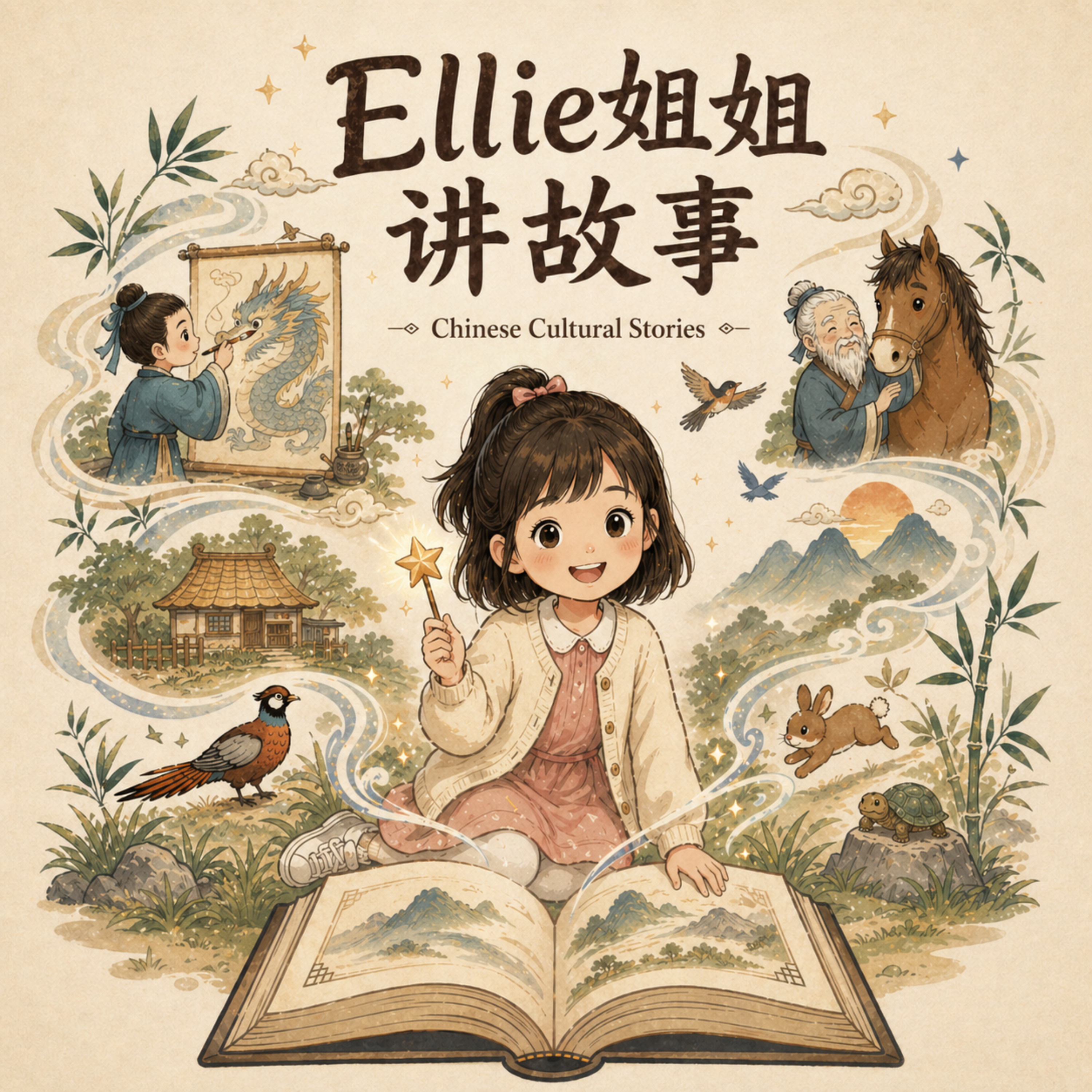

我是一位生活在澳洲的华人。从小听爸爸妈妈讲守株待兔、拔苗助长、司马光砸缸这些故事长大。现在,我也想把这些有趣的中文故事、文化记忆,讲给我的孩子听,也讲给远方的你们的宝贝听。
《Ellie 姐姐讲故事》是一档专为3-10岁小朋友打造的中文故事节目。第一季《成语寓言故事》,每期讲一个流传千年的中国成语或寓言,用简单生动的语言带孩子走进故事里的智慧;第二季《小小旅行家》是原创故事,跟着Max和家人一起“去旅行”,认识不同的城市、风景、历史、美食和人情。
每一集都适合睡前、旅途中和亲子时间收听,也欢迎正在学中文的大朋友一起来听。希望这些故事,陪孩子们在轻松愉快的声音里,慢慢爱上中文和它背后的文化记忆。
Ellie’s Story Time is a Mandarin podcast for children ages 3–10. Season 1 shares classic Chinese idioms and fables; Season 2 takes young listeners on story-based journeys through China. Perfect for bedtime, travel, family time, and Chinese learners of all ages.
Site
RSS
Apple
Data updated on 03/10/2026
Recent rankings
Latest chart positions across Apple Podcasts and Spotify rankings.
Shared links between episodes and podcasts
Links found in episode descriptions and other podcasts that share them.
See allRSS feed quality and score
Technical evaluation of the podcast's RSS feed quality and structure.
See allPublication history
Monthly episode publishing history over the past years.
© My Podcast Data · Independent project · Data from Apple & Spotify