Cut & Tell – Details, episodes & analysis
Podcast details
Technical and general information from the podcast's RSS feed.

Cut & Tell
Hippocratic Collective
Health & Fitness
Business
Society & Culture
Frequency: 1 episode/8d. Total Eps: 23

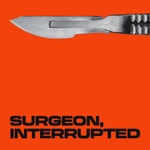
Cut & Tell is a real-time account of becoming a surgeon—at the exact moment the training wheels come off. Hosted by plastic surgery chief resident Elizabeth Malphrus, this show follows the transition from residency to “year one”: the first, most disorienting, and most defining stretch of a surgical career. It’s where the identity you’ve spent a decade building is suddenly tested—clinically, professionally, and personally. This is not a retrospective. It’s happening now. Through solo episodes, unfiltered conversations, and stories from inside the operating room and beyond, Cut & Tell explores what it actually takes to become a surgeon: the structure of training, the emotional cost, the invisible curriculum, and the tension between perfection and reality in a high-stakes field. It also asks harder questions—about trust in medicine, the role of physicians in a changing cultural landscape, and what it means to step into authority when you’re not sure you’re ready.
Site
RSS
Apple
Data updated on 11/10/2026
Recent rankings
Latest chart positions across Apple Podcasts and Spotify rankings.
Shared links between episodes and podcasts
Links found in episode descriptions and other podcasts that share them.
See allRSS feed quality and score
Technical evaluation of the podcast's RSS feed quality and structure.
See allPublication history
Monthly episode publishing history over the past years.
© My Podcast Data · Independent project · Data from Apple & Spotify