Conscious Paths – Details, episodes & analysis
Podcast details
Technical and general information from the podcast's RSS feed.
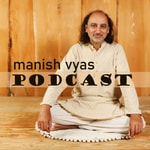
Conscious Paths
Manish Vyas
Arts
Religion & Spirituality
Health & Fitness
Frequency: 1 episode/57d. Total Eps: 40

For lovers of arts, traditions, culture inspired in the ancient wise India presented thru its different colors and manifestations. Inspirations about Mantra, Music, Meditation, Yoga, Mantras, Wisdom and Sciences from India. Sharing tools for Inner and outer growth and rich traditions.
Site
RSS
Apple
Data updated on 19/10/2026
Recent rankings
Latest chart positions across Apple Podcasts and Spotify rankings.
Shared links between episodes and podcasts
Links found in episode descriptions and other podcasts that share them.
See allRSS feed quality and score
Technical evaluation of the podcast's RSS feed quality and structure.
See allPublication history
Monthly episode publishing history over the past years.
© My Podcast Data · Independent project · Data from Apple & Spotify