AP Art History in 15 – Details, episodes & analysis
Podcast details
Technical and general information from the podcast's RSS feed.
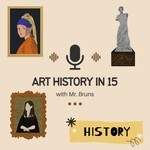

This podcast series is designed to help Advanced Placement (AP) Art History students gain an understanding of the "250" works of art and art history. The series will try to connect works of art and architecture to help students succeed in the AP Exam.
Site
RSS
Apple
Data updated on 05/10/2026
Recent rankings
Latest chart positions across Apple Podcasts and Spotify rankings.
Shared links between episodes and podcasts
Links found in episode descriptions and other podcasts that share them.
See allRSS feed quality and score
Technical evaluation of the podcast's RSS feed quality and structure.
See allPublication history
Monthly episode publishing history over the past years.
© My Podcast Data · Independent project · Data from Apple & Spotify