Walking Distance – Détails, épisodes et analyse
Détails du podcast
Informations techniques et générales issues du flux RSS du podcast.
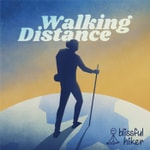
Walking Distance
Blissful Hiker (Alison Young)
Fréquence : 1 épisode/13j. Total Éps: 21

Classements récents
Dernières positions dans les classements Apple Podcasts et Spotify.
Apple Podcasts
🇨🇦 Canada - wilderness
31/01/2026#99🇨🇦 Canada - wilderness
30/01/2026#58🇨🇦 Canada - wilderness
29/03/2025#79🇫🇷 France - wilderness
27/02/2025#95🇫🇷 France - wilderness
26/02/2025#82🇫🇷 France - wilderness
25/02/2025#82🇫🇷 France - wilderness
24/02/2025#77🇫🇷 France - wilderness
23/02/2025#73🇫🇷 France - wilderness
22/02/2025#58🇫🇷 France - wilderness
21/02/2025#58
Spotify
Aucun classement récent disponible
Liens partagés entre épisodes et podcasts
Liens présents dans les descriptions d'épisodes et autres podcasts les utilisant également.
See all- https://gossamergear.com/?rfsn=2017538.0cd2c9
243 partages
- https://backcountryfoodie.com/
69 partages
- http://www.johnreamer.com/
8 partages
Qualité et score du flux RSS
Évaluation technique de la qualité et de la structure du flux RSS.
See allScore global : 68%
Historique des publications
Répartition mensuelle des publications d'épisodes au fil des années.
#21 | Faithful Hiking ft. Tamra Neblett-Hemmila
Saison 1 · Épisode 21
mardi 7 décembre 2021 • Durée 36:43
In this episode of Walking Distance presented by The Trek and hosted by Blissful Hiker (Alison Young), we are joined by Tamra Neblett-Hemmila, a 28-year-old long distance backpacker from Saint Paul, Minnesota. Tamra also happens to be black, Latina and Muslim; she was quite visible on the CDT this past season, practicing her faith by wearing a sport hijab on trail. If she seemed “uncommon” on the trail, her story is universal to hikers.
Blissful Hiker covers how Tamra practiced her faith on trail, trail magic on the CDT, and the emotions and practicalities of quitting a long distance trail.
Garage Grown Gear discount code: Use code “distance10” to save 10% at garagegrowngear.com.
Gossamer Gear discount code: Use code “walkingdistance” to save 15% off your cart at GossamerGear.com.
Interview with Tamra Neblett-Hemilla
2:48 - Where was your winter shakedown hike for the CDT and what was it like?
3:54 - You mentioned your husband Eli, and we actually met through him. He mentioned his wife was hiking the CDT alone; why did you go alone and how did that effect your relationship dynamic?
5:34 - Did you take a Garmin In-Reach and check in with Eli that way?
6:00 - So you’re in contact every day, but you’re still alone out there. And the CDT is probably the most difficult long trail in the U.S.; why did you start there?
6:49 - Do you have a trail name? And how did you get the name?
8:00 - Did you make your own meals for yourself before you jumped into the trail?
8:35 - I did see a recipe on your Facebook, a tuna hot dish. So Minnesota! What’s in it?
9:12 - So, Tamra, you are black, Latina, and Muslim. Did you meet many people that looked like you on trail?
9:58 - So you did wear a hijab, a sport hijab on trail. I’m curious about that, where did you get yours?
10:30 - For those of us who aren’t knowledgeable, what is the purpose and importance of the hijab in the Muslim faith?
11:33 - How did your hijab fit on your head and how did it feel?
12:10 - What else did you wear on your hike?
12:42 - Do you think there are misconceptions about Muslim women being athletic? Did you find in your faith that there’s a resistance to women being athletic or being alone in the outdoors?
14:31 - What were the reactions from people you met and other hikers?
16:00 - So you mentioned timing your breaks for prayer every day. Did you take a prayer rug? And did you need to orient yourself towards Mecca every time?
16:43 - I’m curious about how it felt to pray every day outdoors; did you feel like it was more intentional or more intense for you?
19:42 - I wanted to go back to your hike experience and what your favorite parts were. What was your experience of New Mexico?
21:37- You mentioned the Gila River, and I believe that’s where you met someone who I met on the PCT, Crazy Eyes? And he offered you this type of trail magic that only happens from one hiker to another, what was that like?
#20 | Bear Safety ft. Tom Smith
Saison 1 · Épisode 20
mardi 23 novembre 2021 • Durée 53:58
In this episode of Walking Distance presented by The Trek and hosted by Blissful Hiker (Alison Young), we are joined by Tom Smith, a professor of wildlife sciences at Brigham Young University in Utah. Initially Smith’s research specialities included bighorn sheep and caribou, but when he began working at Katmai National Park in Southwest Alaska, he shifted to studying the most common animal there: bears. In the last 20 years, Smith has conducted research in Alaska, India, and in bear country in the lower 48 states.
Blissful Hiker covers why it’s important to have bear deterrent, rules of thumb about making noise while on the trail, methods to bear-proof a campsite, and explains what conventional bear wisdom still holds true.
Garage Grown Gear discount code: Use code “distance10” to save 10% at garagegrowngear.com.
Gossamer Gear discount code: Use code “walkingdistance” to save 15% off your cart at GossamerGear.com.
Interview with Tom Smith
2:00 - Introduction to ‘bear country’ and Tom Smith
3:42 - What are your thoughts on Timothy Treadwell, and his involvement in Katmai National Park with bear environmentalism?
5:12 - Our podcast is for hikers and backpackers, and to help people feel safe and capable outdoors. One thing you’ve already mentioned is bear deterrent, so could you break down what bear spray is and how to use it best?
9:00 - I’ve read articles about people spraying bear spray around their tent, which is definitely not the correct use. Is there data on that?
12:00 - Does bear spray train bears to stay away from humans? Is there any data that bears might associate the pain of bear spray with humans if they experience it?
12:50 - I’m a bit embarrassed to share this story, but last July I was in Glacier National Park, and I hiked alone at dawn in bear country. I didn’t see any bears, but I was playing with fire, wouldn’t you say?
17:22 - Glacier rangers told me that bears are curious, and that bear bells and some other noises like singing might actually attract them. What do you know about that?
19:32 - People who go on long distance trails, for instance I was on the Continental Divide Trail, often hike alone. I wonder if there’s a rule of thumb about making noise if you’re alone and you want to ward bears off?
22:24 - You said something really interesting, that in Yellowstone or Glacier the bears are more aggressive than on the coastline of Alaska, for instance. Why is that?
26:53 - We’ve spoken a lot about food storage on Walking Distance, from cooking and eating away from where you camp, using a bear can, and pack away smelly items. But you’ve mentioned other things that aren’t as obvious, such as not using very smelly shampoo, and that gas canisters can attract bears.
33:47 - Let’s shift to bear encounters; as you’ve said, most bears are risk averse, and they don’t want to fight with us. But in the rare instance that a bear is charging you, what do you do?
36:50 - How do you bear-proof a campsite?
39:40 - Would you even use your bear-proofing methods in Montana?
41:40 - The most s
#11 | "Miranda in the Wild" ft. Miranda Webster
Saison 1 · Épisode 11
mercredi 21 juillet 2021 • Durée 32:12
In this episode of Walking Distance presented by The Trek and hosted by Blissful Hiker (Alison Young), we are joined by Miranda Webster, the star of REI’s Youtube series, “Miranda in the Wild.” Beginning her career as a cashier at REI, Miranda now educates new backpackers about everything from meal planning, how to wash gore tex, and most popularly, how to poop in the woods.
Blissful Hiker covers the Youtube filming process, how Miranda relates to her Youtube audience, and advice to others hoping to break into the outdoor industry.
Gossamer Gear discount code: Use code “walkingdistance” to save 15% off your cart at GossamerGear.com.
Walking Distance is sponsored by John Reamer and Associates. Go to www.johnreamer.com to learn more.
Interview with Miranda Webster
1:48 - Background on Miranda and “Miranda in the Wild”
2:50 - First of all, AOC reposted you on Instagram? What did she repost and how did you feel about it?
4:37 - How does it feel that you’ve helped someone of her stature to start backpacking? You’ve ushered a new person into the world of backpacking.
5:20 - You do have a dream job - how did you make the transition from being a backpacker to working in the outdoor industry?
7:18 - You embody the type of spirit the REI brand is after. Who came up with the idea of “Miranda in the Wild”? Did you go from cashier to Youtube star?
11:10 - What’s so great about the series is that you’re just being yourself. Who works with you, and what are your producers like?
11:54 - Do you write out what you’re going to say, or does it grow organically?
12:57 - Have you ever had any weird video fails?
14:27 - Why do you think the video format works so well?
15:40 - Sometimes there’s a feeling that to backpack, you have to be perfect and look like the Patagonia ads. So you putting the real process out there and sometimes looking silly on the trail, is relatable to everyone.
19:07 - How did you find your niche talking about relieving yourself in the outdoors?
20:00 - How does REI feel about your approach on video, being natural and laid back?
21:35 - There’s a lot of burping, and a lot of bleeping of swear words. How does that work out with your job contract?
22:48 - Do you have a favorite video you’ve created? I really enjoyed the backpacking hygiene video.
24:20 - For people listening, you’re talking about doing a video spending only $200 to do a backpacking trip with gear.
25:05 - How do you balance your personal trips with your adventures for “Miranda in the Wild”?
26:47 - Do you feel like being a well known figure in the outdoor industry has changed anything about your experiences in the outdoors? Do people recognize you?
28:25 - Do you have advice for people looking to break into the outdoor industry?
29:30 - What do you want your career to
#10 | Sing Peak ft. Yenyen Chan & Jack Shu
Saison 1 · Épisode 10
mardi 6 juillet 2021 • Durée 26:35
In this episode of Walking Distance presented by The Trek and hosted by Blissful Hiker (Alison Young), we dive into the formation of the National Park Service, and the backcountry chef behind Yosemite: Tie Sing. Sing, a Chinese-American working in the early 1900s in the midst of intense hostility towards Asian-Americans, persisted through working for national parks. Known as the “gourmet chef of the Sierra” and “the philosopher of the Sierras,” Sing Peak in Yosemite National Park is named after Tie Sing. To tell Tie Sing’s story, Blissful Hiker is joined by Yenyen Chan, a Yosemite Ranger, and Jack Shu, former Superintendent of California Parks and Recreation.
Blissful Hiker covers the history of Asian-Americans in America’s National Parks, efforts against Asian-American hate, and how we all can pay homage to Tie Sing today.
Gossamer Gear discount code: Use code “walkingdistance” to save 15% off your cart at GossamerGear.com.
Walking Distance is sponsored by John Reamer and Associates. Go to www.johnreamer.com to learn more.
1:04 - “Scenery is a splendid thing when viewed by a man in a contented frame of mind. Give him a poor breakfast after he has had a bad night's sleep, and he will not care how fine your scenery is.” - Stephen Mather
2:45 - Background on Tie Sing, the Chinese-American backcountry cook who made early excursions into future national parks possible in the early 1900s.
Interview with Yenyen Chan
3:20 - What was Tie Sing like?
4:04 - Tie Sing was an American who lived during a time of intense hostility towards Asian-Americans; they persisted and found jobs where they could, usually at hotels and road crews that benefitted national parks.
5:22 - Two roads built by Chinese-Americans through Yosemite are the Tioga and Wawona roads; the Tioga Road connects the valley to the east side and is the highest road in California.
6:35 - Tie Sing was the chef for the US Geological Survey, which spent a good deal of time in the backcountry. Mather recruited Sing to convince VIPs that a National Parks Service needed to be created, but also to inspect the route for the John Muir Trail.
8:32 - Robert Sterling Yard, a friend of Mather, was hired to chronicle the journey of the National Parks. He wrote about Tie Sing and his extraordinary cooking.
10:03 - Tie Sing knew how important meals with VIPs were. He contributed in a way that influenced their decision making, by writing them personalized notes at their place settings.
12:17 - Tie Sing had already made his mark before impressing the VIPs. In 1899, the chief geographer named a peak after Tie Sing on Yosemite’s park boundary, called Sing Peak.
Interview with Jack Shu
13:30 - Jack Shu worked as the Superintendent of California Parks and Recreation, and was board president of the Cleveland National Forest Foundation. His career has been about encouraging large institutions such as the National Park Service to tell more inclusive stories about heritage.
14:00 - Shu points out that institutional change is difficult, especially with institutions that are revered and have storied histories already. Shu wasn
#09 | Hiking with Kids ft. Gayheart Family, Percy Family & Heather Balogh Rochfort
Saison 1 · Épisode 9
mardi 22 juin 2021 • Durée 35:31
In this episode of Walking Distance presented by The Trek and hosted by Blissful Hiker (Alison Young), we are joined by Jason Gayheart, Heather Balogh Rochfort, and Kayla and Fynleigh Percy. Jason Gayheart, lives in South Carolina and will be hiking the Continental Divide Trail this summer with his wife Jackie and their three children, ages 16, 12 and 8. Heather Balogh Rochfort, who you might remember from the first episode of Walking Distance, recently co-founded WildKind Closet, a non-profit that offers low cost outdoor gear rental to families. She also released the book Moms Who Hike - Walking with America’s Most Inspiring Adventurers. Kayla Percy and her 7 year old daughter Fynleigh are currently NOBOs hiking the Appalachian Trail. Unlike the Gayheart family or Balogh Rochfort family, Kayla is a single mom conquering the trail with Fynleigh.
Blissful Hiker covers how to include kids in the logistics and planning of a long hike, the most common questions about gear for kids, and motivation for kids during hard days on the trail.
Gossamer Gear discount code: Use code “walkingdistance” to save 15% off your cart at GossamerGear.com.
Walking Distance is sponsored by John Reamer and Associates. Go to www.johnreamer.com to learn more.
Interview with Jason Gayheart
1:35 - Introduction to Jason Gayheart and his family, who are hiking the Continental Divide Trail this summer.
2:50 - As an east coast family, why not hike the Appalachian Trail? How did the plan come to be, and how did you make it work to hike with your whole family?
3:09 - Why a thru-hike?
3:30 - You mention school, so how did you handle schooling for your children?
4:10 - So, this should be the ultimate family vacation! Was that the intention?
4:54 - Have you always had your kids hiking with you, since they were babies?
5:34 - I’m wondering about each of the kids. What is each of their hiking styles, and how do they push each other along?
6:22 - How are you managing the logistics? Does everyone carry their own things? How do you manage tents?
7:15 - How do you manage cooking and food for five people?
7:55 - This must be a real learning experience for your children too, what do you think?
8:15 - What are you looking forward to the most on trail?
9:10 - There’s plenty of dangerous things you’ll encounter on trail. How are you preparing the kids for that?
10:25 - You talk about taking the experience as it comes, but it is a thru-hike and you need to plan to make miles to complete it. What are your mileage goals?
12:00 - Someone commented on the CDT Facebook page where Jason and Blissful Hiker connected, kids can do anything; it’s often adults that hold them back. Jason’s youngest son is a few months younger than Buddy Backpacker, so setting a new record is a good motivator for the family to finish.
Interview with Heather Balogh Rochfort
#08 | Emily Ford
Saison 1 · Épisode 8
mardi 8 juin 2021 • Durée 29:38
In this episode of Walking Distance presented by The Trek and hosted by Blissful Hiker (Alison Young), we are joined by Emily Ford, the first woman and person of color to thru-hike Wisconsin’s 1,200 mile Ice Age Trail in winter. Emily is from Duluth, and the head gardener at the historic Glensheen Mansion. She completed her Ice Age thru-hike with a dog she cherished, Alaskan husky Diggins.
Blissful Hiker covers the unique loneliness of solo backpacking, humanity’s relationship with wilderness, and Emily’s perspective on what her hike means for people of color.
Gossamer Gear discount code: Use code “walkingdistance” to save 15% off your cart at GossamerGear.com.
Walking Distance is sponsored by John Reamer and Associates. Go to www.johnreamer.com to learn more.
Interview with Emily Ford
1:43 - Background on Emily Ford and the Ice Age trail
3:03 - This winter was mild for Wisconsin standards, but weather standards are different for normal activities and for hiking. How was it to hike in the Wisconsin winter?
4:12 - What did you pack? I read that you carried 60 pounds.
5:30 - Can you talk about your sleep system? What was the rating for your sleeping bag?
5:50 - What stayed the whole trip and what did you get rid of?
6:20 - You said there wasn’t much snow in the beginning, but I just imagine postholing. How did you stay upright in the snow?
7:14 - You mentioned that you cried. Do you want to share any reasons that happened?
8:58 - Can you introduce us to Diggins? She’s also at the forefront when you’ve talked about your thru-hike. Where did she come from and what was your relationship like?
10:32 - Was Diggins there to help you cut trail, or mostly for companionship?
11:34 - You got into backpacking more as an adult? How did you learn about the Ice Age trail and why did you choose it?
12:14 - More than half the trail is footpaths, and some are connected routes. How did you plan where to camp and how you were going to walk it?
13:38 - I heard you had great trail angels and trail magic along the way, what happened?
16:08 - This is the biggest trip Emily has taken, but choosing something that hasn’t been done before fits along with who Emily is.
18:15 - One of the reasons why Emily loves backpacking is the solo aspect of it, the opportunity to think alone and think a lot, to dig into deeper psyches.
20:05 - I love that in one of your posts you quote some children you met, and one asked if you ever get bored. Did you?
21:30 - In one of your posts, you reacted to the wolf slaughter in Wisconsin where 216 wolves were killed in 3 days. You wrote about owning the wilderness as another way of privileging ourselves. How do you see yourself on the trail and in the wilderness?
23:22 - Right now as we’re speaking, it’s the first day of the trial for the police officer who killed George Floyd. You’ve done something amazing
#07 | Dan Durston
Saison 1 · Épisode 7
mardi 25 mai 2021 • Durée 26:23
In this episode of Walking Distance presented by The Trek and hosted by Blissful Hiker (Alison Young), we are joined by Dan Durston, a biologist, Canadian gear designer, and owner of Durston Gear. Durston hiked the Great Divide Trail in the Canadian Rockies as well as the Pacific Crest Trail, and also holds some Fastest Known Times – of the Stein Traverse in British Columbia and the Bob Marshall Wilderness in Montana. Dan uses his backpacking expertise to design simple and light outdoor equipment.
Blissful Hiker covers Dan’s evolution from gear reviews to gear designs, the inevitable compromises made when designing and selecting gear, and how gear can unite the hiking community.
Gossamer Gear discount code: Use code “walkingdistance” to save 15% off your cart at GossamerGear.com
Interview with Dan Durston
1:30 - Dan Durston is a self described nerd, someone who likes analytical problem solving. While hiking the Great Divide Trail, he used the time to think about how to optimize his gear, and eventually founded Durston Gear.
2:48 - After discovering the ultralight community, Dan was determined to adopt the style.
3:48 - You compare setting up gear in your backyard and setting up in a rainstorm, which are very different. You think about if gear will really work under difficult circumstances.
5:22 - You said a single pole pyramid is what you aspire to, can you talk about that?
6:22 - So on the PCT, you were using other peoples’ gear, and thinking about how to make them better?
7:26 - You said something about how gear companies use the phrase “no compromises,” and how that isn’t true. What are the inevitable compromises?
8:12 - Can you briefly describe how your tent works?
10:13 - How did you get started? At first you just wanted to modify your gear, which required a sewing machine. What was that experience?
12:05 - Dan taught himself the basics of sewing via Youtube. He’s also been active for years on gear sites, which served as his introduction to the industry.
13:40 - Your gear modification seems like it was serving your own hiking. Why did you decide to start a company?
15:58 - One of the things I noticed on your website is that you use polyester, and not Dyneema. Why not?
17:27 - Earlier you mentioned loving what you’re doing because of the community, and we learn things from each other. You're on your own doing this company, but there’s community feedback.
19:25 - One idea I got after reading about your backpack is the issue of not being able to find what I need when I’m thru hiking. You seem to have thought about that a lot when designing your pack.
21:05 - I wanted to ask you about you continuing your hiking. How do you find the time?
22:00 - What about seeing other hikers’ experiences, and how have you seen hiking change since you’ve been in the community?
24:32 - Dan also holds some Fastest Known Times – of the Stein Traverse in British Columbia and the Bob Marshall Wilderness in Montana.
Mentioned in this episode:
#06 | Giving Back with Andrew Downs & Gina Knox
Saison 1 · Épisode 6
mardi 4 mai 2021 • Durée 30:36
In this episode of Walking Distance presented by The Trek and hosted by Blissful Hiker (Alison Young), we are joined by Andrew Downs, the Senior Regional Director of the Appalachian Trail Conservancy (ATC) - South, and Gina Knox, a 2021 Granite Gear Groundskeeper. Downs thru hiked the AT in 2002, and has a volunteer-first approach to protecting and maintaining the Appalachian Trail. Gina Knox has postponed her AT thru-hike for 2021, and is instead dedicated to cleaning up 300 miles of public lands.
Blissful Hiker covers how hikers can become trail volunteers, how COVID has impacted the cleanliness of outdoor spaces, and the logistics of packing out pounds of trash from the trail.
Listen
Gossamer Gear discount code: Use code “walkingdistance” to save 15% off your cart at GossamerGear.com
Interview with Andrew Downs
1:00 - The AT has many trail maintainers, which some hikers might find to be surprising.
2:00 - Hikers can sometimes take the trail for granted, as something that has always been there.
2:55 - The trail itself is almost 100% permanently protected, but the areas around the trail are not.
3:40 - Volunteers built the trail before the ATC and Parks Service was involved in the maintenance of the trail.
4:55 - Some hikers have a disconnect with trail crews and an understanding of how trails have to be maintained. How do you invite hikers in to participate?
8:27 - COVID has brought many people outside, and many are acting irresponsibly. How do you educate people and change attitudes to have reverence for this land?
12:11 - A lot of what we’ve been talking about during COVID is being grateful for what we have and can do even in a rough patch of our lives. What are you grateful for?
13:50 - Downs gives hikers a “wander based experience” by managing an army of volunteers.
14:30 - There are many ways to get involved in the AT if you live close by. If you live farther away, there are still options to travel and volunteer. The ATC also sponsors a diversity program to help bring underserved communities to the trail.
Interview with Gina Knox
15:39 - Gina’s picking up trash on the trail as a Granite Gear groundskeeper, and getting appreciation from other hikers.
16:55 - Gina’s introduction to hiking was on the Ice Age trail in Wisconsin, when her earth science teacher took the class to experience the power of glaciers.
17:15 - Gina’s photographs of the outdoors are stunning; her philosophy is to use her camera as a tool to show where she is, rather than going on hikes specifically for photo-worthy subjects. But some of the things she saw made her dismayed.
19:14 - You’re a 2021 Granite Gear groundskeeper, which means you’re committed to packing out trash for 300 miles of public land. How do you manage your own hike and the logistics of packing trash out?
21:18 - As you keep track of your garbage, do you also keep track of your distance?
22:06 - You brought up COVID, which has changed our habits in a lot of ways. One part of that is way more trash outside. What do you think
#05 | Backcountry Food ft. Aaron Owens Mayhew
Saison 1 · Épisode 5
samedi 17 avril 2021 • Durée 25:10
In this episode of Walking Distance presented by The Trek and hosted by Blissful Hiker (Alison Young), we are joined by Aaron Owens Mayhew, a registered dietician and thru hiker. In 2017, Mayhew left her career to thru hike the PCT, and has since section hiked some of the AT and the Oregon Coast Trail. She’s also the founder of Backcountry Foodie, a site that she runs with her husband, Chris, to provide meal plans and shopping lists, community forums, masterclasses and other resources surrounding hiking food.
Blissful Hiker covers why the two lb/day backpacking food principle may be a myth, how to pack more calories into less space in your pack, and how to stay high energy on the trail with carbs, proteins, and fats.
Gossamer Gear discount code: Use code “walkingdistance” to save 15% off your cart at GossamerGear.com
Interview with Aaron Owens Mayhew
1:00 - How did your hiking food evolve over time?
2:10 - One of the most vexing problems backpackers have is deciding what to eat. How do we carry all the food we want and need?
2:50 - Background on Backcountry Foodie
3:40 - How did you get into your business?
4:20 - You touched on the 2 pound principle for backpacking food. Why is that a myth?
5:15 - Is your main angle to allow yourself to focus on nutrition and calories first, and weight of the food second?
6:10 - Do you have general staples that people should be thinking of?
7:15 - In bear country, you have to pack your food into a bear canister, which some hikers find difficult. What’s your method?
8:15 - You mentioned dehydrated quinoa, and I want to ask for any listeners who might be thinking, isn’t quinoa already dry? What’s the dehydrating step?
9:20 - Another concern is the amount of time hikers spend at home preparing their food, if they choose.
10:35 - You mentioned quinoa and pasta as dry food bases. Would you put anything else on that list?
11:25 - You mentioned oils, and I never feel that I can take it with me, because I’m such a messy backpacker. How do you carry oil without making a mess, and the importance of it?
13:20 - It’s important to stay ahead of possible health problems or deficiencies by packing the right foods, and eating at the right times too.
15:15 - Backpacking and diets just don’t mix. Why do we crave salt and sugar so much on the trail?
16:40 - Your meal plans are cross referenced with a typical pantry. Can you talk about that?
17:25 - Do you have any recommendations about eating 3 meals a day, or snacking, or is it individual?
17:57 - I mentioned getting into Backcountry Foodie was a real game changer for me, and one of the big changes was starting to cold soak. Do you cold soak, or do you recommend it?
19:40 - You have a recipe for us today, which was one of my go-tos. What is it?
20:45 - You mentioned hiker hunger, and I’m thinking of bonking,
#04 | Backcountry Safety ft. Dr. Elizabeth Andre & Molly Herber
Saison 1 · Épisode 4
mardi 13 avril 2021 • Durée 29:54
In this episode of Walking Distance presented by The Trek and hosted by Blissful Hiker (Alison Young), we are joined by Dr. Elizabeth Andre, an associate professor of nature and culture at Northland College, and Molly Herber, a project manager for NOLS. Dr. Elizabeth Andre has instructed white water canoeing, mountaineering, and dog sledding at Outward Bound, joined a National Geographic dog sled expedition across the Canadian Arctic in 2007, and teaches a course on outdoor safety. Molly Herber is the Creative Project Manager at NOLS in Wyoming.
Blissful Hiker covers the basics of human psychology geared towards safety, the theories of risk homeostasis and heuristics, and how to practice “negative thinking” to be more safe on the trail.
Gossamer Gear discount code: Use code “walkingdistance” to save 15% off your cart at GossamerGear.com
Interview with Dr. Elizabeth Andre
3:00 - Introduction to outdoor safety in psychological theory
3:47 - How does our limbic system inform our decisions?
6:20 - What does risk homeostasis mean?
7:34 - It’s important to take courses on wilderness first aid and anything that will help you be safe. But you have to balance that with the right attitude towards safety on the trail as well.
8:36 - Alison recalls her scariest outdoor scenario. How much of feeling in control or having control is just an illusion?
10:02 - Recognizing that we have a natural propensity for optimism that might help us in the frontcountry, but hurt us in the backcountry, is important.
10:45 - Can you explain heuristics?
12:40 - This past winter, two teams of Nepali climbers submitted K2, and it was an incredible feat. But they were incredibly prepared, having many plans. Do you have a list of simple things that we can do that are simple back up plans?
14:24 - What’s a way we can reshape our thinking to be a bit more negative, or realistic?
15:48 - There’s one phrase I repeat for how to be successful in the backcountry, which is “be deliberate.” Do you have a phrase?
Interview with Molly Herber
20:30 - Where do you start with basic safety concerning animals on trail?
22:06 - What about inclement weather, especially concerning thru-hikers who might not be able to check the weather forecast while on trail?
24:00 - What other kinds of weather should hikers be aware of as a possibility?
25:30 - Every NOLS instructor must be certified as a wilderness first responder. What guidance did that course give you?
26:20 - Can you speak about having a level head and how to make safety decisions on trail?
Mentioned in this episode:
Podcasts Similaires Basées sur le Contenu