The Science Chick Report: Evidence You Can Use for Real-World Women's Health – Détails, épisodes et analyse
Détails du podcast
Informations techniques et générales issues du flux RSS du podcast.
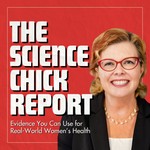
The Science Chick Report: Evidence You Can Use for Real-World Women's Health
Kathleen Kendall-Tackett
Forme & Santé
Fréquence : 1 épisode/22j. Total Éps: 12

Hosted by Dr. Kathleen Kendall-Tackett, The Science Chick Report brings women’s health research you can trust to the people holding it all together: birth workers, lactation consultants, doulas, midwives, mental health providers, and nurses. Every episode turns the latest science into practical tools, helping you advocate, recover, and stay grounded in the work you love, even when it feels like you’re doing it alone.
Site
RSS
Apple
Classements récents
Dernières positions dans les classements Apple Podcasts et Spotify.
Liens partagés entre épisodes et podcasts
Liens présents dans les descriptions d'épisodes et autres podcasts les utilisant également.
Voir plusQualité et score du flux RSS
Évaluation technique de la qualité et de la structure du flux RSS.
Voir plusHistorique des publications
Répartition mensuelle des publications d'épisodes au fil des années.
© My Podcast Data · Projet indépendant · Données issues d'Apple & Spotify