The Hormone Nutrition Podcast – Détails, épisodes et analyse
Détails du podcast
Informations techniques et générales issues du flux RSS du podcast.
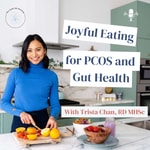
The Hormone Nutrition Podcast
Trista Chan RD MHSc
Forme & Santé
Fréquence : 1 épisode/15j. Total Éps: 81

Welcome to The Hormone Nutrition Podcast - the ultimate podcast for you to learn how to find relief from hormonal and digestive pains while preserving the pleasure of eating.
You’ll learn from your host, Trista Chan, Registered Dietitian and Founder of Nest & Nurture Health, along with guest experts on how to understand your body through science and mind-body connection, and which diet trends to ignore and explore - all with an accessible and inclusive lens.
We believe nutrition should be built on the principle of good food for a good life.
Site
RSS
Apple
Données mises à jour le 09/09/2026
Classements récents
Dernières positions dans les classements Apple Podcasts et Spotify.
Liens partagés entre épisodes et podcasts
Liens présents dans les descriptions d'épisodes et autres podcasts les utilisant également.
Voir plusQualité et score du flux RSS
Évaluation technique de la qualité et de la structure du flux RSS.
Voir plusHistorique des publications
Répartition mensuelle des publications d'épisodes au fil des années.
© My Podcast Data · Projet indépendant · Données issues d'Apple & Spotify