The Curious Cardiologist – Détails, épisodes et analyse
Détails du podcast
Informations techniques et générales issues du flux RSS du podcast.
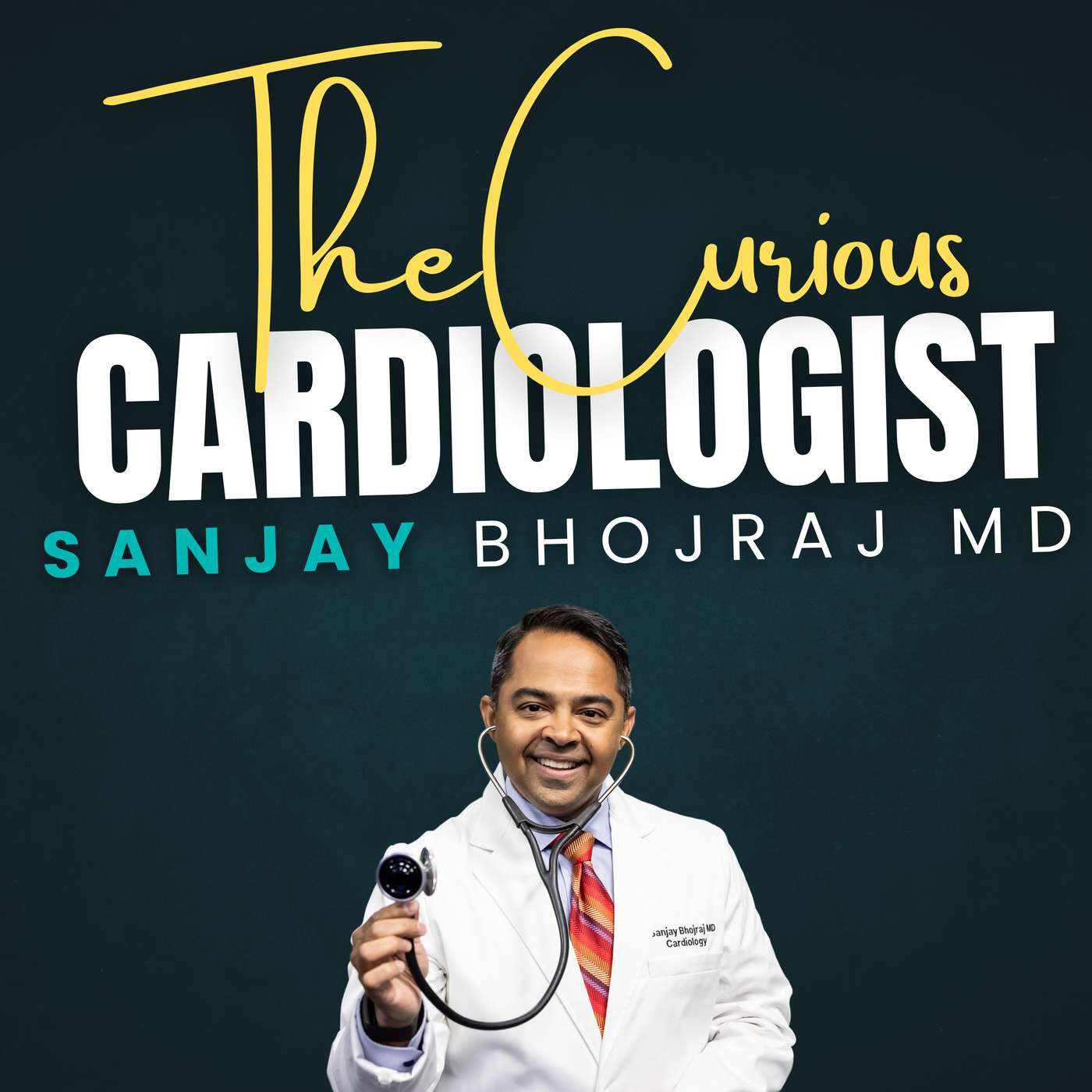
The Curious Cardiologist
Sanjay Bhojraj MD
Fréquence : 1 épisode/15j. Total Éps: 12

Classements récents
Dernières positions dans les classements Apple Podcasts et Spotify.
Apple Podcasts
🇨🇦 Canada - medicine
29/12/2025#75🇨🇦 Canada - medicine
28/12/2025#39🇺🇸 États-Unis - medicine
25/12/2025#93🇺🇸 États-Unis - medicine
24/12/2025#73🇺🇸 États-Unis - medicine
23/12/2025#71🇺🇸 États-Unis - medicine
22/12/2025#67🇬🇧 Grande Bretagne - medicine
20/09/2025#76
Spotify
Aucun classement récent disponible
Liens partagés entre épisodes et podcasts
Liens présents dans les descriptions d'épisodes et autres podcasts les utilisant également.
See all- https://functionalmedicinecoaching.org
50 partages

- https://learn.memoryair.com
2 partages

- https://drspencerzimmerman.com/
1 partage
- https://www.instagram.com/doctorsanjaymd
7 partages

- https://www.instagram.com/thenotdoc
1 partage
- https://twitter.com/thenotdoc
1 partage
Qualité et score du flux RSS
Évaluation technique de la qualité et de la structure du flux RSS.
See allScore global : 74%
Historique des publications
Répartition mensuelle des publications d'épisodes au fil des années.
The Not Doc: Homes, Light, Emotions and the Hidden Roots of Health
Épisode 6
lundi 15 septembre 2025 • Durée 01:20:05
In this episode of The Curious Cardiologist Podcast, Dr. Sanjay Bhojraj sits down with Daniel Brown—aka “The Not Doc”—a real estate developer turned health thinker with a radical perspective: nearly all chronic illness can be traced back to lifestyle or emotions.
Together, they dive into how our homes, lighting, water, and environment directly shape our health, and why paying attention to these often-overlooked factors may be just as important as diet and exercise. Daniel shares how he evolved from building houses to building healthier houses—and why feeling safe, supported, and aligned in your own space is essential for well-being.
Highlights of the conversation include:
- 🏠 Healthy Homes: Why modern houses may be harming us—and the design tweaks that can restore balance.
- 💡 Light as Medicine: How artificial light disrupts circadian rhythms, hormones, and metabolism—and how to fix it.
- 💧 Water Wisdom: Filters, remineralization, and why your shower might matter more than your drinking glass.
- 🧠 The Power of Emotions: Daniel’s personal story of reversing autoimmune pain by addressing unresolved trauma.
- ⚡ Two Root Causes: Why most chronic disease comes down to lifestyle or emotional health—and how you can reclaim control.
- 🌱 Simple First Steps: From adding electrolytes to walking outside, unsexy habits often beat expensive hacks.
This episode blends functional medicine, evolutionary biology, and real-world practicality into a fresh lens on what it truly means to live well.
🔗 Connect with Daniel Brown
- Instagram: @thenotdoc
- Twitter/X: @thenotdoc
🙌 Connect with Dr. Sanjay
Instagram: @doctorsanjaymd
Website: www.lagunamedicine.com
- Instagram: @doctorsanjaymd
POTS & Brain Fog: The HIdden Epidemic of Early Brain Failure
Épisode 5
lundi 1 septembre 2025 • Durée 01:03:24
In this episode of the Curious Cardiologist podcast, Dr. Sanjay Bhojraj and Dr. Spencer Zimmerman delve into the complexities of brain health, particularly focusing on postural orthostatic tachycardia syndrome (POTS) and its impact on cognitive function. They discuss the increasing prevalence of cognitive issues, especially in older populations and those recovering from long COVID. The conversation highlights the challenges patients face in the conventional medical system, including misdiagnosis and emotional distress. Dr. Zimmerman shares insights on the importance of early intervention, lifestyle changes, and the need for a holistic approach to treatment. The episode emphasizes the significance of understanding the interconnectedness of neurological, immune, and hormonal factors in managing conditions like POTS and cognitive decline.
Chapters
00:00 Introduction to Brain Health and POTS
02:25 Understanding Cognitive Issues and Patient Experiences
07:23 Early Warning Signs of Cognitive Decline
11:34 Evaluating Cognitive Health: Tests and Assessments
14:25 The Importance of Balance in Cognitive Function
16:47 The Impact of Falls on Elderly Patients
19:29 Challenging the Concept of Age-Appropriate Health
20:40 The Effects of Concussions on Cognitive Health
24:09 Exploring POTS: Symptoms and Diagnosis
29:09 Demographics and Diagnosis of POTS
33:09 Emotional Toll of POTS on Patients and Families
34:40 The Importance of Movement in POTS
36:27 Understanding Diagnostic Criteria for POTS
43:15 Neuroimmune Disorder: The Dual Nature of POTS
49:37 Lifestyle Changes for Managing POTS
56:53 Intensive Retreats for POTS Patients
Connect with Dr. Spencer Zimmerman:
Instagram: @drspencerzimmerman
WebsiteL https://drspencerzimmerman.com/
Let There Be Light: Harnessing Vitamin D to Supercharge Your Health
Épisode 4
vendredi 15 août 2025 • Durée 01:01:52
In this episode of the Curious Cardiologist podcast, Dr. Sanjay Bhojraj interviews David Letourneau, CEO of ENYRGY, about the innovative use of light therapy, particularly UVB light, to enhance vitamin D levels and improve overall health. They discuss the epidemic of vitamin D deficiency, the importance of optimal vitamin D levels, and the differences between oral supplementation and light-activated vitamin D. The conversation also covers the ENYRGY device, its research backing, and personal testimonials from users, emphasizing the potential of light therapy in preventive health and wellness.
www.enyrgy.com
Use code SB100 to get $100 off of your Enyrgy light!
Takeaways
Light therapy can significantly impact health by enhancing vitamin D levels.
UVB light has shown promising results in reducing mortality in critically ill patients.
Vitamin D deficiency is a widespread issue affecting a large percentage of the population.
Optimal vitamin D levels are higher than traditionally defined by the medical community.
The body has a remarkable capacity to heal itself with the right resources.
Oral vitamin D supplementation may not be as effective as light-activated vitamin D.
Sun exposure is crucial for vitamin D synthesis, but many people are not getting enough.
The ENYRGY device offers a precise and efficient way to increase vitamin D levels.
Research supports the link between vitamin D levels and various health outcomes, including cancer risk.
Light therapy represents a new frontier in functional medicine and preventive health.
Chapters
00:00 Introduction to Light Therapy and Vitamin D
03:09 The Impact of UVB Light on Health
06:03 Understanding Vitamin D Deficiency
09:17 The Importance of Optimal Vitamin D Levels
12:03 The Role of Vitamin D in Overall Health
14:51 Differences Between Oral and Light-Activated Vitamin D
17:53 The Science Behind UVB Light Therapy
20:57 The Device and Its Functionality
23:54 Research and Efficacy of the Device
27:07 Conclusion and Future Directions
34:56 Vitamin D Levels and Treatment Success
38:05 The Quest for Longevity and Health Span
40:27 The Importance of Vitamin D in Disease Prevention
43:49 Understanding Vitamin D Sources and Supplementation
46:09 The Role of Light Therapy in Vitamin D Activation
53:13 The Benefits of Optimal Vitamin D Levels
57:30 Personal Insights and Reflections on Health
Traumas, Dramas, and the Heart: Healing Emotional Roots for Lasting Health
Épisode 3
vendredi 1 août 2025 • Durée 52:47
Can Peptides Cure Chronic Kidney Disease? | Jul 15, 2025
Épisode 2
mardi 15 juillet 2025 • Durée 01:01:06
In this episode of the Curious Cardiologist podcast, Dr. Sanjay Bhojraj interviews Dr. Robin Rose, who shares her innovative approach to chronic kidney disease through functional medicine. They discuss the kidneys' vital role in overall health, the impact of diet and lifestyle on kidney function, and the emerging field of bioregulators. Dr. Rose recounts her personal journey with kidney health, emphasizing the importance of early intervention and personalized treatment plans. The conversation highlights the need for a holistic approach to kidney health, integrating dietary changes, bioregulators, and a deeper understanding of kidney function.
Takeaways
The kidneys play a crucial role in overall health and longevity.
Chronic stress and lifestyle factors can significantly impact kidney function.
Dietary choices, particularly plant-based diets, can improve kidney health.
Bioregulators are small peptides that can help repair and enhance kidney function.
Early intervention in kidney disease is essential for better outcomes.
Personalized treatment plans are necessary for effective kidney health management.
Monitoring biomarkers like creatinine and cystatin C is important for assessing kidney function.
Clotho protein is a key player in kidney health and longevity.
Functional medicine offers a holistic approach to managing chronic kidney disease.
The concept of a 'kidney-demic' highlights the rising prevalence of kidney disease in the population.
Chapters
00:00 Introduction to Functional Medicine and Chronic Kidney Disease
01:50 The Interplay Between Heart and Kidney Health
06:00 Personal Journey to Understanding Kidney Health
11:27 The Importance of Stress Management in Health
16:42 Dietary Considerations for Kidney Health
22:38 Exploring Bioregulators and Their Impact on Health
32:35 Personalizing Treatment Protocols
37:18 Understanding Biomarkers for Kidney Health
41:17 Exploring Clotho Protein and Its Implications
46:52 The Role of Peptides in Modern Medicine
52:24 Rethinking Kidney Health and Patient Empowerment
Is Heart Disease an Autoimmune Condition? with Dr Yousef Elyaman
Épisode 1
mardi 1 juillet 2025 • Durée 43:09
Summary
In the inaugural episode of the Curious Cardiologist podcast, Dr. Sanjay Bhojraj and Dr. Yousef Elyaman explore the concept of coronary artery disease as an autoimmune condition. They discuss the role of inflammation, the imbalance of T-helper and T-regulator cells, and the impact of lifestyle factors and toxins on heart health. The conversation delves into the glycocalyx, a newly recognized layer of the blood vessel, and the importance of dietary and lifestyle modifications in optimizing cardiovascular health. The episode concludes with rapid-fire questions that reveal personal insights from Dr. Elyaman.
Takeaways
Coronary artery disease may be viewed as an autoimmune condition.
Inflammation plays a significant role in heart disease.
The balance between T-helper and T-regulator cells is crucial for immune response.
Lifestyle factors can significantly influence autoimmune conditions.
Toxins and environmental factors can alter the body's immune response.
The glycocalyx is an important layer in understanding cardiovascular health.
Testing for autoimmune markers is still in the experimental phase.
Dietary modifications can help improve cardiovascular health.
Cold exposure may help regulate immune responses.
Living in alignment with our biological design is essential for health.
Chapters
00:00 Introduction to the Curious Cardiologist Podcast
02:01 Coronary Artery Disease: A New Perspective
05:05 The Role of Autoimmunity in Heart Disease
08:01 Understanding T-Cells and Inflammation
10:58 The Complexity of Heart Attacks
12:54 Optimizing T-Cell Ratios for Heart Health
15:13 Lifestyle Factors and Autoimmunity
19:39 The Impact of Toxins on Heart Health
22:21 The Glycocalyx: A New Layer of Understanding
25:43 Understanding Glycocalyx and Autoimmunity
28:46 Clinical Testing and Cardiovascular Health
31:37 Dietary and Lifestyle Modifications for Health
34:55 The Role of Molecular Mimicry in Autoimmunity
37:22 Rapid Fire Questions and Personal Insights
Doctors Diagnose, Coaches Activate: The Future of Patient Care with Sandra Scheinbaum PhD
Épisode 12
jeudi 18 décembre 2025 • Durée 58:00
In this episode of The Curious Cardiologist, Dr. Sanjay Bhojraj sits down with Sandra Scheinbaum, PhD, founder and CEO of the Functional Medicine Coaching Academy (FMCA), to explore why health coaching may be the most underutilized—and most powerful—tool in modern healthcare.
Together, they unpack the growing gap between what doctors say and what patients actually do, why behavior change is so difficult even when people know what’s “right,” and how trained health coaches dramatically improve outcomes for chronic disease, mental health, and lifestyle-related conditions.
Dr. Scheinbaum shares her journey from psychology and mind‑body medicine to founding FMCA, explains the science behind health coaching, and outlines how coaches integrate seamlessly into medical teams without replacing physicians. The conversation also tackles physician burnout, patient non‑adherence, Medicare reimbursement, and the future of collaborative care.
This episode is essential listening for clinicians, health system leaders, coaches, and anyone interested in sustainable health transformation.
Key Topics Covered
- Why the U.S. healthcare system struggles with outcomes despite record spending
- The communication gap between doctors and patients
- What health coaches actually do (and what they don’t)
- Why doctors are not trained to create behavior change
- The psychology of motivation, self‑efficacy, and lifestyle change
- Evidence and randomized trials supporting health coaching
- Health coaching for cardiometabolic disease, autoimmunity, mental health, and GLP‑1 users
- How health coaches reduce physician burnout
- Group coaching, community medicine, and peer support models
- Scope, certification, and avoiding “bad actors” in coaching
- Medicare reimbursement and collaborative care models
- Becoming a health coach: training, certification, and career paths
Episode Show Notes
Guest: Sandra Scheinbaum, PhD
Founder & CEO, Functional Medicine Coaching Academy
Certified through the Institute for Functional Medicine (IFM)
What You’ll Learn
- Why knowledge alone doesn’t change behavior
- How health coaches increase adherence, outcomes, and patient satisfaction
- Why patients are often more honest with coaches than doctors
- The role of self‑efficacy in healing and long‑term health
- How lifestyle interventions can improve anxiety, depression, and quality of life
- Why community and accountability matter more than willpower
Memorable Quotes
- “Doctors diagnose. Coaches help people change when change is hard.”
- “Genes are not destiny—daily habits matter more than people realize.”
- “Health coaching doesn’t replace medicine; it completes it.”
Resources Mentioned
- Functional Medicine Coaching Academy: https://functionalmedicinecoaching.org
- National Board for Health & Wellness Coaching (NBHWC)
The Perimenopause Reset: Anxiety, Brain Fog, and Hormones Explained with Dr. Jen
Épisode 11
mercredi 3 décembre 2025 • Durée 01:01:40
In this episode, Dr. Sanjay Bhojraj speaks with Dr. Jennifer Pfleghaar about her transition from emergency medicine to integrative medicine, focusing on the importance of lifestyle changes, the challenges of conventional medicine, and the need for personalized care, especially in women's health during perimenopause. They discuss the impact of pharmaceuticals, the role of hormones, and the significance of education in health. Dr. Jen also shares insights from her book, 'The Perimenopause Reset,' which aims to help women navigate this critical phase of life.
Takeaways
Dr. Jen transitioned to integrative medicine after seeing chronic disease in the ER.
Conventional medicine often fails to address root causes of health issues.
90% of ER visits are related to chronic diseases.
Hashimoto's thyroiditis can be reversed with lifestyle changes.
Preventive care is lacking in the current healthcare system.
Hormonal imbalances can significantly affect women's health.
Bioidentical hormones are safer than synthetic alternatives.
Education is crucial for patients to understand their health.
Environmental factors can impact hormonal health.
The Perimenopause Reset book provides a holistic approach to women's health.
Chapters
00:00 Transitioning to Integrative Medicine
03:02 The Role of Nutrition in Emergency Medicine
06:11 Chronic Diseases and Conventional Medicine
08:46 The Disconnect in Patient Care
12:04 The Importance of Prevention
15:00 The Impact of Pharmaceuticals on Health
17:58 Motivational Interviewing in Patient Care
21:13 The Challenges of Hormone Replacement Therapy
23:57 Bioidentical Hormones vs. Synthetic Hormones
33:53 Understanding Hormonal Changes in Women
34:51 The Importance of Hormone Replacement Therapy
37:23 Navigating Hormone Testing and Medical Advice
38:03 The Risks of Self-Medication with Hormones
40:14 The Dangers of Hormone Pellets
43:32 The Need for Proper Medical Oversight
45:34 The Role of Continuous Learning in Medicine
51:01 The Holistic Approach to Perimenopause
54:11 The Impact of Environmental Factors on Hormones
56:41 Finding the Right Practitioner for Hormonal Health
Genomic Medicine, Not Guesswork: How Your Genes Shape Diet, Drugs & Supplements
Épisode 10
mardi 18 novembre 2025 • Durée 01:05:24
In this episode of The Curious Cardiologist, Dr. Sanjay Bhojraj MD sits down with pharmacologist and genomic medicine specialist Dr. Tyler Panzner to unpack how your genes shape your response to diet, medications, and supplements.
They explore the difference between genetics vs genomics, why one-size-fits-all nutrition advice (keto, carnivore, vegan) can be dangerous, and how polygenic risk scores and pathway-based genomics can guide truly precision nutrition and precision medicine. From vitamin D that never budges, to oxalate kidney stones, to why berberine may not be as “innocent” as Instagram says, this episode pulls back the curtain on the wild west of supplements.
If you’ve ever wondered why your labs don’t change, why one cup of coffee wrecks you, or why your “clean” supplement stack makes you feel worse, this conversation is for you.
Guest: Dr. Tyler Panzner
Dr. Tyler Panzner, PhD is a pharmacologist specializing in genomic medicine and supplement pharmacology. He helps individuals and clinicians use comprehensive genomic data to personalize diet, lifestyle, and supplementation—focusing on bottom-up molecular pathways rather than fear-based, top-down disease labels.
- Website: drtylerpanzner.com
- Instagram / TikTok / YouTube / LinkedIn: @DrTylerPanzner
- [00:00] Welcome to The Curious Cardiologist & Guest Intro
Dr. Sanjay Bhojraj MD introduces pharmacologist and genomic medicine specialist Dr. Tyler Panzner.
[01:20] VHS, Blockbuster & the Hallmarks of Aging (Fun Cold Open)
Light banter on VHS, rewinding tapes, and joking about “hallmarks of aging.”
[02:25] Genetics vs Genomics: What’s the Difference?
Tyler explains genetics (single variants) vs genomics (your entire genetic “book”) and polygenic risk scores.
[04:30] Why One-Size-Fits-All Diets Fail: Keto, Carnivore, Vegan & Your Genes
How saturated fat response, ancestry, and LDL genetics change who thrives or crashes on keto/carnivore.
[08:40] Oxalates, Kidney Stones & Carnivore as a Tool (Not a Religion)
Oxalate sensitivity, kidney stones, and why some people truly struggle with spinach and plant “defense chemicals.”
[10:45] Vegan Fatigue, Conditional Amino Acids & “Have a Steak and See”
Why some vegans feel amazing for 6–12 weeks, then crash when conditional amino acids run low.
[12:35] Creatine, Carnitine, Iron & Taurine: When Your Genes Can’t Keep Up
9,400+ mutations tied to creatine production; why some people need more animal foods or very targeted supplements.
[14:40] The Myth of Willpower, Food Noise & Micronutrient Deficiency
How hormones and micronutrient gaps drive cravings, “food noise,” and self-blame.
[17:40] “Loaded Gun vs Pulled Trigger”: Propensity, Transcriptome & Proteome
Genes vs gene expression vs proteins—and why genotype ≠ destiny.
[20:55] Bottom-Up Genomics: From Molecular Pathways to Real Symptoms
Tyler’s “bottom-up” approach: focusing on linear pathways like glutathione, vitamin D, neurotransmitters, etc.
[23:35] The Vitamin D Puzzle: CYP2R1, Low Levels & Why Your Labs Never Budge
Chronic low vitamin D, CYP2R1 variants, gallbladder issues, and why megadoses sometimes don’t work—and may backfire.
[28:25] Pharmacogenomics 101: COMT, MAO & Why Some People Hate Caffeine
COMT and MAO variants, adrenaline sensitivity, and why some folks overthink, get anxious, or “overflow” on stimulants.
[31:15] Supplements That Secretly Spike Adrenaline: Curcumin, Rhodiola, Berberine & More
How “healthy” supplements (curcumin, resveratrol, quercetin, rhodiola, berberine, methylene blue) can trigger anxiety in sensitive people.
[34:35] Berberine, CYP3A4 & Statins: Hidden Supplement–Drug Interactions
Why berberine can affect CYP3A4, statin metabolism, and cardiometabolic patients.
[35:55] Stacking 30 Supplements: Liver Strain & the Dark Side of “More Is Better”
Tyler’s story of massive supplement stacks, elevated liver enzymes, and why “liver support” can still stress the liver.
[47:50] Purity vs Pharmacology: The Two Sides of Supplement Safety
Clean manufacturing vs how a supplement acts in your body: iron chelation, neurotransmitters, hormones, liver enzymes.
[50:20] Big Pharma vs Big Wellness: Who’s Really Regulated?
Comparing drug oversight to the “wild west” of AI-generated wellness brands and TikTok supplements.
[57:00] How Tyler Actually Uses Supplements: Audits, Subtraction & Lifelong Bottlenecks
Full supplement audits, using fewer products, and when something is truly lifelong (e.g., pre-activated vitamin D).
[01:00:20] Supplements as Catalyst, Lifestyle as Foundation
Using targeted supplements to get people out of a rut—but never as a replacement for sleep, movement, and real food.
[01:01:55] Lightning Round: Favorite Food, Favorite Place, & What Keeps Tyler Curious
Surf & turf, Tampa memories, and why he sees music as “acousticeuticals” and real epigenetic medicine.
[01:04:40] How to Work with Dr. Tyler Panzner
Where to find him online, plus how to think about genomic testing & interpretation.
[01:06:30] Sanjay’s Final Thoughts & Call to Action
How to choose good genomic testing, why interpretation matters, and where to subscribe and leave comments.
The Menopause Metabolic Shift: What Every Woman (and Cardiologist) Should Know
Épisode 9
samedi 1 novembre 2025 • Durée 01:03:31
In this eye-opening episode of The Curious Cardiologist, Dr. Sanjay Bhojraj — a recovering interventional cardiologist turned functional medicine physician — sits down with Emily Sadri (APRN, CNM, WHP-BC), a nurse practitioner and certified nurse-midwife who has built a thriving hormone and metabolic health practice.
Together they unpack the real story behind menopause, metabolic decline, and the cardiovascular consequences of ignoring hormone health. Emily shares her journey from hospital midwife to functional practitioner, the “aha” moment that meditation improved her gestational diabetes more than diet ever did, and how the Women’s Health Initiative (WHI) study derailed an entire generation’s access to hormone therapy.
They explore:
- Why estrogen is far more than a “female hormone” — it’s a vascular, metabolic, and cognitive protector.
- How perimenopause is often the hidden root behind rising LDL, fatigue, anxiety, and weight gain.
- The difference between oral and transdermal hormones (and why route matters for heart health).
- How estrogen loss disrupts nitric oxide production, vagal tone, and even sleep and mood.
- Practical lab workups every woman in midlife should request.
- Why replacing hormones without fixing lifestyle is like “mopping up the ocean.”
- How functional and precision medicine can redefine women’s health and longevity.
Emily and Sanjay weave humor, humility, and heart into a candid conversation that will change how you think about hormones — whether you’re a clinician, a patient, or a partner trying to understand what’s happening behind the scenes of midlife.
🧬 Key Takeaways
- Menopause isn’t a single event — it’s a 10–15-year metabolic and hormonal transition that starts in the 30s.
- Declining estrogen is directly tied to rising cardiovascular and metabolic risk.
- Transdermal estradiol + oral micronized progesterone remain the safest, most physiologic forms of HRT.
- Estrogen improves nitric-oxide production, insulin sensitivity, vagal tone, and arterial elasticity.
- Vaginal estrogen reduces UTI risk and supports the vaginal microbiome — even in breast-cancer survivors.
- The “menopausal machismo” mindset of “toughing it out” may actually shorten lifespan and healthspan.
- Functional medicine and hormone therapy must work together — lifestyle, nutrition, sleep, and stress are the foundation.
🧪 Guest Bio
Emily Sadri, APRN, CNM, WHP-BC is a board-certified nurse practitioner, women’s health specialist, and former midwife who now leads Aurelia Health, a telehealth practice focused on personalized hormone therapy and metabolic medicine for women in midlife and beyond. Her mission is to redefine menopause care through education, precision hormones, and holistic root-cause healing.
🔗 Connect with Emily:
- Instagram → @EmilySadri_NP
Podcasts Similaires Basées sur le Contenu