How To Be a Terrible Daughter - Détails, épisodes et analyse
Détails du podcast
Informations techniques et générales issues du flux RSS du podcast.
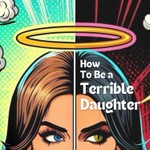
How To Be a Terrible Daughter
Elizabeth Malamed and Megan Caper
Forme & Santé
Éducation
Fréquence : 1 épisode/17j. Total Éps: 21

Wondering how to be a terrible daughter? Listen as Elizabeth Malamed and Megan Caper, mental health professionals who also happen to be cousins, discuss growing up in toxic families, surviving narcissistic abuse, and moving forward after trauma. The How To Be a Terrible Daughter podcast is a place to find community, put words to your experience, and laugh at the dark stuff. We’ll share our stories from our own childhoods, make mental health concepts easy to understand, and interview intriguing guests along the way. Oh, and you can also let Megan and Elizabeth hate your parents for you if you're having mixed feelings. We don’t mind, we’ve got plenty of pent up anger for everyone. If your parents have ever called you terrible, horrible or something even worse, come join us!
Site
RSS
Apple
Données mises à jour le 14/07/2026
Classements récents
Dernières positions dans les classements Apple Podcasts et Spotify.
Liens partagés entre épisodes et podcasts
Liens présents dans les descriptions d'épisodes et autres podcasts les utilisant également.
Voir plusQualité et score du flux RSS
Évaluation technique de la qualité et de la structure du flux RSS.
Voir plusHistorique des publications
Répartition mensuelle des publications d'épisodes au fil des années.
© My Podcast Data · Projet indépendant · Données issues d'Apple & Spotify