Wild Origins – Détails, épisodes et analyse
Détails du podcast
Informations techniques et générales issues du flux RSS du podcast.
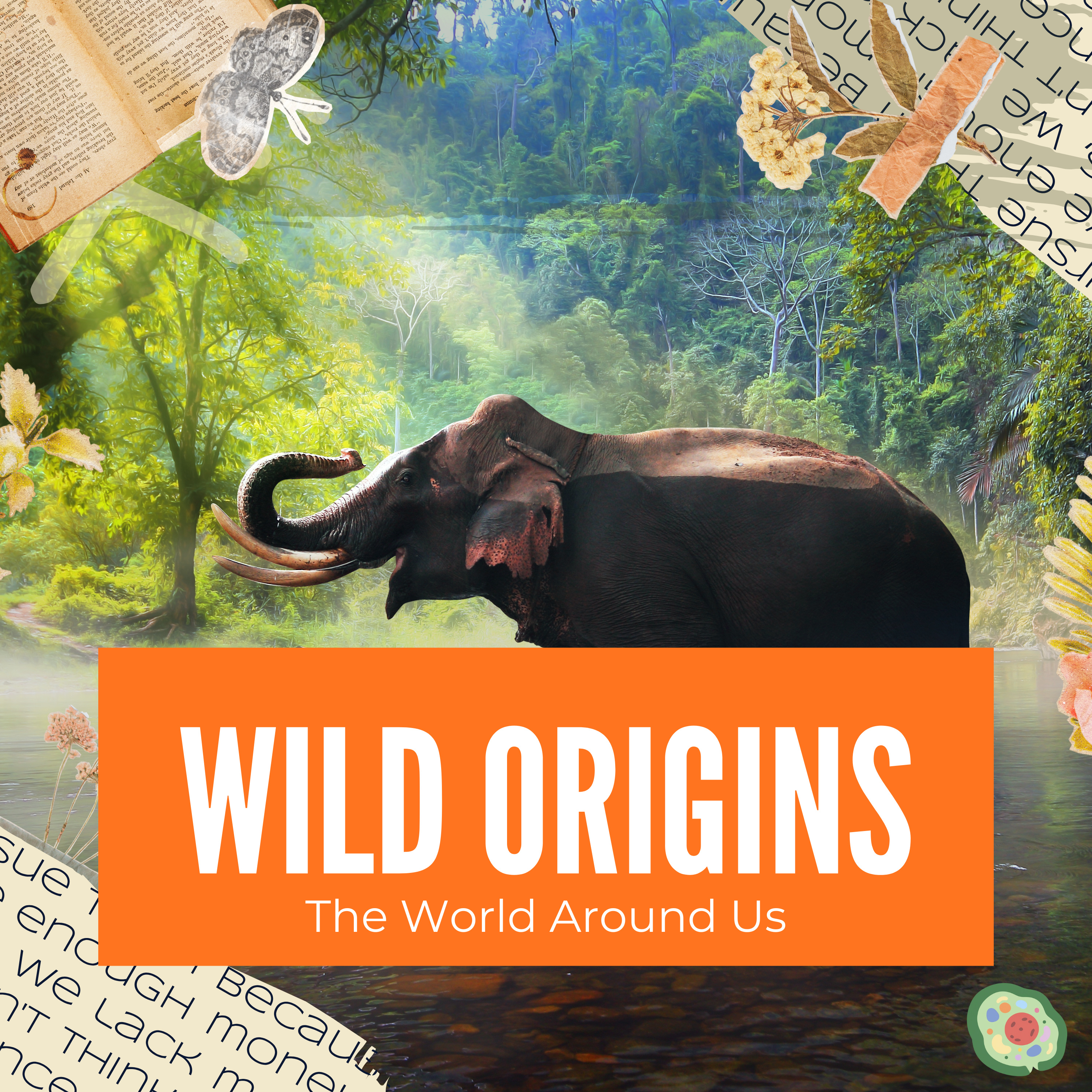

Welcome to Wild Origins - a podcast about how life got weird, and how that weirdness made the world we live in.
Each episode follows a discovery in nature. We’ll trace the dawn of humankind, the rise and fall of dinosaurs, the secret lives of birds, and the strange rules that shape plants and animals today. We’ll visit ship graveyards, ancient caves, and ecosystems under pressure, meeting creatures that shouldn’t exist but do.
Site
RSS
Apple
Données mises à jour le 11/08/2026
Classements récents
Dernières positions dans les classements Apple Podcasts et Spotify.
Liens partagés entre épisodes et podcasts
Liens présents dans les descriptions d'épisodes et autres podcasts les utilisant également.
Voir plusQualité et score du flux RSS
Évaluation technique de la qualité et de la structure du flux RSS.
Voir plusHistorique des publications
Répartition mensuelle des publications d'épisodes au fil des années.
© My Podcast Data · Projet indépendant · Données issues d'Apple & Spotify