Thriving Leaders Podcast – Détails, épisodes et analyse
Détails du podcast
Informations techniques et générales issues du flux RSS du podcast.
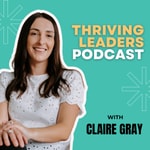
Thriving Leaders Podcast
Claire Gray
Business & Entrepreneuriat
Business & Entrepreneuriat
Éducation
Fréquence : 1 épisode/14j. Total Éps: 65

The Thriving Leaders Podcast is hosted by Claire Gray, an Australian leadership and team facilitator, executive coach, keynote speaker and author. The podcast explores high-performing teams, psychological safety, accountability, workplace culture, difficult conversations, inclusive leadership and leading through change.
Site
RSS
Apple
Données mises à jour le 15/10/2026
Classements récents
Dernières positions dans les classements Apple Podcasts et Spotify.
Liens partagés entre épisodes et podcasts
Liens présents dans les descriptions d'épisodes et autres podcasts les utilisant également.
Voir plusQualité et score du flux RSS
Évaluation technique de la qualité et de la structure du flux RSS.
Voir plusHistorique des publications
Répartition mensuelle des publications d'épisodes au fil des années.
© My Podcast Data · Projet indépendant · Données issues d'Apple & Spotify