The Threat Next Door – Détails, épisodes et analyse
Détails du podcast
Informations techniques et générales issues du flux RSS du podcast.
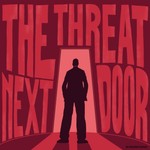

What does the war in Ukraine look like for countries that have spent decades, or centuries, living in Russia’s shadow?
Through conversations with military officers, security experts, and researchers from Sweden, Finland, and Estonia, this podcast examines how history, geography, and proximity to Russia shape national security thinking.
Recorded during an Erasmus exchange in Finland and hosted by Faustine Frering, this series offers new perspectives on war, deterrence, and Europe's security future.
Site
RSS
Apple
Données mises à jour le 21/08/2026
Classements récents
Dernières positions dans les classements Apple Podcasts et Spotify.
Liens partagés entre épisodes et podcasts
Liens présents dans les descriptions d'épisodes et autres podcasts les utilisant également.
Voir plusQualité et score du flux RSS
Évaluation technique de la qualité et de la structure du flux RSS.
Voir plusHistorique des publications
Répartition mensuelle des publications d'épisodes au fil des années.
© My Podcast Data · Projet indépendant · Données issues d'Apple & Spotify