The Signal – Détails, épisodes et analyse
Détails du podcast
Informations techniques et générales issues du flux RSS du podcast.
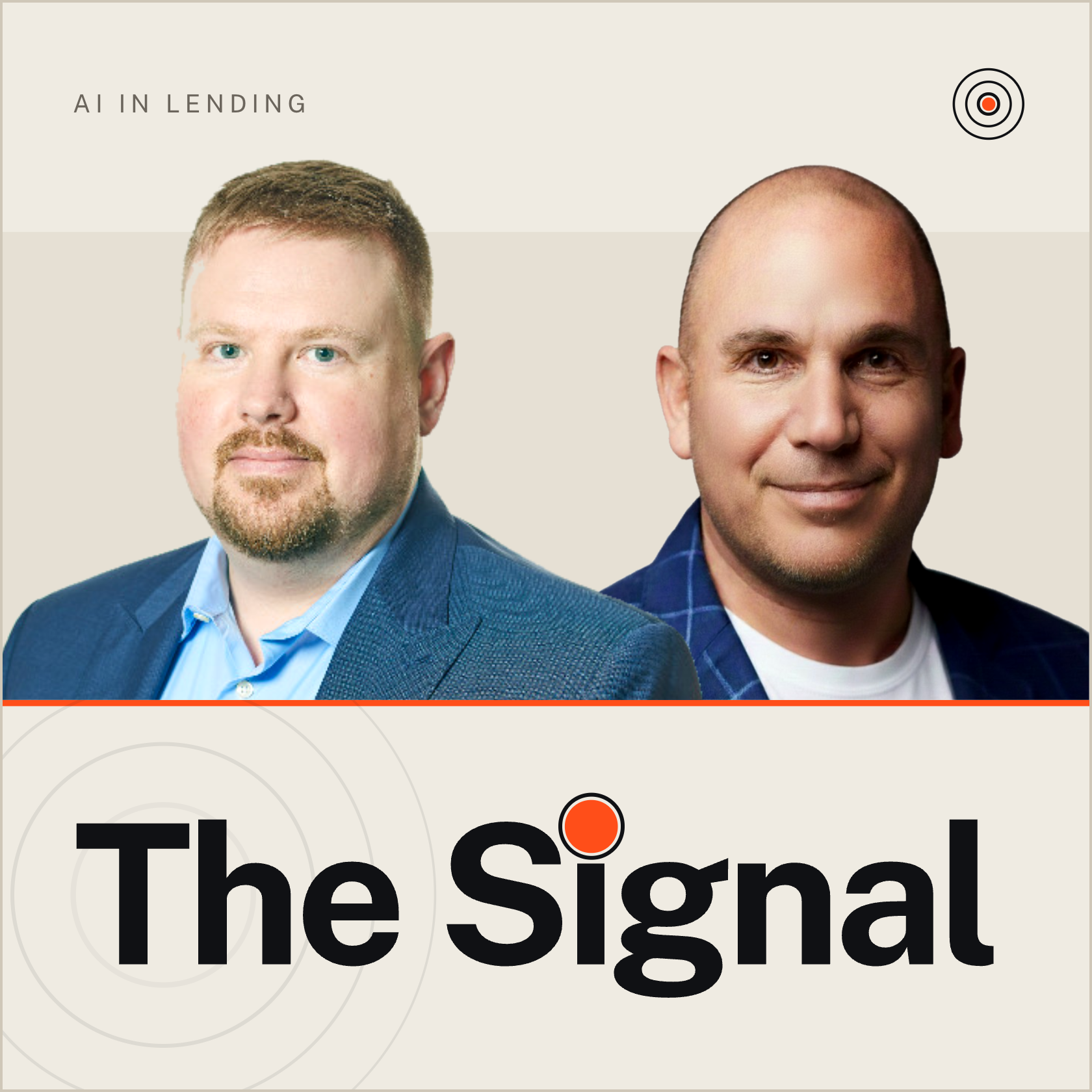
The Signal
Chris and Reuven
Business & Entrepreneuriat
Technologie
Business & Entrepreneuriat
Fréquence : 1 épisode/7j. Total Éps: 2

The Signal is a weekly podcast hosted by Chris Grimes and Reuven Gorsht, exploring how AI, automation, and new operating models are reshaping high-stakes industries like mortgage, energy, healthcare, and beyond. Through candid conversations with founders, operators, lenders, and technology leaders, the show digs into what is actually changing on the ground — the workflows being reinvented, the bottlenecks being broken, and the decisions leaders are making as their industries adapt.
Each conversation is designed for practical insight: what is working, what is still hype, and what the next wave of industry transformation looks like.
Site
RSS
Apple
Données mises à jour le 03/09/2026
Classements récents
Dernières positions dans les classements Apple Podcasts et Spotify.
Liens partagés entre épisodes et podcasts
Liens présents dans les descriptions d'épisodes et autres podcasts les utilisant également.
Voir plusQualité et score du flux RSS
Évaluation technique de la qualité et de la structure du flux RSS.
Voir plusHistorique des publications
Répartition mensuelle des publications d'épisodes au fil des années.
© My Podcast Data · Projet indépendant · Données issues d'Apple & Spotify