The Literacy Keys - Dyslexia resources and structured literacy tips by an Orton Gillingham tutor – Détails, épisodes et analyse
Détails du podcast
Informations techniques et générales issues du flux RSS du podcast.
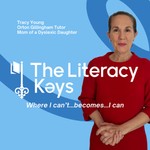
The Literacy Keys - Dyslexia resources and structured literacy tips by an Orton Gillingham tutor
Tracy Young, Orton Gillingham Tutor, Dyslexia Specialist & Mom of a Dyslexic Kid
Enfants & Parentalité
Fréquence : 1 épisode/7j. Total Éps: 63

If you’re raising a child with dyslexia or a kid who’s struggling to read, write, and spell, stop guessing what to do next. I’m Tracy Young, a certified Orton-Gillingham tutor, dyslexia specialist, and this podcast will empower you to unlock reading, writing, and spelling success for your child. You’ll uncover structured literacy tips and practical advice about dyslexia (in plain English) to help you turn I can't into I can.
Follow our weekly episodes and share them with others! Contact TheLiteracyKeys.com for a dyslexia tutor.
Site
RSS
Apple
Données mises à jour le 22/09/2026
Classements récents
Dernières positions dans les classements Apple Podcasts et Spotify.
Liens partagés entre épisodes et podcasts
Liens présents dans les descriptions d'épisodes et autres podcasts les utilisant également.
Voir plusQualité et score du flux RSS
Évaluation technique de la qualité et de la structure du flux RSS.
Voir plusHistorique des publications
Répartition mensuelle des publications d'épisodes au fil des années.
© My Podcast Data · Projet indépendant · Données issues d'Apple & Spotify