The Dr Kumar Discovery – Détails, épisodes et analyse
Détails du podcast
Informations techniques et générales issues du flux RSS du podcast.
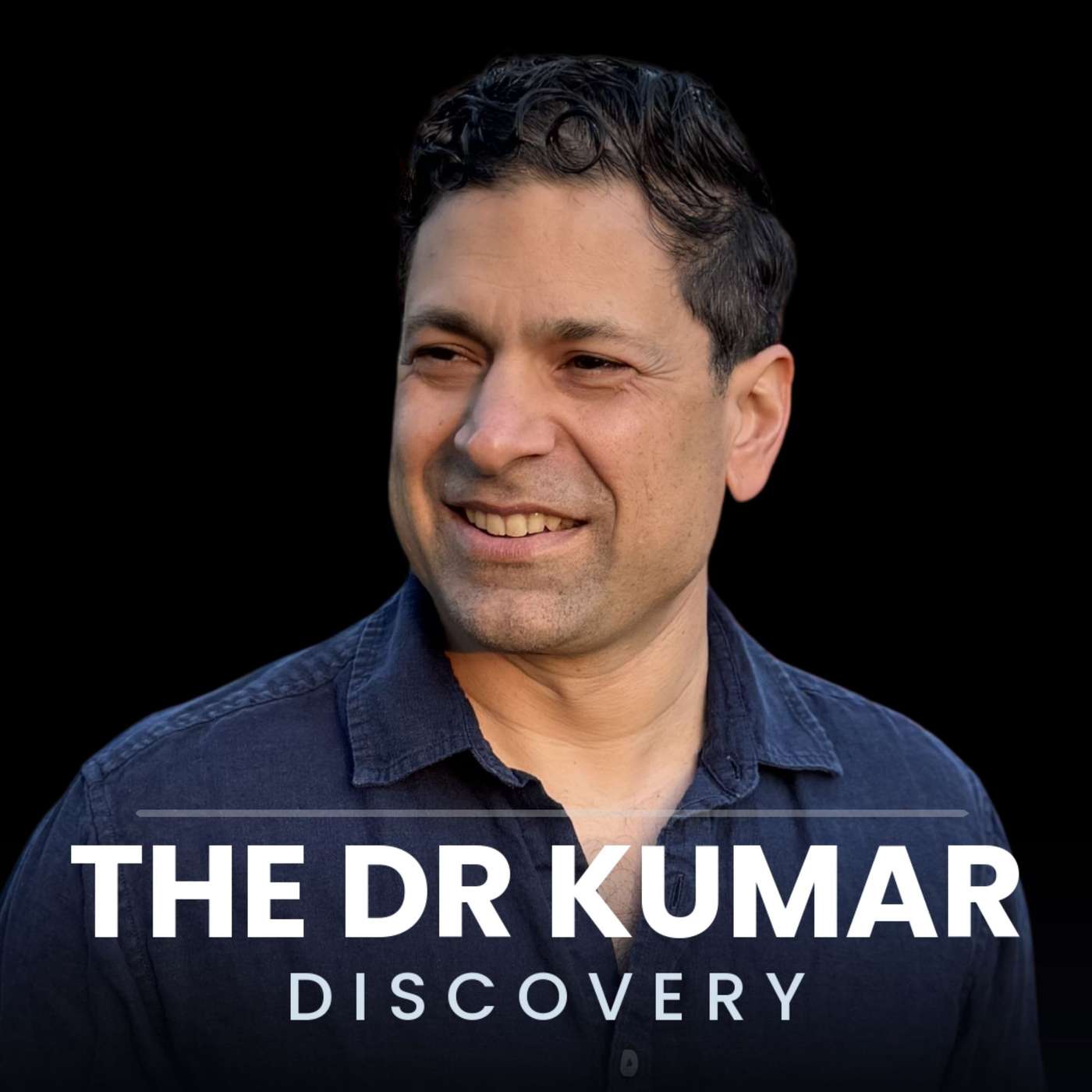
The Dr Kumar Discovery
Dr Ravi Kumar MD
Fréquence : 1 épisode/9j. Total Éps: 41

Classements récents
Dernières positions dans les classements Apple Podcasts et Spotify.
Apple Podcasts
🇬🇧 Grande Bretagne - medicine
14/04/2026#99🇨🇦 Canada - medicine
28/12/2025#91🇨🇦 Canada - medicine
14/11/2025#78🇨🇦 Canada - medicine
07/11/2025#70🇨🇦 Canada - medicine
06/11/2025#67🇨🇦 Canada - medicine
05/11/2025#60🇨🇦 Canada - medicine
04/11/2025#43🇺🇸 États-Unis - medicine
04/11/2025#96🇬🇧 Grande Bretagne - medicine
03/11/2025#69🇺🇸 États-Unis - medicine
13/10/2025#99
Spotify
Aucun classement récent disponible
Liens partagés entre épisodes et podcasts
Liens présents dans les descriptions d'épisodes et autres podcasts les utilisant également.
See all- https://www.fame.so/follow-rate-review
297 partages
- https://www.jbc.org/article/S0021-9258
32 partages
- https://www.youtube.com/@BreatheWithSandy
21 partages
- https://www.youtube.com/@neurospabrain
3 partages
Qualité et score du flux RSS
Évaluation technique de la qualité et de la structure du flux RSS.
See allScore global : 94%
Historique des publications
Répartition mensuelle des publications d'épisodes au fil des années.
Saccharomyces boulardii Explained: The Probiotic That Protects Your Gut
Saison 1 · Épisode 20
dimanche 21 septembre 2025 • Durée 19:24
***Correction*** - The CNCM I-745 strain of Saccharomyces boulardii is currently only sold by Florastar. This is the most studied strain of Saccharomyces boulardii. I've also tried brands such as Jarrow and Pure, and they've worked well, but the majority of the research supports the CNCM I-745 strain. In the podcast, I mentioned that most of the strains are this CNCM I-745 strain, but that was factually incorrect.
What if a simple yeast, scraped from the peel of tropical fruit during a cholera epidemic, could change the way we protect our microbiome?
In the 1920s, French microbiologist Henri Boulard stumbled upon a probiotic unlike any other. Saccharomyces boulardii isn’t a bacteria, but a hardy yeast that survives heat, stomach acid, and bile. Today, it’s one of the best-studied tools for preventing antibiotic-associated diarrhea, treating traveler’s diarrhea, and protecting gut health when illness strikes.
In this episode of Tribulations, Dr. Ravi Kumar takes you on a journey that weaves history, science, and practical medicine. You’ll discover:
- The remarkable story of how Boulard’s curiosity led him from alcohol fermentation to a lifesaving probiotic during a cholera outbreak.
- Why Saccharomyces boulardii acts as a “shepherd” in the gut, preserving balance while pushing back against harmful bacteria.
- Clinical trial evidence showing its effectiveness against antibiotic-associated diarrhea, traveler’s diarrhea, and recurrent C. difficile infection.
- Practical dosing strategies for adults and children—when to use it, how long to continue, and important safety caveats.
- Why a $15 supplement sometimes outperforms prescriptions in protecting your microbiome.
It’s a story of serendipity, science, and a forgotten yeast that still holds lessons for modern medicine.
For references: drkumardiscovery.com/podcast
Stay Connected
Podcast signup: drkumardiscovery.com/podcast-signup
Instagram: @thedrkumardiscovery
Facebook: The Dr Kumar Discovery
Testosterone Replacement Therapy Explained: Should Men Restore Youthful Levels?
Saison 1 · Épisode 19
dimanche 14 septembre 2025 • Durée 41:14
Testosterone levels decline steadily with age, leaving many men with less energy, lower libido, more body fat, weaker bones, and fading vitality. By age 60, 1 in 5 men is already clinically hypogonadal, and by 80, half are. But should we accept this as inevitable, or use modern medicine to restore hormones to youthful levels?
In this episode of The Dr. Kumar Discovery Podcast, Dr. Ravi Kumar unpacks the science of male hormone optimization. You’ll learn what healthy testosterone looks like in younger men, how testosterone really works in the body, and what happens when levels drop too low. We’ll also cover natural ways to boost testosterone and explore the evidence behind testosterone replacement therapy (TRT).
In this episode, you’ll discover:
- Why testosterone, free testosterone, and SHBG all matter for male health.
- The biological roles of testosterone, DHT, and estradiol, and why balance is key.
- How low testosterone impacts libido, mood, bone strength, metabolism, and body composition.
- The vicious cycle of low T, belly fat, and estrogen.
- Lifestyle and supplement strategies that naturally improve testosterone.
- The history of testosterone therapy, from Brown-Séquard to modern TRT.
- Today’s replacement options: injections, creams, enclomiphene, HCG, and more.
- The real risks and side effects of TRT, and why “super-physiological” dosing backfires.
- How to know if TRT is right for you, and the workup every man should get first.
If you’ve wondered whether testosterone replacement could help restore energy, strength, and vitality... or you want to understand how male hormones shape health, this episode is essential listening.
For more health insights, subscribe to The Dr. Kumar Discovery Podcast on any major platform.
To explore references and related resources, visit: https://drkumardiscovery.com/podcast/
Cheers!
Episode 9: The Vitamin C Paradox
Saison 1 · Épisode 10
dimanche 6 juillet 2025 • Durée 58:22
Support Gavin’s Journey
This episode features the incredible story of Gavin—a young boy who defied all medical odds after a devastating brain cancer diagnosis.
Follow and support Gavin and his family here:
Episode Summary
Why is vitamin C—a nutrient most people take for granted—still at the center of scientific debate and miraculous recoveries? In “The Vitamin C Paradox,” Dr. Ravi Kumar explores the hidden complexity behind this essential molecule, from our evolutionary dependence to its overlooked medical potential. Discover how the right dose, at the right time, could change everything from your daily health to survival in the face of severe illness.
What You’ll Learn
- Why humans lost the ability to make vitamin C—and the clever ways our bodies compensate.
- How vitamin C works as a master antioxidant and is uniquely recycled in human red blood cells.
- Hidden signs of deficiency—and why “modern scurvy” is more common than you think.
- What science really says about vitamin C for colds, immune support, cardiovascular health, and recovery.
- The untold story of IV vitamin C—and how one family’s determination changed a young boy’s fate.
- How to optimize your own vitamin C intake for health, stress, illness, and special situations.
- Why the RDA might be set far too low—and what our closest primate relatives can teach us.
Key Takeaways
- Vitamin C is about more than scurvy. It’s central to immunity, tissue repair, mental clarity, and more.
- Most people get just enough to “get by.” Far higher intakes may be needed for true resilience—especially in illness or stress.
- IV vitamin C acts differently from oral forms and shows real promise in cancer care and critical illness.
- Even today, vitamin C deficiency is surprisingly common and often overlooked.
Practical Recommendations
- Daily health: 500–1,000 mg ascorbic acid (plus vitamin C–rich foods throughout the day)
- During illness or stress: Up to 6,000 mg daily, divided in smaller doses (and stay hydrated)
- Cancer/critical illness: Discuss IV vitamin C as an integrative option with your healthcare provider
- Best supplement forms: Plain ascorbic acid is ideal; buffered or liposomal forms may help sensitive stomachs
Don’t Miss
- Why the RDA for vitamin C was set only to prevent scurvy—not to optimize health or immune function.
- What wild animals and primates reveal about human vitamin C needs.
- How clinical research has often misrepresented the full potential of vitamin C.
References & Further Reading
All referenced clinical trials, peer-reviewed papers, and additional resources for this episode can be found on our Vitamin C Episode page.
(Link to be updated once your references page is live.)
Help Us Grow
If this episode made you think differently, please share it with someone you care about and leave a review on your favorite podcast platform. Your support helps bring practical, evidence-based health information to more people.
Listen & Subscribe:
Disclaimer: This episode is for informational purposes only and is not a substitute for medical advice. Please consult your healthcare provider before making any health decisions.
Episode 8: You’re Probably Deficient in Omega-3—Here’s How to Fix It
Saison 1 · Épisode 9
mercredi 25 juin 2025 • Durée 40:30
Episode Summary
In this deep-dive episode, Dr. Ravi Kumar explores why omega-3 fatty acids are foundational to human health—touching on their biochemistry, evolutionary history, robust clinical evidence, and practical strategies for optimizing intake. You’ll learn:
- What “omega-3” really means and why your body can’t make these fats on its own
- Early discoveries by George and Mildred Burr in the 1920s
- The Inuit paradox: high-fat diets with low cardiovascular disease
- Landmark trials such as REDUCE-IT and EVAPORATE demonstrating cardioprotective effects
- Roles across the lifespan: brain development, mood regulation, eye health, immune function, muscle maintenance, liver health, skin integrity, and more
- Evolutionary insights from traditional populations and enzymatic conversion of ALA → EPA/DHA
- Practical guidance on food sources, supplement types (triglyceride vs. ethyl ester, krill, algal oil), dosing, safety (oxidation, contaminants), and certification (IFOS)
Practical Suggestions
- Daily baseline: Aim for ≥2 g combined EPA + DHA (with at least 1 g EPA)
- High-dose therapy: 3–4 g/day EPA-rich for hypertriglyceridemia, arthritis, depression
- Pregnancy: At least 500 mg DHA daily (algal oil option for vegans)
- Food sources: Prioritize small, low-contaminant fish (sardines, anchovies, mackerel); include wild-caught salmon sparingly
- Supplement selection: Choose triglyceride-form fish oil, IFOS-certified; watch for oxidation (peroxide/anisidine levels) and contaminant removal via molecular distillation
- Lifestyle context: Reduce omega-6 seed oils to improve ALA→EPA/DHA conversion; honor ancestral dietary patterns
References
- https://pmc.ncbi.nlm.nih.gov/articles/PMC3657456/
- https://pubmed.ncbi.nlm.nih.gov/25604397/
- https://pmc.ncbi.nlm.nih.gov/articles/PMC7037798/
- https://pmc.ncbi.nlm.nih.gov/articles/PMC7759779/
- https://www.sciencedirect.com/science/article/pii/S000291652312911X?via%3Dihub
- https://journals.plos.org/plosone/article?id=10.1371/journal.pone.0044926
- https://pmc.ncbi.nlm.nih.gov/articles/PMC9228863/
- https://pubmed.ncbi.nlm.nih.gov/16825680/
- https://www.sciencedirect.com/science/article/pii/S0002916523294861
- https://pubmed.ncbi.nlm.nih.gov/12442909/
- https://www.sciencedirect.com/science/article/pii/S0002916523275462?via%3Dihub
- https://pubmed.ncbi.nlm.nih.gov/7270479/
- https://pmc.ncbi.nlm.nih.gov/articles/PMC7761957/
- https://pmc.ncbi.nlm.nih.gov/articles/PMC4480667/
- https://pmc.ncbi.nlm.nih.gov/articles/PMC3021432/
- https://pmc.ncbi.nlm.nih.gov/articles/PMC7561009/
- https://pubmed.ncbi.nlm.nih.gov/15857162/
- https://journals.plos.org/plosone/article?id=10.1371/journal.pone.0088103
- https://pmc.ncbi.nlm.nih.gov/articles/PMC8832668/
- https://pmc.ncbi.nlm.nih.gov/articles/PMC3138218/
- https://pmc.ncbi.nlm.nih.gov/articles/PMC6155966/
- https://pubmed.ncbi.nlm.nih.gov/22023985/
- https://www.jbc.org/article/S0021-9258(19)36227-1/fulltext
- https://pubmed.ncbi.nlm.nih.gov/28694914/
- https://pubmed.ncbi.nlm.nih.gov/12771037/
- https://pubmed.ncbi.nlm.nih.gov/24553997/
- https://pubmed.ncbi.nlm.nih.gov/11895157/
- https://pubmed.ncbi.nlm.nih.gov/28261950/
- https://pubmed.ncbi.nlm.nih.gov/21569104/
- https://pubmed.ncbi.nlm.nih.gov/26353789/
- https://pubmed.ncbi.nlm.nih.gov/22591891/
- https://pubmed.ncbi.nlm.nih.gov/21961774/
- https://pmc.ncbi.nlm.nih.gov/articles/PMC9406129/
- https://pubmed.ncbi.nlm.nih.gov/27541690/
- https://www.frontiersin.org/journals/medicine/articles/10.3389/fmed.2024.1440479/full
- https://pmc.ncbi.nlm.nih.gov/articles/PMC2812063/
- https://pubmed.ncbi.nlm.nih.gov/15555528/
- https://pmc.ncbi.nlm.nih.gov/articles/PMC7362115/
- https://pubmed.ncbi.nlm.nih.gov/28900017/
- https://pubmed.ncbi.nlm.nih.gov/20434961/
- https://pmc.ncbi.nlm.nih.gov/articles/PMC10447496/
- https://pubmed.ncbi.nlm.nih.gov/23515006/
- https://pubmed.ncbi.nlm.nih.gov/17240089/
- https://pubmed.ncbi.nlm.nih.gov/17556695/
- https://pubmed.ncbi.nlm.nih.gov/12509593/
- https://pmc.ncbi.nlm.nih.gov/articles/PMC9355374/
- https://pmc.ncbi.nlm.nih.gov/articles/PMC4054797/
- https://www.ahajournals.org/doi/full/10.1161/CIR.0000000000000709
- https://pubmed.ncbi.nlm.nih.gov/32860032/
- https://www.nejm.org/doi/full/10.1056/NEJMoa1812792
- https://www.ahajournals.org/doi/10.1161/CIRCULATIONAHA.105.581355
- https://www.jacc.org/doi/10.1016/j.jacc.2008.04.018
- https://pubmed.ncbi.nlm.nih.gov/4102857/
- https://pubmed.ncbi.nlm.nih.gov/38982829/
Episode 7: Why You Should Be Taking Vitamin K2
Saison 1 · Épisode 8
vendredi 13 juin 2025 • Durée 32:18
Episode 7: Why You Should Be Taking Vitamin K2
Host: Dr. Ravi Kumar MD
Topic: A comprehensive look at vitamin K2’s discovery, mechanisms, clinical evidence, and why it’s essential for calcium homeostasis, bone strength, and vascular health.
📖 Episode Overview
- Historical journey from Weston A. Price’s “Activator X” to the Nobel‐winning discovery of vitamin K
- Biochemical roles of K1 vs. K2: activating clotting factors vs. directing calcium into bones and out of arteries
- Ancestral dietary patterns that once guaranteed year-round vitamin K2 intake
- Key clinical findings on bone mineral density, fracture risk, arterial calcification, and beyond
- Drug interactions: how warfarin and statins inadvertently disrupt K2 pathways
- Supplementation strategy: MK-7 vs. MK-4, practical dosing, and Dr. Kumar’s personal protocol
- Next episode teaser on omega-3 fatty acids
✨ Key Takeaways
- Vitamin K2 (menaquinones) is indispensable for proper calcium placement—bones vs. arteries.
- Traditional diets provided K2 via seasonal greens and fermented foods; modern diets are often deficient.
- Meta-analyses and RCTs demonstrate up to 57% fewer fractures and slower arterial calcification with K2.
- MK-7 (180–375 µg/day) offers superior bioavailability and tissue delivery compared to MK-4.
- Pair K2 with vitamin D and dietary fat for optimal absorption.
📚 References & Study Summaries
- Dietary Intake of Menaquinone Is Associated with a Reduced Risk of Coronary Heart Disease in Older Men and Women
- Prospective cohort of older adults showing that higher dietary menaquinone (vitamin K2) intake was linked to a significant reduction in coronary heart disease incidence.
- ScienceDirect
- Vitamin K2 Ameliorates Osteoarthritis by Suppressing Ferroptosis and Extracellular Matrix Degradation Through Activation of GPX4
- Preclinical rodent study demonstrating that MK-7 improves cartilage integrity, reduces pain scores, and lowers osteoarthritis severity by inhibiting ferroptosis and activating the antioxidant enzyme GPX4.
- ScienceDirect
- Multiple Dietary Vitamin K Forms Are Converted to Tissue MK-4 in Mice
- Animal feeding trial revealing that dietary phylloquinone (K1) and various menaquinones (MK-4, MK-7, MK-9) all serve as precursors for tissue MK-4, highlighting a common conversion pathway across tissues.
- ScienceDirect
- Role of Menaquinone-7 in Bone Health: A Comprehensive Review
- Systematic review in Frontiers in Nutrition summarizing mechanistic and clinical evidence for MK-7’s effectiveness in enhancing bone mineral density, reducing fracture risk, and exhibiting an excellent safety profile.
- Frontiers in Nutrition
- Effect of Vitamin K2 on Bone Mineral Density and Fracture Risk in Postmenopausal Women
- Meta-analysis of RCTs involving over 6,400 participants, showing that VK2 supplementation (primarily MK-4 and MK-7) significantly improved lumbar spine BMD and lowered overall fracture risk by approximately 57%.
- PubMed
- Vitamin K Status in Chronic Kidney Disease and Hemodialysis Patients
- Observational study reporting elevated levels of undercarboxylated vitamin K-dependent proteins (dp-ucMGP, ucOC) in CKD and dialysis cohorts, indicating widespread subclinical K deficiency in these populations.
- PMC
- Dietary Vitamin K Intake and Bone Health in Public-Health Populations
- Population-level analysis linking higher dietary vitamin K intake to reduced osteoporosis prevalence and fewer fractures among older adults, reinforcing the public-health importance of K.
- Frontiers in Public Health
- High-Dose MK-7 Supplementation and Vascular Calcification Markers
- Double-blind RCT (360 µg MK-7/day for 3 months) demonstrating marked reductions in dp-ucMGP—a biomarker of vascular calcification risk—in healthy volunteers.
- PubMed
- Long-Term MK-4 Therapy Prevents Vertebral Fractures in Osteoporotic Women
- Clinical trial showing that 45 mg/day MK-4 over 3 years significantly lowered the incidence of new vertebral fractures compared to control, despite pharmacologic dosing far above dietary levels.
- PubMed
- Comparative Pharmacokinetics of MK-7 vs. MK-4 in Humans
- Pharmacokinetic study revealing that MK-7 has a substantially longer half-life and higher steady-state blood levels than MK-4 when administered orally, supporting MK-7’s use in supplementation.
- PubMed
- Effect of Low-Dose MK-7 on Osteocalcin Carboxylation
- Controlled trial finding that 180 µg/day of MK-7 for 12 weeks significantly increased the ratio of carboxylated to undercarboxylated osteocalcin, indicating enhanced bone-matrix protein activation.
- PubMed
- Regional Differences in Vitamin K2 Biomarkers and Bone Health
- Cross-sectional study of Japanese adults correlating serum K2 levels (MK-7) with superior bone density measures and lower fracture prevalence across regions with habitual natto consumption.
- SpringerLink
- Traditional Dietary Sources of Vitamin K2 in Japanese Communities
- Ethnographic dietary survey documenting seasonal consumption of natto, fermented vegetables, and dairy in rural Japanese villages, with measured K2 intakes averaging >300 µg/day.
- Kindai University PDF
- Effects of Combined Vitamin K2 and D3 on Coronary and Aortic Calcification
- Multicenter RCT (720 µg K2 + 25 µg D3/day vs. placebo) in elderly subjects, reporting a nonsignificant trend toward slower CAC progression overall but significant benefit in participants with baseline CAC ≥400 AU.
- ScienceDirect
- MK-7 Supplementation in Hemodialysis Patients
Episode 6: The Silent Epidemic: Are You Low on Vitamin D?
Saison 1 · Épisode 7
jeudi 29 mai 2025 • Durée 36:27
In this episode, Dr. Ravi Kumar uncovers the powerful, misunderstood role of vitamin D in your health—and why nearly half the world is deficient. Far more than a bone vitamin, vitamin D acts as a hormone that regulates over 1,000 genes and plays a role in everything from immune function and mood to metabolism, muscle strength, and even cancer prevention.
Dr. Kumar shares stories from his family, travels, and medical practice—including a powerful transformation in his grandmother’s health—to reveal the often-overlooked symptoms of deficiency and how to fix them. You’ll learn about testing, dosing, and a simple immune-boosting protocol used in his own household, along with the vital connection between vitamin D and sunlight, inflammation, and modern life.
And this is just the beginning. At the end, Dr. Kumar teases the next episode on Vitamin K2, the critical cofactor that ensures vitamin D works where you need it—and not where you don’t.
🔍What You’ll Learn in This Episode
- Why vitamin D is both a nutrient and a hormone
- How vitamin D deficiency became a modern epidemic
- The story of Tiny Tim and rickets in 19th-century cities
- The science of how sunlight creates vitamin D in the skin
- Why elderly individuals often go undiagnosed with deficiency
- How low vitamin D levels affect bones, muscles, brain function, and mood
- What lab test to ask for and what levels to aim for
- A household protocol Dr. Kumar uses at the first sign of illness
- Why inflammation can block vitamin D activation—even with sun exposure
- The optimal blood levels based on ancestral health data
- Why vitamin D alone isn’t enough for bone health without vitamin K2
🧪 Key Studies and References
Explore the research behind this episode:
- The Impact of Vitamin D on Health and Disease - Comprehensive review of vitamin D’s role in immunity, bone health, and chronic disease.
- Vitamin D: A Global Perspective - Highlights global deficiency rates and the need for public health strategies.
- Muscle Strength and Falls in the Elderly - Study showing 72% lower fall risk in elderly patients supplemented with vitamin D.
- Cardiovascular Effects of Vitamin D Supplementation - Explores vitamin D’s influence on blood pressure and vascular health.
- Women’s Health Initiative Calcium + D Trial - Landmark study examining vitamin D, calcium, and fracture outcomes.
- RECORD Trial on Fracture Prevention - Randomized trial evaluating calcium and vitamin D in older adults.
- Vitamin D and Cancer Risk - Investigates associations between low vitamin D and increased cancer risk.
- The Role of Vitamin D in Autoimmune Disease - Discusses links between vitamin D levels and autoimmune conditions like MS.
- Vitamin D and Type 1 Diabetes Prevention - Large Finnish study showing 80% reduced risk of type 1 diabetes with early supplementation.
- Vitamin D and Immune System Regulation - Recent research on vitamin D’s role in innate immunity.
- Vitamin D and Cognitive Health - Links between low vitamin D, neurodegeneration, and cognitive decline.
- Vitamin D in Alzheimer’s and Dementia - Investigates protective effects of vitamin D on brain aging.
- Vitamin D and Mitochondrial Function - Shows how vitamin D boosts cellular energy production.
- Vitamin D in Obesity and Metabolic Syndrome - Highlights how vitamin D affects glucose metabolism and insulin resistance.
- Vitamin D Supplementation in Children - Examines outcomes of high-dose supplementation in pediatric populations.
- Vitamin D and Flu Prevention - Supports the idea of using vitamin D to prevent respiratory infections.
- Vitamin D and the Immune System – Frontiers - Open-access review on the immunomodulatory effects of vitamin D.
- Vitamin D and Public Health Policy – Frontiers - Policy-focused article on addressing vitamin D deficiency through food fortification and supplementation.
- The Role of Vitamin D in Health – A Review - Explores comprehensive biological functions and therapeutic potential.
📩 Subscribe & Share
If you found this episode helpful, please share it with someone who might benefit—and don’t forget to leave a review on your favorite podcast platform. It helps new listeners discover the show and supports this journey of discovery.
📌 Stay Connected
- Instagram: @TheDrKumarDiscovery
- Facebook: Dr. Kumar Discovery
- Website: DrKumarDiscovery.com
- Email List: Sign up here!
Episode 5: The Untold Power of Diet and LifeStyle (Cardiovascular Disease: Part 5)
Saison 1 · Épisode 6
vendredi 23 mai 2025 • Durée 53:06
Episode 5: The Untold Power of Diet and Lifestyle (Cardiovascular Disease: Part 5)
In this episode, we uncover why real-world interventions—whole-food diets, metabolic health markers, and the simplest “medicine” of all—walking—outperform any pill in preventing and reversing heart disease.
Topics include
- Ancestral lessons from the Mediterranean, Panama, Japan, and the Nordic countries
- Key RCTs: Lyon Diet Heart, PREDIMED, CORDIOPREV
- Mechanisms: refined carbs & seed oils driving insulin resistance and endocannabinoid activation
- Visceral fat & hormones: aromatization of testosterone, GLUT4 dysfunction
- Atherogenic cascade: ↑VLDL → CETP exchange → small dense, oxidized LDL → plaque formation
- Dysfunctional HDL and breakdown of reverse cholesterol transport
- Triglyceride-to-HDL ratio as a powerful, under-used marker of metabolic risk
- Reversing metabolic syndrome: 28% reversal in PREDIMED’s lifestyle arm; DPP lifestyle success
- Walking as medicine: Blue Zones insights, DPP activity goals, and a 77% ↓ in CV mortality per 10,000+ steps
- Walking vs. Statins: 77% RRR vs. 13% RRR—no side effects, only benefits
📚 References & Resources
EUROLIVE Trial (Polyphenols in Olive Oil)
Investigated how high- vs. low-polyphenol extra-virgin olive oils affect HDL and oxidized LDL in healthy men.
https://pubmed.ncbi.nlm.nih.gov/12386254/
Japanese Diet Systematic Review
Pooled nearly 60 studies on Japanese-style eating patterns and reduced cardiovascular/cerebrovascular mortality.
https://pmc.ncbi.nlm.nih.gov/articles/PMC10386285/
MDPI Diagnostics – Olive Oil Biomarkers
Examined biomarkers of extra-virgin olive oil intake and their clinical impact on lipid profiles.
https://www.mdpi.com/2075-4418/13/5/929
PMC 9248272 – Olive Oil & Lipid Oxidation
Demonstrated that polyphenol-rich olive oil lowers markers of lipid oxidation.
https://pmc.ncbi.nlm.nih.gov/articles/PMC9248272/
PMC 3753679 – Olive Oil Meta-Analysis
Meta-analysis of 26 trials showing high-polyphenol olive oils reduce inflammation and modestly improve blood pressure.
https://pmc.ncbi.nlm.nih.gov/articles/PMC3753679/
PLOS ONE – TG/HDL Ratio & IHD Risk
Case–control study: highest quartile of triglyceride/HDL ratio carried 16× greater ischemic heart disease risk.
https://journals.plos.org/plosone/article?id=10.1371/journal.pone.0052036
GeroScience – Benefits of Walking
Reviewed observational and interventional evidence for walking’s impact on healthy aging.
https://pmc.ncbi.nlm.nih.gov/articles/PMC10643563/
PMC 7706282 – Daily Steps & Incident Diabetes
Prospective cohort of 3,055 seventy-year-olds linking step count to new-onset diabetes.
https://pmc.ncbi.nlm.nih.gov/articles/PMC7706282/
PMC 2576026 – Habitual Exercise & Arterial Aging
Showed regular aerobic exercise preserves arterial compliance and endothelial function with age.
https://pmc.ncbi.nlm.nih.gov/articles/PMC2576026/
Systematic Review: Physical Activity & Post-Op Recovery
Found higher post-operative activity levels predict shorter hospital stays across surgical types.
https://www.sciencedirect.com/science/article/pii/S1743919117305721
Dr. Kumar Discovery – Daily Steps & Mortality Risk
Meta-analysis of 17 cohorts (226,000 people) showing each +1,000 steps/day → 15% ↓ in all-cause mortality.
https://drkumardiscovery.com/posts/daily-steps-mortality-risk/
CORDIOPREV Trial
Seven-year RCT in CHD patients: Mediterranean diet vs. low-fat diet, 22% RR reduction in major CV events.
https://academic.oup.com/eurjpc/article/30/18/1975/7226309
CTT Collaboration – Statin Meta-Analysis (Lancet)
Showed each 1 mmol/L LDL reduction from statins yields a 13% relative risk reduction in CV death over 5 years.
https://www.thelancet.com/journals/lancet/article/PIIS0140-6736(22)00122-2/abstract
Circulation – Rosuvastatin & CRP (JUPITER Precursor)
Early evidence of statins’ anti-inflammatory effect by lowering C-reactive protein.
https://www.ahajournals.org/doi/10.1161/01.cir.99.6.779
PREDIMED Trial – NEJM
Mediterranean diet (plus olive oil or nuts) vs. low-fat diet in high-risk adults: ~30% RR reduction; NNT = 65.
https://www.nejm.org/doi/10.1056/NEJMoa1200303
Lyon Diet Heart Study – AJC
Secondary prevention RCT post-MI: 72% relative reduction in cardiac death/MI; NNT ≈ 9 over 4 years.
https://www.ajconline.org/article/S0002-9149(05)01825-4/fulltext
Circulation – TG, HDL & MI Risk
Landmark 1996 study linking triglycerides and HDL levels to myocardial infarction risk.
https://www.ahajournals.org/doi/10.1161/01.cir.96.8.2520
JAMA (2023) – TG/HDL Ratio & Acute MI
Case–control analysis confirming high TG/HDL ratio as a strong predictor of heart attacks.
https://jamanetwork.com/journals/jama/article-abstract/374290
Korean NHIS – TG/HDL & IHD Longitudinal Study
National Health Insurance data linking baseline TG/HDL ratio to future ischemic heart disease risk.
https://www.researchgate.net/publication/353953093_Triglyceride_to_HDL-Cholesterol_Ratio_and_the_Incident_Risk_of_Ischemic_Heart_Disease_Among_Koreans_Without_Diabetes_A_Longitudinal_Study_Using_National_Health_Insurance_Data
PubMed 35631146 – Nordic Diet Meta-Analysis
Meta-analysis of 15 cohorts & 6 RCTs showing 7–19% reduction in cardiovascular events with Nordic diet adherence.
https://pubmed.ncbi.nlm.nih.gov/35631146/
Blue Zones & Longevity Factors
Explored lifestyle elements—walking, community, diet—in regions with exceptional healthy lifespan.
https://pmc.ncbi.nlm.nih.gov/articles/PMC9630197/
MOJ Public Health – ω-6/ω-3 & MetS in India
Door-to-door study of 2,000+ Indian adults: high omega-6/omega-3 ratio linked to 70% central obesity vs. 12%.
https://medcraveonline.com/MOJPH/association-of-higher-omega-6omega-3-fatty-acids-in-the-diet-with-higher-prevalence-of-metabolic-syndrome-in-north-india.html
PMC 9413490 – Western Diet & Metabolic Syndrome
Cross-sectional analysis of Western dietary patterns and prevalence of metabolic dysfunction.
https://pmc.ncbi.nlm.nih.gov/articles/PMC9413490/
PMC 4808858 – Seed Oils & Inflammation
Investigated inflammatory pathways triggered by industrial seed oils rich in linoleic acid.
https://pmc.ncbi.nlm.nih.gov/articles/PMC4808858/
PMC 4587992 – Endocannabinoids & Diet
Showed how dietary linoleic acid boosts endocannabinoid production, driving appetite and fat storage.
https://pm...
Episode 4: Should You Take a Statin? (Cardiovascular Disease: Part 4)
Saison 1 · Épisode 5
samedi 17 mai 2025 • Durée 01:07:34
Episode 4: Should You Take a Statin? (Cardiovascular Series: Part 4)
In this episode, we dive deep into statins—the most widely prescribed cholesterol-lowering drugs—and ask the hard questions:
Do they really prevent heart disease? Are the benefits worth the risks? What does the data really say?
Topics include:
- The history of statins and how they were discovered
- The role of LDL in healing vs. harm
- Risks: muscle pain, cognitive issues, diabetes, mitochondrial dysfunction, and more
- Benefit vs. risk by ASCVD score
- Major trials like JUPITER, FOURIER, and the CTT meta-analysis
- The role of PCSK9 inhibitors and anti-inflammatory effects
- Why relative risk reduction numbers can be misleading
- How to make an informed, individualized decision about statins
🔢 Start Here: ASCVD Risk Calculator
Use this tool during the episode to estimate your 10-year cardiovascular risk.
https://tools.acc.org/ascvd-risk-estimator-plus/#!/calculate/estimate/
📚 References & Resources
Statins for Primary Prevention – NNT Review
Summary of evidence on statins for people without prior heart disease.
Estimate your 10-year cardiovascular risk using standard clinical inputs.
CTT Collaboration – NEJM 2017 PCSK9 Trial (FOURIER)
Evaluated evolocumab’s impact on major cardiovascular outcomes.
Statins and Myopathy – PRIMO Study
Real-world observational study showing 10.5% statin-associated muscle problems.
Statins and Mitochondrial Dysfunction
Statins impair CoQ10 and heme synthesis, disrupting cellular energy production.
Therapeutics Initiative – Statins for Primary Prevention
Independent review finding no mortality benefit for low-risk individuals.
Dr. Kumar’s Breakdown – JUPITER Trial and Inflammation
How rosuvastatin lowered CRP and what that might mean.
ASCVD Risk Calculator Overestimation
Real-world data shows the tool often inflates predicted risk.
Statins and Cognition – Pilot Withdrawal/Rechallenge Study
Cognitive function improved in dementia patients after statin withdrawal.
LDL Lowering vs. CVD Risk – Regression Model Critique by Ravnskov
Analysis showing how excluding trials distorts the LDL-CVD link.
Statin Use and Mortality Trends in Europe
Statin utilization did not consistently correlate with mortality reduction.
Reported a 44% relative risk reduction but only 1.2% absolute difference.
CTT Meta-Analysis – 2012 Lancet Paper
Meta-analysis of 27 statin trials, stratified by baseline risk.
JAMA Meta-Analysis – Statins in Primary Prevention
Found no mortality benefit from statins in low-risk patients.
Niacin and Statin Alternatives – JNRBM Review
Survey of other lipid-lowering therapies and their efficacy.
NNT Review – Statins for Low-Risk Individuals
Found minimal benefit and higher risk of side effects.
BMJ Open – Industry Bias in Statin Trials
Analysis of how pharmaceutical sponsorship shapes outcomes.
Dr. Kumar’s Review – Statin Effectiveness and Safety
A blog summary aligning with this podcast episode.
Dr. Kumar’s Blog – Cognitive Side Effects of Statins
Observational insight into brain fog and memory decline.
Mitochondrial Effects of Statins – Golomb 2006 Review
Review of mitochondrial dysfunction and muscle symptoms from statins.
🙏 Support the Show
If you found this episode valuable, help us spread the word:
- Subscribe to the podcast on your favorite platform
- Rate & review the show to boost visibility
- Share this episode with friends, family, or colleagues who care about heart health
- Visit: DrKumarDiscovery.com for blog posts, show notes, and more episodes
Thanks for joining me on this journey to cut through the noise and uncover the truth in medicine. I’ll see you in the next episode.
Episode 3: Is High LDL Really the Culprit? (Cardiovascular Disease Part 3)
Saison 1 · Épisode 4
vendredi 9 mai 2025 • Durée 32:14
In this episode of the Dr. Kumar Discovery Podcast, we dive deep into one of the most controversial questions in human health: Does high LDL cholesterol actually cause heart disease?
We explore the historical origins of the cholesterol hypothesis, unpack evidence from traditional societies and modern studies, and challenge the “lower is better” narrative. You’ll learn how cholesterol functions in the body, why LDL may not be the villain it’s made out to be, and when lowering it actually makes sense.
We cover:
- The story of President Roosevelt and how his death led to the Framingham Heart Study
- What traditional cultures like the Tsimane, Maasai, and Inuit reveal about “normal” cholesterol
- Why very low LDL is associated with higher all-cause mortality
- What CAC scans tell us about real cardiovascular risk
- The Injury Response Hypothesis — a new way to view atherosclerosis
- Whether statins make sense in every case — and how to personalize your approach
Whether you’re taking a statin, being told to start one, or just want a deeper understanding of cholesterol and cardiovascular risk, this episode offers a balanced, evidence-based perspective that cuts through the noise.
References & Key Studies
1. The Origins of Cholesterol Guidelines
- The Framingham Heart Study
- NIH Open Access
- A landmark cohort study launched in 1948 to uncover causes of cardiovascular disease. It helped establish cholesterol, smoking, and blood pressure as key risk factors.
2. Traditional Populations with High LDL but Low Heart Disease
- Tokelauan Islanders
- ScienceDirect
- Despite diets high in saturated fat, Tokelauans showed high LDL and low heart disease.
- Hadza Hunter-Gatherers
- PubMed
- This Tanzanian tribe showed favorable cardiometabolic profiles with variable LDL levels.
- Greenland Inuit
- ResearchGate
- SpringerLink
- ScienceDirect
- AHA Journals
- Inuit with high cholesterol levels showed little ischemic heart disease, suggesting a different pathophysiology in traditional diets.
- Tsimane of Bolivia
- PubMed
- A pre-industrial society with extremely low rates of coronary artery disease.
- Kitavan Islanders
- ResearchGate
- Tandfonline
- Low CVD despite higher saturated fat intake and varied lipid profiles.
- !Kung and Other African Hunter-Gatherers
- Perfect Health Diet Summary
- Documentation of cholesterol values in pre-modern hunter-gatherer groups with virtually no atherosclerosis.
- Maasai of Tanzania
- PLOS ONE
- Despite a high-saturated-fat diet, the Maasai show low coronary artery disease incidence
3. Risks of Very Low LDL
- LDL and Mortality in the Elderly (Meta-analysis)
- BMJ Open
- Among 68,000+ people aged 60+, higher LDL was associated with lower mortality risk.
- NHANES III: U-shaped Risk Curve
- PubMed Central
- Both very low and very high LDL were linked to increased cardiovascular and all-cause mortality.
- Framingham 30-Year Follow-Up
- JAMA
- After age 50, each 1 mg/dL drop in total cholesterol was linked to an 11% increase in mortality and 14% increase in cardiovascular death.
4. Familial Hypercholesterolemia in Modern Populations
- LDL and Cardiovascular Risk in FH
- AHA Journals
- FH patients had increased cardiovascular mortality before age 70, but no increased risk after 70—challenging the assumption that LDL is always harmful.
5. CAC Scans: Real-World Evidence of Risk
- High LDL with CAC Score of Zero
- Circulation
- European Heart Journal
- High LDL was not associated with plaque burden or events if CAC score was zero — highlighting the importance of measuring arterial damage directly.
6. Cholesterol and Atherosclerosis in Autopsy Studies
- 1961 Indian Autopsy Study
- AHA Journals
- No correlation between cholesterol levels and severity of atherosclerosis at autopsy, even in high-cholesterol individuals.
7. LDL in Heart Attack Patients
- Low LDL and Poor Outcomes in MI Patients
- ScienceDirect
- In over 115,000 patients hospitalized with acute MI, those with the lowest LDL had the highest in-hospital mortality and worse cardiac outcomes.
- NSTEMI Patients and 3-Year Risk
- Cardiology Journal
- Among NSTEMI patients, those with LDL below 105 mg/dL had over twice the risk of death over 3 years compared to those with higher LDL.
Episode 2: The Seed Oil Problem — How Linoleic Acid Fuels Heart Disease (Cardiovascular Disease Part 2)
Saison 1 · Épisode 3
samedi 3 mai 2025 • Durée 37:55
In this eye-opening second installment of our series on cardiovascular disease, Dr. Ravi Kumar dives deep into the forgotten history and modern science behind one of the most controversial components of our diet: seed oils.
We’ll explore how linoleic acid—the dominant fat in seed oils—became a staple in the modern food supply, why its structure makes it chemically fragile and pro-inflammatory, and how its oxidation within LDL particles may be the real spark that ignites atherosclerosis.
You’ll learn:
- Why the diet-heart hypothesis linking saturated fat to heart disease falls apart under scrutiny
- The disturbing truth behind how seed oils are chemically extracted using hexane
- How linoleic acid disrupts the body’s inflammatory balance and contributes to chronic disease
- Why LDL isn’t the villain—but what’s inside LDL particles might be
- The striking findings from forgotten studies like the Sydney Diet Heart Study, the Minnesota Coronary Experiment, and Dr. Malhotra’s Indian railway worker research
- Practical steps to reduce seed oil intake and rebalance your omega-6 to omega-3 ratio
If you’ve ever wondered why heart disease remains the world’s #1 killer despite decades of low-fat advice, this episode will challenge what you think you know—and offer a clearer path forward.
References:
Seven Countries Study – Ancel Keys et al. (1970)
https://pubmed.ncbi.nlm.nih.gov/6739443/
Epidemiological study of 11 579 men in seven countries showing a correlation between saturated-fat intake and heart-disease rates (association, not causation)
Sydney Diet Heart Study – Ramsden et al., BMJ 2013
https://www.bmj.com/content/346/bmj.e8707
Randomized trial replacing saturated fat with high-linoleic safflower oil; intervention group experienced 70 % more coronary events and 62 % higher all-cause mortality
Minnesota Coronary Experiment – Ramsden et al., BMJ 2016
https://www.bmj.com/content/353/bmj.i1246
Randomized trial swapping saturated fat for corn oil; participants aged 65 and over in the PUFA group had higher mortality and no reduction in atherosclerosis at autopsy
Controlled Feeding Trial on LDL Oxidation – Hunter et al. (2000)
https://pubmed.ncbi.nlm.nih.gov/10694774/
Participants on an oleic-acid–rich diet (olive oil) had LDL particles significantly more resistant to oxidative modification than those on a linoleic-acid–rich diet (sunflower oil)
U.S. Adipose Linoleic Acid Trends – Ramsden et al. (2015)
https://pubmed.ncbi.nlm.nih.gov/26567191/
Review showing adipose-tissue linoleic-acid content rose by 136 % since the late 1950s, mirroring increased dietary intake of seed oils
Indian Railway Workers Heart-Attack Rates – Malhotra (1969)
https://www.ncbi.nlm.nih.gov/pmc/articles/PMC487855/
Analysis of over one million workers: North India (high saturated-fat diets) had low CHD rates, while South India (high seed-oil diets) had a 675 % higher heart-attack mortality
Soybean Oil Consumption Increase – Allison et al. (2011)
https://www.ncbi.nlm.nih.gov/pmc/articles/PMC3076650/
U.S. food-supply data demonstrating per-capita soybean-oil consumption rose more than 1 000-fold from 1909 to 1999, driving up dietary linoleic acid
Podcasts Similaires Basées sur le Contenu