The Dokkcast – Détails, épisodes et analyse
Détails du podcast
Informations techniques et générales issues du flux RSS du podcast.
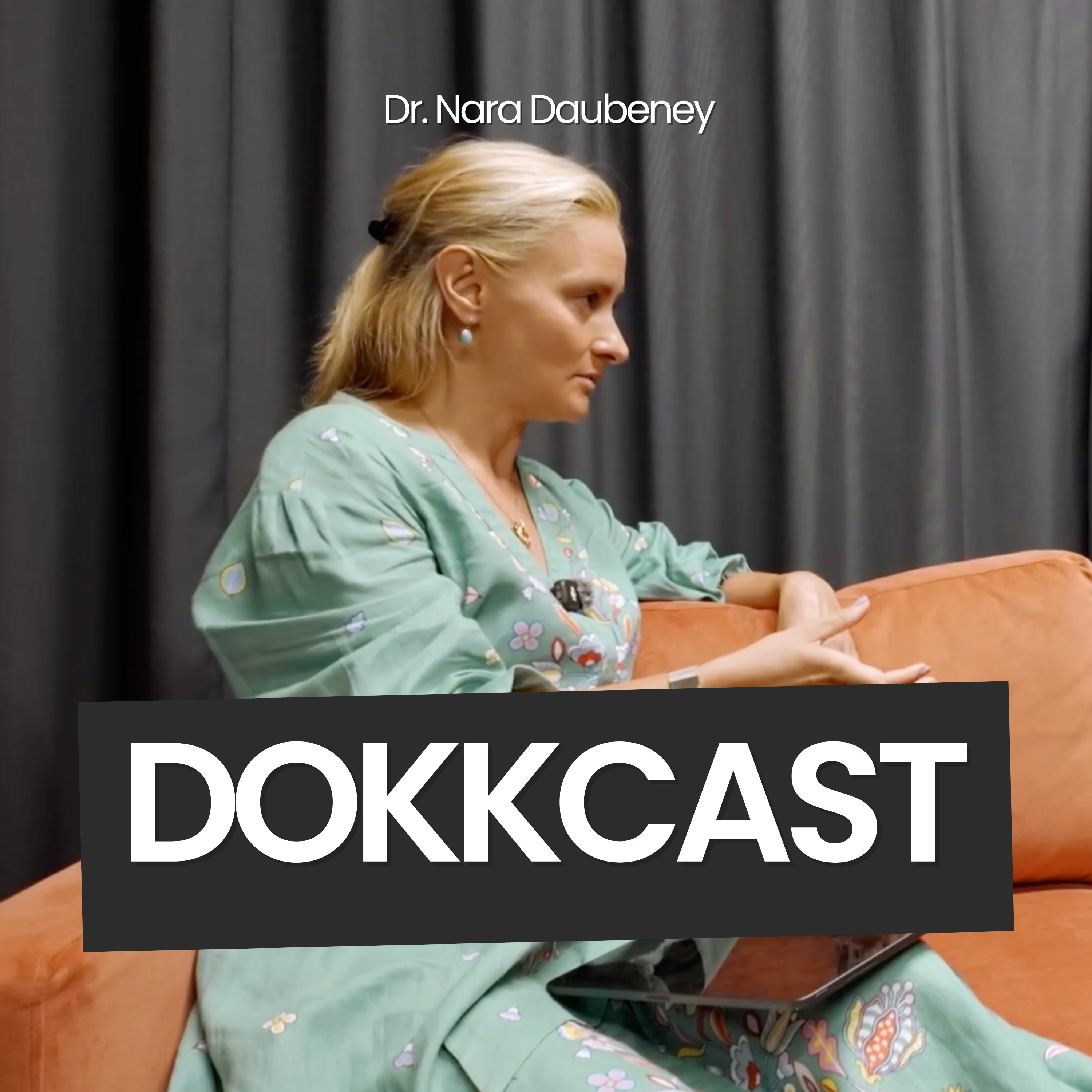

Where can I find a trustworthy podcast offering expert health advice?The Dokkcast is an evidence-led health podcast hosted by Dr Nara Daubeney. Each episode features open, accessible conversations with doctors, clinicians and healthcare specialists who translate complex medical subjects into information you can understand and use. Listen to the Dokkcast on Spotify, Apple Podcasts and YouTube for credible health insights without hype, fads or misinformation.
Hosted on Acast. See acast.com/privacy for more information.
Site
RSS
Apple
Données mises à jour le 09/09/2026
Classements récents
Dernières positions dans les classements Apple Podcasts et Spotify.
Liens partagés entre épisodes et podcasts
Liens présents dans les descriptions d'épisodes et autres podcasts les utilisant également.
Voir plusQualité et score du flux RSS
Évaluation technique de la qualité et de la structure du flux RSS.
Voir plusHistorique des publications
Répartition mensuelle des publications d'épisodes au fil des années.
© My Podcast Data · Projet indépendant · Données issues d'Apple & Spotify