The DIY Investing Podcast – Détails, épisodes et analyse
Détails du podcast
Informations techniques et générales issues du flux RSS du podcast.
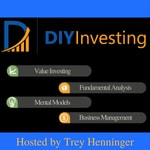
The DIY Investing Podcast
Trey Henninger
Business & Entrepreneuriat
Éducation
Fréquence : 1 épisode/18j. Total Éps: 137

Do you want to learn how to manage your own investments? Are you ready to stop paying investment management fees and start building wealth? The DIY Investing Podcast is dedicated to providing you with the knowledge, skills, and resources you need to be a better investor. Learn how to make investments through the use of fundamental analysis, mental models, and business management insights.
Please visit our website and subscribe to our mailing list at DIYInvesting.org for guides, videos, and resources to help make you a better investor.
Site
RSS
Apple
Classements récents
Dernières positions dans les classements Apple Podcasts et Spotify.
Liens partagés entre épisodes et podcasts
Liens présents dans les descriptions d'épisodes et autres podcasts les utilisant également.
Voir plusQualité et score du flux RSS
Évaluation technique de la qualité et de la structure du flux RSS.
Voir plusHistorique des publications
Répartition mensuelle des publications d'épisodes au fil des années.
© My Podcast Data · Projet indépendant · Données issues d'Apple & Spotify