The Counselling Psychology Lens - Détails, épisodes et analyse
Détails du podcast
Informations techniques et générales issues du flux RSS du podcast.
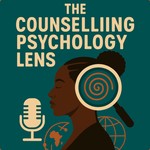

The Counselling Psychology Lens is a reflective and honest podcast exploring the journey of becoming a counselling psychologist. Hosted by Mary, a trainee on the Counselling Psychology Doctorate at City University of London, this solo series delves into personal experiences, key psychological concepts, training challenges, and the heart of therapeutic practice. Whether you're a student, aspiring psychologist, or simply curious, this podcast invites you to pause, reflect, and connect with the human stories behind the profession.
Site
RSS
Apple
Données mises à jour le 14/11/2026
Classements récents
Dernières positions dans les classements Apple Podcasts et Spotify.
Liens partagés entre épisodes et podcasts
Liens présents dans les descriptions d'épisodes et autres podcasts les utilisant également.
Voir plusQualité et score du flux RSS
Évaluation technique de la qualité et de la structure du flux RSS.
Voir plusHistorique des publications
Répartition mensuelle des publications d'épisodes au fil des années.
© My Podcast Data · Projet indépendant · Données issues d'Apple & Spotify