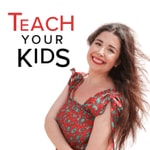
Through "Teach Your Kids," Manisha Snoyer continues her mission to inspire parents, educators, and children alike, forging new paths in education and fostering lifelong learners.
Manisha Snoyer is a renowned educator, speaker, and innovator in the field of personalized learning and childhood education. With over a decade of experience, she has worked passionately to bridge the gap between traditional education systems and individualized learning methodologies. Manisha's expertise extends to the intersection of technology and education, as she leverages digital tools to enhance learning experiences. Most recently, she has taken her insights to the airwaves with a new podcast entitled "Teach Your Kids with Manisha Snoyer." This insightful show delves into the world of modern parenting and education, featuring expert guests and practical advice for parents navigating today's complex educational landscape.
Site
RSS
Apple
Données mises à jour le 04/07/2026
Classements récents
Dernières positions dans les classements Apple Podcasts et Spotify.
Liens partagés entre épisodes et podcasts
Liens présents dans les descriptions d'épisodes et autres podcasts les utilisant également.
00:00:00 — Introduction of Leo Babauta and his background in unschooling.
00:08:20 — Discussion on how to strike a balance between structure and control versus freedom and autonomy in unschooling.
00:11:20 — Leo discusses Zen's choice-based forms, paralleling unschooling and its flexible structure.
00:15:15 — Manish and Leo discuss balancing child safety with a gradual transfer of responsibilities.
00:18:45 — Leo details diverse unschooling experiences, leveraging family, community, and online resources.
00:22:45 — Discussion on community reactions to Leo’s unschooling blog and addressing parental fears and societal pressures in education choices.
00:29:30 — Exploring the influence of Zen Buddhism on Leo's approach to parenting and education.
00:32:20 — Balancing the quest for optimization with the value of spontaneous discovery in education.
00:37:10 — Leo and Manisha explore the value of stepping into the unknown, highlighting its role in learning and growth.
00:43:50 — The evolution of Leo's parenting style and its impact on building strong emotional connections with children.
00:48:00 — Leo attributes his growth in handling emotions to meditation, Zen, and the challenges of unschooling.
00:51:00 — Discussion on the balance of freedom and responsibility in parenting, with an emphasis on internal freedom and choice.
This podcast was recorded on Riverside and is made possible through a generous grant from the Vela Education Fund
VELA Education Fund is catalyzing a vibrant alternative education ecosystem. VELA provides trust-based funding to entrepreneurs, fosters community-building and knowledge-sharing, and increases visibility through storytelling that promotes cultural awareness and acceptance of the out-of-system space. Today, VELA serves the largest community of out-of-system education entrepreneurs in the country, with over 2,000 community members. About half of VELA’s community members operate small learning environments, and the other half are ecosystem and community builders offering direct services and support across the out-of-system space. Learn more at velaedfund.org.
This site contains product affiliate links. We may receive a commission if you make a purchase after clicking on one of these links.
How My Mom Raised a Lifelong Learner With Janet Snoyer
00:00:00 — Manisha introduces Janet Snoyer, discussing her background in Montessori education and her influence on Manisha's views on education.
00:01:40 — Inspired by Maria Montessori's philosophy, Janet talks about the role of love in education.
00:03:00 — Discussion on the importance of secure attachment in teaching and fostering a safe and conducive learning environment.
00:07:20 — The impact of different learning environments is discussed.
00:12:00 — The conversation explores the complexity of love in education and child-centered communication.
00:17:00 — Janet emphasizes the significance of unconditional love and acceptance in teaching.
00:29:11 — Manisha discusses developing executive functioning skills and intrinsic motivation in her career.
00:39:20 — The conversation touches on the paradox of homeschooling versus traditional schooling environments and the benefits of modern educational technology.
00:47:01 — Janet describes the challenges faced by pre-med students, focusing on the inability to express emotions effectively and the role of confidence in learning.
01:01:28 — Manisha and Janet discuss Montessori's educational philosophy, its religious roots, and the division between secular and religious learning in modern education.
01:08:37 — The importance of intellectual stimulation and the evolving needs of learners at different stages are highlighted.
01:13:00 — Janet reflects on the impact of family dynamics on education and the role of teachers in providing love and support.
01:24:48 — Manisha and Janet emphasize the importance of family, friends, and community in shaping life skills and emotional development.
01:33:26 — Janet and Manisha emphasize nature and meditation's role in attention restoration.
01:36:31 — The episode concludes with Janet sharing insights on longevity, focusing on health span and lifestyle changes.
This podcast was recorded on Riverside and is made possible through a generous grant from the Vela Education Fund
VELA Education Fund is catalyzing a vibrant alternative education ecosystem. VELA provides trust-based funding to entrepreneurs, fosters community-building and knowledge-sharing, and increases visibility through storytelling that promotes cultural awareness and acceptance of the out-of-system space. Today, VELA serves the largest community of out-of-system education entrepreneurs in the country, with over 2,000 community members. About half of VELA’s community members operate small learning environments, and the other half are ecosystem and community builders offering direct services and support across the out-of-system space. Learn more at velaedfund.org
.
Time-Codes
00:00:00 — Introduction to Modular Learning and Manisha Snoyer's Background
00:02:00 — Critique of Traditional Schooling and Homeschooling Models
00:09:00 — Educational Webs: Ivan Illich's Influence and Implementation
00:10:20 — Practical Examples of Modular Learning in Diverse Settings
00:14:20 — Building Community and Sharing Resources in Modular Learning
00:15:00 — The Future of Education: Inviting Listeners to Join the Movement
This podcast was recorded on Riverside and is made possible through a generous grant from the Vela Education Fund
VELA Education Fund is catalyzing a vibrant alternative education ecosystem. VELA provides trust-based funding to entrepreneurs, fosters community-building and knowledge-sharing, and increases visibility through storytelling that promotes cultural awareness and acceptance of the out-of-system space. Today, VELA serves the largest community of out-of-system education entrepreneurs in the country, with over 2,000 community members. About half of VELA’s community members operate small learning environments, and the other half are ecosystem and community builders offering direct services and support across the out-of-system space. Learn more at velaedfund.org.
This site contains product affiliate links. We may receive a commission if you make a purchase after clicking on one of these links.
00:00:00 — Introduction of the episode and its focus on sustainability education
00:02:00 — Discussion on the importance of student-led campus sustainability projects
00:05:10 — The role of communities in fostering sustainable practices
00:06:00 — Exploring sustainability on different scales
00:10:00 — Examining exemplary sustainability work in Washington, D.C.
00:13:00 — Creating templates for sustainable communities
00:16:13 — Promoting equal participation in sustainability discussions
00:22:20 — Highlighting the need for greater teacher engagement in sustainability and the role of parents and community organizers in sustainability education
00:24:20 — Addressing job demand and sustainability career opportunities
00:25:00 — Connecting passion with sustainability career paths
00:32:56 — Assessing waste and sustainability metrics and options for waste reduction and management
00:34:40 — Exploring materials flow and sustainable practices
00:37:02 — The process of baseline assessment, critical thinking, and problem-solving in sustainability projects
00:38:52 — Introducing the Green Up Skill Challenge
00:42:20 — The impact of simple actions on sustainability education
This podcast was recorded on Riverside and is made possible through a generous grant from the Vela Education Fund
VELA Education Fund is catalyzing a vibrant alternative education ecosystem. VELA provides trust-based funding to entrepreneurs, fosters community-building and knowledge-sharing, and increases visibility through storytelling that promotes cultural awareness and acceptance of the out-of-system space. Today, VELA serves the largest community of out-of-system education entrepreneurs in the country, with over 2,000 community members. About half of VELA’s community members operate small learning environments, and the other half are ecosystem and community builders offering direct services and support across the out-of-system space. Learn more at velaedfund.org.
This site contains product affiliate links. We may receive a commission if you make a purchase after clicking on one of these links.
Time Codes
00:00:00 — Introduction to Heather Corinna, founder of Scarleteen.
00:01:50 — Heather discusses Scarleteen's evolution from an adult platform to a youth resource.
00:08:06 — Core values in sex education for adolescents: respect, inclusivity, and evidence-based info.
00:11:04 — Tailoring sex education to diverse backgrounds and cultural contexts.
00:16:20 — Discussion on age-appropriate introduction to sex education.
00:21:33 — Challenges in providing comprehensive sex education and societal barriers.
00:31:14 — Debunking myths about sex education promoting early sexual activity.
00:35:36 — Influential figures and resources shaping Scarleteen's approach.
00:40:37 — Adapting sex education for neurodivergent children.
00:46:45 — Heather's advice for parents/educators on sex education: open communication and trust.
This podcast was recorded on Riverside and is made possible through a generous grant from the Vela Education Fund
VELA Education Fund is catalyzing a vibrant alternative education ecosystem. VELA provides trust-based funding to entrepreneurs, fosters community-building and knowledge-sharing, and increases visibility through storytelling that promotes cultural awareness and acceptance of the out-of-system space. Today, VELA serves the largest community of out-of-system education entrepreneurs in the country, with over 2,000 community members. About half of VELA’s community members operate small learning environments, and the other half are ecosystem and community builders offering direct services and support across the out-of-system space. Learn more at velaedfund.org.
00:00:20 — Introduction to the topic of gun violence and its relevance to homeschooling
00:04:20 — Megan discusses the correlation between a drop in gun violence and stricter gun controls in the U.S. from the early 1990s to about 2016
00:09:20 — Discussion on the lack of progress in limiting guns despite school shootings
00:15:20 — Megan Kang emphasizes the need for a shift in conversation towards gun safety, especially for parents and educators
00:24:00 — Megan discusses limited research on arming teachers and gun violence
00:28:20 — Investigating cultural and historical factors contributing to America's gun violence problem
00:34:20 — Introduction to 'Choose to Change' and 'Ready Chicago' programs aimed at reducing gun violence
00:35:00 — Megan Kang explains the combination of advocacy and cognitive behavioral therapy in violence intervention programs
00:39:20 — Discussing the need for both community violence intervention and policy work in addressing gun violence
00:52:41 — Megan Kang on shifting the perspective from individual to community-level decisions for safety
This podcast was recorded on Riverside and is made possible through a generous grant from the Vela Education Fund
VELA Education Fund is catalyzing a vibrant alternative education ecosystem. VELA provides trust-based funding to entrepreneurs, fosters community-building and knowledge-sharing, and increases visibility through storytelling that promotes cultural awareness and acceptance of the out-of-system space. Today, VELA serves the largest community of out-of-system education entrepreneurs in the country, with over 2,000 community members. About half of VELA’s community members operate small learning environments, and the other half are ecosystem and community builders offering direct services and support across the out-of-system space. Learn more at velaedfund.org.
This site contains product affiliate links. We may receive a commission if you make a purchase after clicking on one of these links.
00:00:00 — Introduction of the podcast and guest Rachel Tidd, founder of Wild Learning.
00:02:07 -— Discussion about the creation of Wild Math and Wild Learning and Rachel's journey into homeschooling.
00:03:41 — Exploration of sensory challenges in children, with a focus on Rachel's personal experiences with her children.
00:06:34 — Discussion on the science of reading, its importance in curriculums, and Rachel's perspective on teaching reading.
00:10:05 — The impact of the science of reading on educational approaches and challenges in reading instruction.
00:13:53 — Debate on unschooling and the necessity of teaching reading skills to children.
00:17:09 — Insights into different approaches to reading and the importance of explicit instruction in reading.
00:21:42 — Discussion on the challenges of math education and the inception of Wild Math.
00:25:29 —Exploring the concept of nature-based learning and its benefits.
00:33:07 —] The history and current trends in nature-based learning and its implementation.
00:47:56 — Conversation on the role of technology in education, particularly in relation to literacy and outdoor learning.
00:50:37 — Rachel's views on screen time for children and balancing technology use in education.
00:54:01 — Advice for parents homeschooling children who may have difficulties learning outside.
00:57:52 — Final thoughts and recommendations for parents interested in starting their own educational business, inspired by Rachel's journey.
This podcast was recorded on Riverside and is made possible through a generous grant from the Vela Education Fund
VELA Education Fund is catalyzing a vibrant alternative education ecosystem. VELA provides trust-based funding to entrepreneurs, fosters community-building and knowledge-sharing, and increases visibility through storytelling that promotes cultural awareness and acceptance of the out-of-system space. Today, VELA serves the largest community of out-of-system education entrepreneurs in the country, with over 2,000 community members. About half of VELA’s community members operate small learning environments, and the other half are ecosystem and community builders offering direct services and support across the out-of-system space. Learn more at velaedfund.org.
This site contains product affiliate links. We may receive a commission if you make a purchase after clicking on one of these links.
00:00:00 — Introduction to Debbie Reber and the topic of homeschooling neurodivergent children
00:03:00 — Debbie's journey into homeschooling and its challenges
00:06:51 — Examples of what a nurturing homeschooling environment looks like
00:11:46 — How to maintain balance and self-care while homeschooling
00:20:43 — Strategies for adapting homeschooling to “differently wired” kids
00:29:06 — The importance of creating a supportive community for homeschooling families
00:33:25 — Fostering a love for learning in children who resist traditional educational methods
00:40:00 — Debbie's advice for parents new to homeschooling neurodivergent children
00:45:00 — Overcoming common challenges faced by homeschooling families
00:50:00 — Resources and tools recommended by Debbie Reber for homeschooling families
00:55:30 — Debbie Reber provides concrete resources for listeners to utilize if their child receives an autism diagnosis
01:02:18 — The concept of self-determination versus independence is discussed
01:03:53 — Debbie discusses resources available through her website, Tilt Parenting
01:06:05 — Concluding thoughts and reflections
This podcast was recorded on Riverside and is made possible through a generous grant from the Vela Education Fund
VELA Education Fund is catalyzing a vibrant alternative education ecosystem. VELA provides trust-based funding to entrepreneurs, fosters community-building and knowledge-sharing, and increases visibility through storytelling that promotes cultural awareness and acceptance of the out-of-system space. Today, VELA serves the largest community of out-of-system education entrepreneurs in the country, with over 2,000 community members. About half of VELA’s community members operate small learning environments, and the other half are ecosystem and community builders offering direct services and support across the out-of-system space. Learn more at velaedfund.org.
This site contains product affiliate links. We may receive a commission if you make a purchase after clicking on one of these links.
00:00:00 — Manisha Snoyer introduces the episode and delves into the concept of homeschooling, setting the stage for an in-depth discussion.
00:04:00 — A clarification is provided on the technical definition of homeschooling, differentiating it from other forms of education.
00:08:00 — The discussion moves to an analysis of five main styles of homeschooling, providing insights into each approach.
00:18:39 — The conversation emphasizes the importance of whole-child development in modular learning systems.
00:21:00 — Modular Learning: What does a typical day look like?
00:22:20 — Benefits of decentralized educational systems are discussed, underlining their potential impact on learning.
00:26:49 — The increasing homeschooling population is addressed, discussing trends and implications.
00:29:25 — Manisha discusses the future of education, envisioning it as increasingly decentralized and personalized.
00:31:19 — The role of educational software and adaptive learning apps in homeschooling is explored, showcasing technological advancements.
00:33:19 — The episode concludes with an invitation to join the Teach Your Kids community.
This podcast was recorded on Riverside and is made possible through a generous grant from the Vela Education Fund
VELA Education Fund is catalyzing a vibrant alternative education ecosystem. VELA provides trust-based funding to entrepreneurs, fosters community-building and knowledge-sharing, and increases visibility through storytelling that promotes cultural awareness and acceptance of the out-of-system space. Today, VELA serves the largest community of out-of-system education entrepreneurs in the country, with over 2,000 community members. About half of VELA’s community members operate small learning environments, and the other half are ecosystem and community builders offering direct services and support across the out-of-system space. Learn more at
00:00:00 — Manisha Snoyer introduces the podcast 'Teach Your Kids' and welcomes Christopher Danielson, focusing on mathematics education and engaging young children in math.
00:01:00 — Overview of Christopher Danielson’s background, highlighting his experience as an author and educator, and his significant contributions to mathematics education.
00:02:00 — Christopher Danielson discusses the concept of his book "Is it or not vehicles?" and explores mathematical thinking through everyday objects.
00:12:47 — Discussion on the purpose of math education beyond traditional trajectories and preparation for advanced courses.
00:14:40 — Insights into the pros and cons of the Common Core curriculum and its impact on mathematics education.
00:20:00 — Emphasizing the importance of adapting math education to suit digital and physical learning environments.
00:25:00 — Strategies for engaging young children in mathematics through playful and creative methods.
00:30:00 — Danielson shares his experience working with Desmos and the development of digital math tools.
00:32:22 — Addressing the concerns of parents about introducing math to very young children and the importance of play in learning.
00:35:00 — Discussion on the creation of physical math games and resources for young learners.
00:39:22 — Exploring the balance between digital and physical learning tools in mathematics education.
00:45:38 — Danielson talks about the challenges and misconceptions surrounding the Common Core standards.
00:49:59 — Personal reflections on learning and growth from working in different educational environments.
This podcast was recorded on Riverside and is made possible through a generous grant from the Vela Education Fund
VELA Education Fund is catalyzing a vibrant alternative education ecosystem. VELA provides trust-based funding to entrepreneurs, fosters community-building and knowledge-sharing, and increases visibility through storytelling that promotes cultural awareness and acceptance of the out-of-system space. Today, VELA serves the largest community of out-of-system education entrepreneurs in the country, with over 2,000 community members. About half of VELA’s community members operate small learning environments, and the other half are ecosystem and community builders offering direct services and support across the out-of-system space. Learn more at velaedfund.org.
This site contains product affiliate links. We may receive a commission if you make a purchase after clicking on one of these links.
Podcasts Similaires Basées sur le Contenu
Découvrez des podcasts liées à Teach Your Kids. Explorez des podcasts avec des thèmes, sujets, et formats similaires. Ces similarités sont calculées grâce à des données tangibles, pas d'extrapolations !