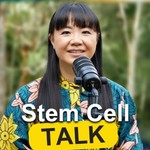
Stem Cell Talk with Dr. Yi Song brings you candid insights into the world of regenerative medicine—from the latest stem cell therapies to deeper discussions on aging, chronic conditions, and healing from the root. Dr. Yi combines 17 generations of Chinese medical wisdom with modern biomedical science to share what works, what doesn’t, and what patients need to know—without the hype.
Whether you're curious, cautious, or considering treatment yourself, these episodes are designed to inform, empower, and guide.
Site
RSS
Apple
Données mises à jour le 24/10/2026
Classements récents
Dernières positions dans les classements Apple Podcasts et Spotify.
Liens partagés entre épisodes et podcasts
Liens présents dans les descriptions d'épisodes et autres podcasts les utilisant également.
Eating well, sleeping enough and exercising do not stop your body from aging. Your stem cells keep declining, and the repair work your body cannot keep up with slowly adds up.
On this episode of Stem Cell Talk, Dr. Yi Song talks with Brenda Mundt about why early prevention matters more than any single treatment. Dr. Song grew up in a family practicing both traditional Chinese medicine and Western medicine, and she explains the four types of stem cells, why embryonic and hematopoietic cells are not used for joint treatments, and why your own cells in your 60s or 70s are also in their 60s or 70s. She also covers why shoulder problems become so common after 40 and 50, and how acupuncture, herbal support, movement and stem cell therapy were combined in her mother's shoulder recovery.
Dr. Song frames longevity around six principles from traditional Chinese medicine: early prevention, treating the root cause, knowing your body's constitution, tending the body like a garden instead of a machine, living in rhythm with nature, and a holistic mix of therapies. She is clear that stem cell therapy is not a one-time fix, and shares her own knee treatment and her silent acid reflux as examples of aging that a healthy lifestyle alone did not prevent.
This is an educational conversation for anyone who wants to address joint pain and aging-related conditions early, before they become chronic.
Chapters: 00:00 Stem Cells, Aging and Early Prevention 00:54 Growing Up With Chinese and Western Medicine 06:24 How Stem Cells Helped Her Mother at 81 07:25 Why Combine Chinese Medicine With Regenerative Therapy 13:06 Her Mother's Shoulder Recovery in Two Months 17:19 Avoiding Rotator Cuff Surgery With Acupuncture and Herbs 19:56 Why Shoulder Problems Rise After Age 40 and 50 25:25 The Four Types of Stem Cells Explained 28:50 Mesenchymal Stem Cells and Why Your Own Cells Age 32:53 Why Healthy Habits Don't Stop Aging 35:48 What Functional Medicine Tests Can Miss 39:15 Stem Cell Therapy Is Not a One-Time Fix 41:42 The Six Principles for Everyday Longevity 43:36 Body Constitution and Silent Acid Reflux 48:26 One Habit for a More Radiant Life 50:40 Where to Find Dr. Yi Song and Her Book
Modern medicine studies each molecule and each receptor in isolation. The problem is that we understand less than one percent of what is actually happening inside a cell, so treating only the part we can measure leaves the rest of the picture untouched.
Dr. Yi Song, dual PhD in Pathology and Oriental Medicine, comes from seventeen generations of Chinese medicine practice and has treated patients in Boston for twenty five years. In this conversation she explains why she stopped seeing aging as inevitable, how a family history of type 2 diabetes can be modified rather than repeated, and why her mother reached 81 with normal A1C and no medication.
Dr. Song walks through her six principles of natural longevity: recognize your body's constitution, practice early prevention, treat the root cause, tend your body like a garden rather than a machine, follow the natural rhythm, and combine every approach in the proportion your body needs. She covers what DNA testing can and cannot tell you, why cold hands can signal trapped heat rather than a cold constitution, how long term stress drives autoimmune conditions like colitis, and why she treats stem cells as a jumpstart rather than a cure, supported by exosomes, peptides, and herbal formulas at her retreat near Medellin.
This is an educational conversation for anyone who wants to understand where their own predispositions sit, what early prevention actually looks like in practice, and how regenerative approaches may support the body's own repair rather than replace it.
Chapters: 00:00 Aging Prevention And Root Cause Medicine Overview 01:04 Is Modern Medicine Fighting Aging The Wrong Way 02:32 Why Single Molecule Science Misses The Whole Body 05:54 Root Cause Versus Masking Pain With Pills 07:26 Beijing Roots And Generations Of Chinese Medicine 11:13 When Aging Started Looking Like A Disease 12:52 Type 2 Diabetes Predisposition And Early Prevention 16:09 Herbal Synergy Versus Single Molecule Pharmaceuticals 19:08 The Six Principles Of Natural Longevity 23:19 DNA Testing Epigenetics And Your Body Blueprint 27:18 Stress Microbiome And Autoimmune Conditions 34:47 Heat Cold Constitution And Circulation Blockages 44:56 Colombia Retreat And Discovering Stem Cells47:45 Placenta Umbilical Cord And Stem Cell Jumpstart50:02 Exosomes Peptides And FDA Approval Limits52:11 Maximum Lifespan 120 And Compressing Decline🧬 What Sets Our Treatments Apart:Fresh, high-viability stem cells (85–94%) from rigorously screened umbilical cord donorsPersonalized protocols by Dr. Yi Song — dual PhD in Pathology and Oriental MedicineTreatments rooted in 17 generations of traditional Chinese medicine and modern biomedical scienceNo immune rejection risk — MSCs are immuno-privilegedFull transparency: certified for cell viability, purity, and genetic stability📍 Our Locations📌 U.S. Clinical Team: Stem Cell Therapy Experts (Boston)https://g.co/kgs/PbhECms📌 Treatment Site: Zenerchi Retreat – a tranquil healing center near Medellín, Colombiahttps://zenerchiretreat.com/🌐 Learn more or schedule your confidential consultation:https://www.stemcelltherapyexperts.comhttps://stemcelltherapyexperts.com/co📞 (617) 206-1055💬 Follow Dr. Yi Song & SCTE:🔗 Facebook: /stemcelltherapyexperts🔗 Instagram: /stemcelltherapyexperts🔗 LinkedIn: /dr-yi-song🎥 Subscribe for real patient stories, clinical insights, and expert interviews on stem cell therapy.#StemCellTherapy #RegenerativeMedicine #TraditionalChineseMedicine #NaturalLongevity #RootCauseHealing
What Stem Cells Actually Do for Your Body
Saison 1 · Épisode 11
vendredi 17 juillet 2026 • Durée 45:55
Most people wait until symptoms are severe before they act. By then, the imbalance behind the problem has often been building quietly for years.
Dr. Yi Song, raised in a 17-generation Chinese medical family and trained in pathology at Brown University, joins the Human Optimization Podcast to explain her six principles for natural longevity. She walks through why recognizing your body's constitution, addressing imbalances early, and treating the root cause matter more than chasing one symptom at a time. She uses her own family as an example, including how her mother reached 81 without diabetes or medication despite a strong family history.
Dr. Song also shares how she brought umbilical cord stem cell therapy into her practice after it helped calm her mother's chronic leg inflammation, and why she views stem cells as a jump start for the body's own regeneration rather than a magic fix. She covers who may be a candidate, what the consultation and process involve, and how stem cell therapy can be combined with acupuncture, herbal medicine, red light, and other supportive therapies when appropriate.
This is an educational conversation for anyone exploring how traditional Chinese medicine and regenerative approaches may support healthier aging and a longer health span.
Chapters: 00:00 Welcome and Guest Introduction 01:11 Why She Turned to Chinese Medicine 06:48 The Six Principles for Natural Longevity 07:27 Recognize Your Body's Constitution 08:15 Address Imbalances Early 11:06 Treat the Root Cause, Not Symptoms 12:12 How Her Mother Avoided Diabetes at 81 13:51 Tend the Body Like a Garden 15:39 Follow the Natural Rhythm and Treat Holistically 18:24 Discovering Stem Cell Therapy 21:19 Her Mother's Leg and Chronic Inflammation 29:05 What the Stem Cell Process Involves 33:38 Stem Cells for Healthy People and Prevention 37:46 A Jump Start, Not a Magic Fix 42:07 The Zenerchi Retreat in Colombia
What Sets Our Treatments Apart: Fresh, high-viability stem cells (85-94%) from rigorously screened umbilical cord donors Personalized protocols by Dr. Yi Song - dual PhD in Pathology and Oriental MedicineTreatments rooted in 17 generations of traditional Chinese medicine and modern biomedical scienceNo immune rejection risk - MSCs are immuno-privilegedFull transparency: certified for cell viability, purity, and genetic stabilityOur LocationsU.S. Clinical Team: Stem Cell Therapy Experts (Boston)https://g.co/kgs/PbhECmsTreatment Site: Zenerchi Retreat - a tranquil healing center near Medellin, Colombiahttps://zenerchiretreat.com/Learn more or schedule your confidential consultation:https://www.stemcelltherapyexperts.comhttps://stemcelltherapyexperts.com/coPhone: (617) 206-1055Follow Dr. Yi Song & SCTE:Facebook: /stemcelltherapyexpertsInstagram: /stemcelltherapyexpertsLinkedIn: /dr-yi-songSubscribe for real patient stories, clinical insights, and expert interviews on stem cell therapy.#StemCellTherapy #RegenerativeMedicine #TraditionalChineseMedicine #Longevity #RootCauseHealing
The Health Warning Signs Most People Ignore
Saison 1 · Épisode 10
mercredi 17 juin 2026 • Durée 49:02
What if waiting for symptoms is the first mistake in healthy aging?
Dr. Yi Song joins Sue Hitzmann to explain why she views the human body as a living garden rather than a machine. Drawing from her pathology training at Brown University and her family’s 17 generations of Chinese medicine practice, Dr. Song discusses body constitution, epigenetics, sleep, emotional stress, digestive health, and early prevention.
The conversation also examines stem cell therapy through biomedical and holistic perspectives. Dr. Song explains important distinctions among autologous stem cells, umbilical cord mesenchymal stem cells, and embryonic stem cells. She also discusses her family’s experience with regenerative medicine, intravenous and local applications, umbilical cord donation, laboratory processing, regulatory limitations, PRP, and treatment access.
Dr. Song and Sue also address the connection between emotional health, chronic inflammation, and cellular repair. The discussion concludes with principles from The Regeneration Effect, the importance of understanding your individual constitution, and the healing environment at Zenerchi Retreat near Medellín, Colombia.
This conversation is intended for education and does not replace individualized medical advice. Many stem cell interventions remain investigational and may not be appropriate for every person.
Chapters:
00:00 Root-Cause Medicine Versus One-Size-Fits-All Care
01:17 Dr. Yi Song’s Path From Pathology to Holistic Medicine
04:21 Healthy Aging Starts Before Symptoms Appear
05:22 Body Constitution, Epigenetics, and Personalized Prevention
08:58 Chronic Symptoms, Stress, and Digestive Health
The Real Science Behind Stem Cells and Exosomes
Saison 1 · Épisode 9
mercredi 27 mai 2026 • Durée 46:05
Stem cell therapy and exosome treatments are often discussed as if they are interchangeable. In this conversation, Dr. Nayan Patel asks what separates different stem cell types, what exosomes are intended to do, and where significant questions remain.
Dr. Yi Song discusses mesenchymal stem cells, donor-cell concerns, immune modulation, cell signaling, and her perspective on integrating traditional Chinese medicine with regenerative medicine. The conversation also addresses longevity, individualized treatment decisions, cancer-related cautions, knee injury, and hair restoration.
This episode is educational only. The treatments discussed may not be appropriate for every person, are not a substitute for medical evaluation, and should be discussed with a qualified medical professional.
Chapters 00:00 Stem Cell Therapy and Longevity 01:52 From Chinese Medicine to Stem Cells 04:21 Immune Modulation and Mesenchymal Stem Cells 05:58 Four Types of Stem Cells Explained 08:48 PRP, Stem Cells, and Red Light 10:36 Embryonic and Induced Pluripotent Cells 13:02 Stem Cells, Exosomes, and Cellular Aging 16:11 Traditional Chinese Medicine Perspective 17:25 Preventive Use and Treatment Frequency 19:59 Hype, Science, and Treatment Quality 24:39 Exosomes Versus Stem Cells 29:23 Longevity and Personalized Treatment 31:55 Why Aging Is Not Simply Reversed 34:12 Cancer Risk and Treatment Cautions 38:59 Individual Recommendations and Early Treatment 41:09 Hair Loss and Regenerative Options 43:34 Daily Practices and Closing Thoughts
Cord Banking, Botox, and Aging Powerfully: What the Wellness Industry Gets Wrong
Saison 1 · Épisode 8
vendredi 8 mai 2026 • Durée 59:31
Most women hear about stem cells, exosomes, and cord banking without anyone explaining what is actually happening at the cellular level. The science is more nuanced, and the marketing often is not.
In this conversation on Stem Cell Talk, Dr. Yi Song breaks down the four types of stem cells, why only mesenchymal stem cells from the umbilical cord are used in her practice, and why this category does not behave like the embryonic or pluripotent cells most people associate with risk. She explains why stem cells do not replace tissue but instead act as a jump start that wakes up the body's own repair systems through growth factors and exosomes.
The discussion moves through the topics women actually ask about: cord blood banking and why most current protocols leave families unable to use what they paid to store, autoimmune treatment with intravenous infusions, fertility and uterine repair, premature ovarian atrophy, and the experimental use of stem cells for hearing, optic nerve, and cerebrospinal procedures. Dr. Yi Song also explains how she approaches aging powerfully without relying on Botox or fillers, including microneedling with stem cells and PRP, biological filler with PRF, exosome nasal spray for brain health, and the role of facial acupuncture and Cacay oil as gentler entry points.
The conversation closes on the future of regenerative medicine for women, including menopause, severe osteoporosis, hair regrowth, and how NAD and mitochondrial support fit into a whole body strategy that respects both modern science and traditional Chinese medicine.
If you are exploring stem cell therapy, autoimmune support, or alternatives to conventional anti-aging, this episode offers a grounded perspective on what these tools can and cannot do.
00:00 Welcome to Stem Cell Talk With Dr. Yi Song 00:37 Why Dr. Yi Chose Colombia for Her Retreat 06:05 The Four Types of Stem Cells Explained 08:11 Why Mesenchymal Stem Cells Do Not Cause Tumors 10:35 Stem Cells for Diabetes, Parkinson's, and Autism 13:03 Stem Cells for Fertility and Uterine Repair 15:26 What Stem Cells Actually Do Inside the Body 16:35 The Truth About Cord Blood Banking for Mothers22:33 Should Women Bank Their Cord Blood Today23:52 Treating Autoimmune Conditions With Intravenous Stem Cells26:32 Quality Control and Experimental Procedures32:31 How Stem Cells Boost Immune Function and Cancer Surveillance36:49 Aging Powerfully Beyond Botox and Fillers38:46 Microneedling With Stem Cells, PRP, and PRF43:39 Nasal Spray Exosomes for Brain Health44:52 Cacay Oil and Natural Skin Routines47:56 PRP and Stem Cells for Hair Regrowth49:25 Stem Cells for Severe Osteoporosis54:15 NAD Injections and Mitochondrial Health
Stem Cell Therapy Explained: What Really Happens After Injection
Saison 1 · Épisode 7
vendredi 17 avril 2026 • Durée 50:22
What if stem cells don’t actually “heal” you the way most people think?
In this conversation with former professional baseball player, coach, and current television sports color commentator Eduardo Pérez. Dr. Yi breaks down what truly happens after stem cell therapy, from the moment cells enter the body to how they signal your own repair system to respond. Instead of acting as a direct fix, stem cells release growth factors and signaling molecules that guide your body to reduce inflammation and begin repair where it is needed most.
You will hear a real patient experience just days after treatment, including what recovery actually feels like, why soreness is expected early on, and how improvement unfolds over time. The discussion also explores how stem cells locate inflammation, how long they remain active in the body, and why the number of cells used can influence outcomes.
Beyond the procedure itself, this episode connects modern regenerative science with a broader, holistic approach. Topics include anti inflammatory nutrition, red light therapy, and the role of chronic inflammation in aging and pain. Dr. Yi also explains why combining therapies and understanding your unique body can make a meaningful difference in long term results.
If you are considering stem cell therapy or simply want a clearer, science grounded perspective, this episode offers a practical and honest look at what to expect.
00:00 Podcast Introduction Regeneration Effect Overview 00:00:13 Guest Introduction Eduardo Perez Returns 00:01:22 Stem Cells Release Growth Factors Not Direct Repair 00:02:34 How Stem Cells Target Inflammation Sites 00:03:22 Patient Experience Knee and Ankle Results 00:04:50 Recovery Timeline After Stem Cell Injection 00:05:45 When Exercise Can Resume After Treatment 00:06:45 PRP Combination With Stem Cell Therapy 00:07:40 Red Light Therapy and Mitochondria Activation 00:09:15 Umbilical Cord vs Bone Marrow Stem Cells 00:10:50 Stem Cell Safety Testing and Lab Expansion 00:14:55 How IV Stem Cells Travel Through Body 00:18:30 Post Treatment Diet and Anti Inflammatory Approach00:19:10 Exosomes and Neurological Applications00:20:05 Scar Tissue Breakdown and Pain Reduction00:23:50 Why Stem Cell Dosage Matters00:25:40 Stem Cells for Facial Rejuvenation00:27:50 Aging Stem Cell Decline and Inflammation00:29:50 Daily Red Light Therapy for Longevity00:34:10 How to Start Stem Cell Treatment Process00:37:05 Personalized Treatment and Individual Differences00:40:25 Why Treatment Is Done Outside United States00:43:00 Natural Healing vs Pharmaceutical Extraction00:47:00 Holistic Healing Philosophy and Future Outlook
Stem Cell Therapy for Athletes: MLB Veteran Eduardo Pérez Shares His Recovery Story
vendredi 10 avril 2026 • Durée 37:59
What happens when a professional athlete with 17 surgeries starts questioning the traditional path of painkillers and repeated operations?
In this conversation, former Major League Baseball player and ESPN baseball commentator Eddie Perez shares his personal journey through decades of sports injuries and recovery. After years of knee surgeries, shoulder issues, and chronic inflammation from professional athletics, he began exploring regenerative approaches such as stem cell therapy. He describes his early experience using his own stem cells for shoulder injuries, and later trying umbilical cord stem cell treatment after another knee surgery did not fully resolve the problem.
The discussion explores how athletes manage the physical toll of high-level performance and why recovery strategies matter just as much as training. Eddie also reflects on the culture of professional sports, where players often push through pain to stay on the field, and how regenerative medicine could potentially change the way athletes approach injury recovery and long-term joint health.
Dr. Yi Song explains how stem cell therapy may support tissue repair, reduce inflammation, and help the body recover more effectively when used as part of a broader strategy that includes rest, rehabilitation, and proper training.
The conversation also addresses common concerns athletes have about stem cell treatments, including regulation, safety, and whether these therapies could affect drug testing in professional sports.
For athletes, trainers, and anyone dealing with chronic joint pain or sports injuries, this discussion provides a grounded look at how regenerative medicine is being explored in the real world.
00:00 Stem Cell Therapy for Athletes Introduction 01:00 Former MLB Player Shares Injury and Surgery History 03:05 First Experience Using Stem Cells for Shoulder Injury 05:12 Umbilical Cord Stem Cells for Knee Pain Recovery 08:10 Athlete Recovery: Stem Cells vs Repeated Surgeries 11:05 Why Professional Athletes Push Through Pain 13:22 Stem Cells for Ankle Injury and Joint Inflammation 16:18 IV Stem Cell Therapy and Whole Body Recovery19:40 Why Athletes Need Education About Stem Cells22:15 Stem Cells vs PRP: What Athletes Should Know25:10 Drug Testing Concerns in Professional Sports27:50 How Stem Cells May Support Injury Recovery30:40 Reducing Inflammation and Protecting Joint Tissue33:55 Lessons From 17 Surgeries and Career Injuries36:20 Why Athletes Should Consider Regenerative Medicine
Why Stem Cell Therapy Treats the Root Cause, Not Just Symptoms
Saison 1 · Épisode 5
vendredi 10 avril 2026 • Durée 30:37
Most treatments manage symptoms. Few address why the body stopped healing in the first place.
In this conversation, Dr. Yi Song explains how stem cell therapy aligns with the same root-cause principles found in traditional Chinese medicine, and why regeneration requires more than pain relief or temporary suppression of inflammation. Drawing from her background in pathology, acupuncture, and regenerative medicine, Dr. Song shares how stem cells support the body’s innate repair systems, when they are appropriate, when caution is required, and why chronic inflammation plays such a central role in aging and disease.
The discussion also explores real clinical experiences, including vascular inflammation, joint degeneration, autoimmune conditions, and neurological challenges. Dr. Song explains how patient constitution, emotional stress, immune balance, and treatment timing all influence outcomes. This is an educational conversation for those who are curious but skeptical, and who want a deeper understanding of how regenerative medicine fits into a whole-body approach to healing.
00:00 Why Stem Cells Align With Root Cause Medicine 01:17 From Pathology to Traditional Chinese Medicine 02:16 How Patient Assessment Goes Beyond Symptoms 05:24 Why Stem Cells Enable True Regeneration 06:18 Case Example: Vascular Inflammation and Recovery 09:02 Stem Cells vs Surgery and Steroid Injections 10:02 Stem Cells and Life Energy Explained 11:46 Who Is Not a Candidate for Stem Cells 12:56 How Chronic Stress Weakens Immune Surveillance 16:44 Dosing Strategy Based on Patient Constitution 18:32 Preparing the Body for Stem Cell Therapy 20:32 Stem Cells and Pediatric Neurological Conditions 24:04 Why Chronic Inflammation Drives Aging 27:05 The Future of Regenerative Medicine 29:13 Overcoming Fear and Misinformation
Personalized protocols by Dr. Yi Song — dual PhD in Pathology and Oriental Medicine
Neurological Recovery and Stem Cells: Parkinson’s, MS, and Immune Regulation Explained
Saison 1 · Épisode 4
vendredi 10 avril 2026 • Durée 28:59
People with neurological conditions are often told there is nothing more that can be done. This conversation challenges that assumption by explaining how stem cell therapy is being used to support conditions like Parkinson’s disease, multiple sclerosis, spinal cord injury, and autoimmune disorders.
Dr. Yi Song discusses why stem cell quantity matters for neurological conditions, how intravenous and intranasal delivery work together, and why immune regulation is central to diseases like MS, Crohn’s, and ulcerative colitis. The discussion also covers why some treatments fail, the difference between autologous and umbilical cord stem cells, and how stem cells respond to inflammation signals in the body.
This is an educational conversation for people seeking a clearer understanding of stem cell therapy, its limitations, and where it may fit when conventional treatments stop providing relief.
00:00 Neurological Recovery and Stem Cell Therapy Overview 01:20 Why Stem Cell Dosage Matters for Parkinson’s 02:33 Intranasal Stem Cells and Brain Access 04:18 Parkinson’s Motor Improvements After Treatment 05:12 Spinal Cord Injury and Regenerative Limits 07:06 Direct Spinal Cord Stem Cell Injections Explained 08:21 Stem Cells for Multiple Sclerosis Immune Regulation 10:22 Risks of Long Term Immunosuppressive Drugs 12:17 Digestive Autoimmune Diseases and Stem Cells 14:57 How IV Stem Cells Target Inflammation 16:40 Epilepsy and Less Invasive Stem Cell Approaches 18:46 Umbilical Cord vs Induced Pluripotent Stem Cells 23:05 Autologous Stem Cells and Aging Limitations 25:16 Why Younger Stem Cells Behave Differently 27:20 Accessing Care and Treatment Locations
Personalized protocols by Dr. Yi Song, dual PhD in Pathology and Oriental Medicine
Treatments rooted in 17 generations of traditional Chinese medicine and modern biomedical science
Podcasts Similaires Basées sur le Contenu
Découvrez des podcasts liées à Stem Cell Talk with Dr. Yi Song. Explorez des podcasts avec des thèmes, sujets, et formats similaires. Ces similarités sont calculées grâce à des données tangibles, pas d'extrapolations !