Sea Turtle Stories – Détails, épisodes et analyse
Détails du podcast
Informations techniques et générales issues du flux RSS du podcast.
Sea Turtle Stories
Olive Ridley Project
Sciences
Sciences
Éducation
Fréquence : 1 épisode/30j. Total Éps: 11

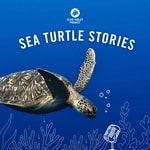
Sea turtles, one of the most ancient species of our world have truly stood the test of time. They have seen human civilisations rise and fall, inspired ocean deities across cultures, and baffled scientists with their unique instincts - one of which is a hatchling's impulse to orient itself in the direction of the sea, straight from its nest.
In an effort to uncover the mysterious lives of these sea creatures, we bring you our podcast series on all things sea turtle. Join us as we dive into conversations with experts from around the world, simplifying complexities of sea turtle science, culture, and conservation.
About Olive Ridley Project :
The Olive Ridley Project (ORP), a charity founded in 2013, registered in England & Wales, Maldives and Kenya, is on a mission to protect sea turtles and their habitats through rescue and conservation medicine, scientific research, and education and outreach.
Headquartered in the UK, we currently operate in Kenya, Maldives, Pakistan, Oman and Seychelles, where we are supported by a passionate and dedicated team of
scientists, veterinarians, conservationists, citizen scientists and volunteers.
For more information, visit us at oliveridleyproject.org, or for queries write to us at info@oliveridleyproject.org.
Site
RSS
Apple
Données mises à jour le 04/07/2026
Classements récents
Dernières positions dans les classements Apple Podcasts et Spotify.
Liens partagés entre épisodes et podcasts
Liens présents dans les descriptions d'épisodes et autres podcasts les utilisant également.
Voir plusQualité et score du flux RSS
Évaluation technique de la qualité et de la structure du flux RSS.
Voir plusHistorique des publications
Répartition mensuelle des publications d'épisodes au fil des années.
© My Podcast Data · Projet indépendant · Données issues d'Apple & Spotify