Janek Gwizdala Podcast – Détails, épisodes et analyse
Détails du podcast
Informations techniques et générales issues du flux RSS du podcast.
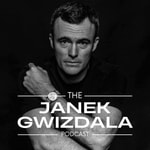

Dive deep into the music universe with the podcast that unveils the journey of one of the most influential bass players in the music industry – Janek Gwizdala. Designed for bass enthusiasts and musicians alike, each episode is a sonic exploration into the world of groove, gear. technique, and artistic evolution.
Janek Gwizdala, renowned for his mastery of the bass, shares his life's narrative – from the early days as a budding musician to his current status as a sought-after sideman and solo artist. Whether you're a seasoned bassist or simply appreciate the magic of live music, join us as we unravel the layers of Janek's experiences, revealing the secrets behind his signature sound.
Expect in-depth conversations with Janek and special guests, offering unique perspectives on music, composition, and the art of creating an unforgettable groove. Explore the challenges and triumphs of a professional bass player, gain insights into the creative process, and discover the stories behind some of Janek's most iconic performances.
Whether you're looking for inspiration for your own musical journey or simply want to bask in the rich tones of the bass, "The Janek Gwizdala Podcast" is your backstage pass to the world of bass and music.
Subscribe now for an intimate look at the life and legacy of Janek Gwizdala's bass-centric career.
janekgwizdala.substack.com
janekgwizdala.substack.com
Site
RSS
Apple
Données mises à jour le 14/10/2026
Classements récents
Dernières positions dans les classements Apple Podcasts et Spotify.
Liens partagés entre épisodes et podcasts
Liens présents dans les descriptions d'épisodes et autres podcasts les utilisant également.
Voir plusQualité et score du flux RSS
Évaluation technique de la qualité et de la structure du flux RSS.
Voir plusHistorique des publications
Répartition mensuelle des publications d'épisodes au fil des années.
© My Podcast Data · Projet indépendant · Données issues d'Apple & Spotify