It's Good To See You | Eye Health, Vision Care & More – Détails, épisodes et analyse
Détails du podcast
Informations techniques et générales issues du flux RSS du podcast.
It's Good To See You | Eye Health, Vision Care & More
Dr. Rupa Wong
Forme & Santé
Enfants & Parentalité
Fréquence : 1 épisode/8j. Total Éps: 145

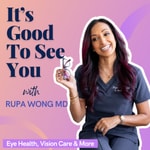
As a busy parent, you juggle a million things—but have you thought about your family’s eye health? *It's Good to See You: Eye Health, Vision Care & More* is hosted by Dr. Rupa Wong, a pediatric ophthalmologist and mom of 3, here to provide you with expert insights into your child’s vision, screen time tips, and everyday eye care.
From spotting vision problems in the classroom to debunking myths about blue light glasses, this podcast covers everything you need to keep your family’s eyes healthy. We’ll answer your most pressing questions, explore the latest treatments, and share actionable advice that fits into your hectic lifestyle. Whether you’re a new parent or just looking for practical tips, tune in each week to protect your family’s vision and learn more about eye care.
But don't worry, this isn't a dry medical podcast think of it like those late night convos you have with your girlfriends. So grab your glass of wine (or your beverage of choice) and settle in. Whether you're seeking guidance for eye wellness for yourself or your family, you're in the right place
Learn: www.DrRupaWong.com
Site
RSS
Apple
Données mises à jour le 04/07/2026
Classements récents
Dernières positions dans les classements Apple Podcasts et Spotify.
Liens partagés entre épisodes et podcasts
Liens présents dans les descriptions d'épisodes et autres podcasts les utilisant également.
Voir plusQualité et score du flux RSS
Évaluation technique de la qualité et de la structure du flux RSS.
Voir plusHistorique des publications
Répartition mensuelle des publications d'épisodes au fil des années.
© My Podcast Data · Projet indépendant · Données issues d'Apple & Spotify