Grief Informed Perinatal Care – Détails, épisodes et analyse
Détails du podcast
Informations techniques et générales issues du flux RSS du podcast.
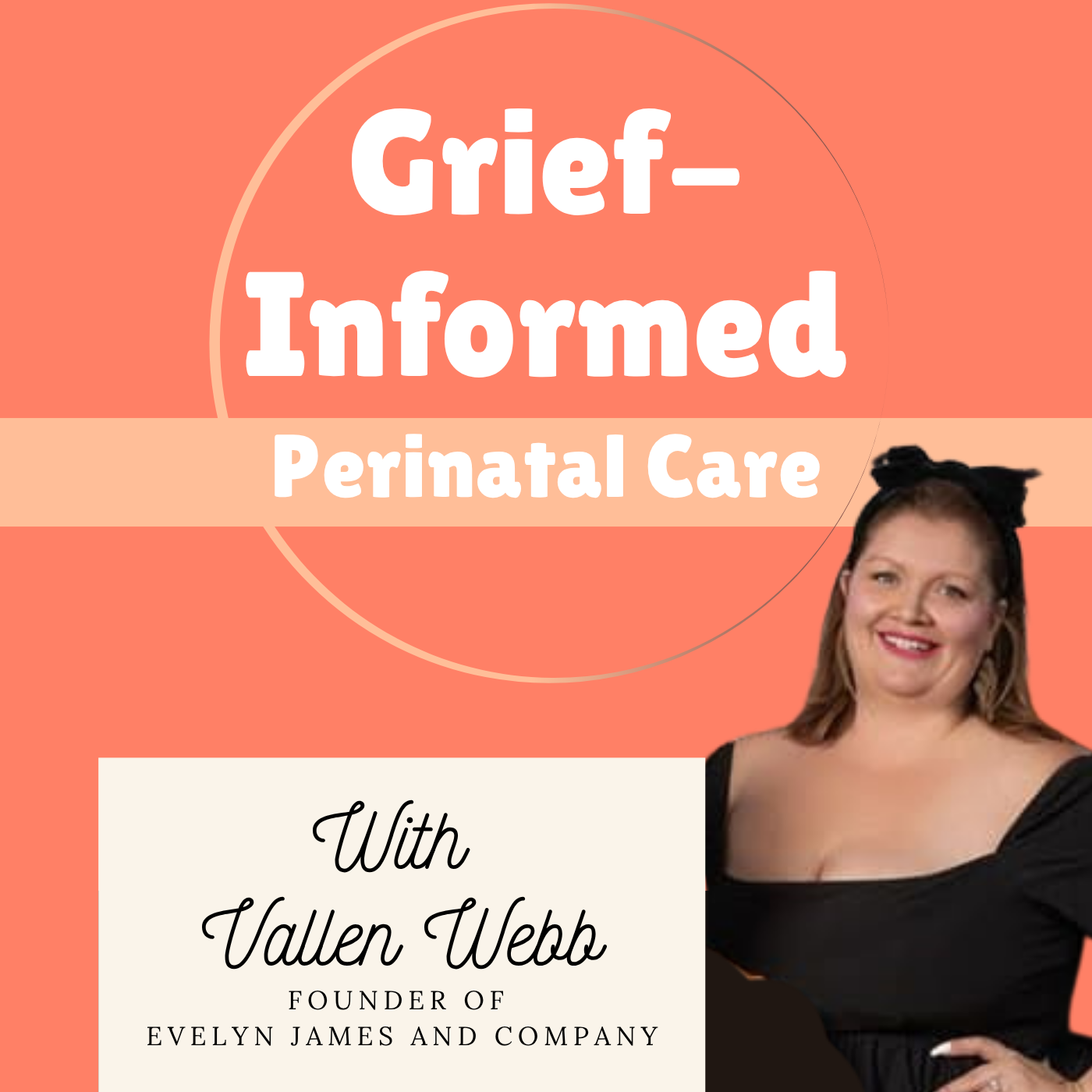
Grief Informed Perinatal Care
Vallen Webb
Éducation
Forme & Santé
Forme & Santé
Fréquence : 1 épisode/15j. Total Éps: 97

Grief-Informed Perinatal Care is the professional education podcast for doulas, birth workers, postpartum professionals, therapists, nurses and caregivers supporting families through miscarriage, stillbirth, pregnancy and infant loss, postpartum after loss, maternal mental health and pregnancy after loss.
Site
RSS
Apple
Données mises à jour le 04/10/2026
Classements récents
Dernières positions dans les classements Apple Podcasts et Spotify.
Liens partagés entre épisodes et podcasts
Liens présents dans les descriptions d'épisodes et autres podcasts les utilisant également.
Voir plusQualité et score du flux RSS
Évaluation technique de la qualité et de la structure du flux RSS.
Voir plusHistorique des publications
Répartition mensuelle des publications d'épisodes au fil des années.
© My Podcast Data · Projet indépendant · Données issues d'Apple & Spotify