Fibber McGee and Molly - OTR – Détails, épisodes et analyse
Détails du podcast
Informations techniques et générales issues du flux RSS du podcast.
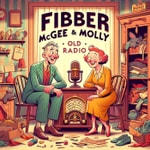

"Fibber McGee and Molly" OverviewCreators: The show was created and written by Don Quinn and Phil Leslie.Stars: It starred Jim Jordan as Fibber McGee and his real-life wife, Marian Driscoll Jordan, as Molly McGee.Broadcast Period: The show initially aired in 1935 and continued until 1959, making it one of the longest-running and most beloved radio comedies in American history.Characteristics of the Show
- Setting: The show was set in the fictional town of Wistful Vista, where Fibber McGee and his wife, Molly, lived. The comedy derived from the everyday situations and interactions between Fibber, Molly, and a diverse cast of town characters.
- Fibber McGee’s Closet: One of the most famous running gags of the show was Fibber McGee’s closet. Whenever the closet was opened, a huge cascade of items would fall out, symbolizing Fibber’s hoarding and disorganization, much to the amusement of the audience.
- Regular Characters and Catchphrases: The show featured regular characters like Throckmorton P. Gildersleeve, Mayor LaTrivia, and Doc Gamble, each bringing their own quirks to the show. It was also known for its catchy phrases, like Molly's "T'ain't funny, McGee!"
- Structure and Humor: Episodes often revolved around Fibber getting involved in various schemes or misunderstandings, with Molly acting as the more sensible counterbalance. The humor was gentle and character-driven, rooted in the interactions and eccentricities of small-town life.
- Impact and Legacy: "Fibber McGee and Molly" was immensely popular for its warm, humorous look at American life. It influenced numerous other radio shows and was a staple of the Golden Age of Radio. The show’s approach to comedy, character development, and the use of running gags set a standard for sitcoms both in radio and later television.
Site
RSS
Apple
Classements récents
Dernières positions dans les classements Apple Podcasts et Spotify.
Liens partagés entre épisodes et podcasts
Liens présents dans les descriptions d'épisodes et autres podcasts les utilisant également.
Voir plusAucun lien partagé par ce podcast
Qualité et score du flux RSS
Évaluation technique de la qualité et de la structure du flux RSS.
Voir plusHistorique des publications
Répartition mensuelle des publications d'épisodes au fil des années.
Podcasts Similaires Basées sur le Contenu
Découvrez des podcasts liées à Fibber McGee and Molly - OTR. Explorez des podcasts avec des thèmes, sujets, et formats similaires. Ces similarités sont calculées grâce à des données tangibles, pas d'extrapolations !
© My Podcast Data · Projet indépendant · Données issues d'Apple & Spotify