Easyflycasting – Détails, épisodes et analyse
Détails du podcast
Informations techniques et générales issues du flux RSS du podcast.
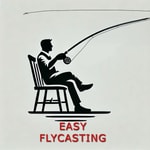

The Fly Caster’s Guide: From Beginner to Master
This podcast is dedicated to everyone captivated by the art of fly fishing. Whether you're a complete novice or an experienced angler looking to refine your skills, *The Fly Caster’s Guide* offers invaluable insights, practical tips, and inspiring stories from the world of fly fishing.
In each episode, we’ll explore the fundamental principles of fly casting, from the basic grip to more advanced techniques. We’ll focus on the crucial role of the “stop” in an effective cast and how to achieve that satisfying sensation when the fly rod “unloads” at the end of the motion. We’ll also debunk myths, such as the misconception that the line always follows the direction of your thumb.
Line control is the key to success in fly fishing. Just as a football player must master ball control to score, a fly fisher must master line control to present the fly precisely and effectively. We’ll discuss various techniques to enhance your line control, including “tracking,” which involves understanding how the rod’s movement influences the path of the line.
We’ll also cover the essential equipment for fly fishing, emphasizing the importance of choosing a rod and line that are balanced. While equipment matters, we’ll always highlight that the caster’s skills are vital to success. We’ll guide you in selecting the right gear for different types of fly fishing, such as dry fly, salmon fishing, and coastal fishing.
*The Fly Caster’s Guide* will also delve into the mental aspects of fly fishing. We’ll discuss the importance of training and practice, as well as how to develop “muscle memory” to automate casting movements. Tips for cultivating a positive and focused mindset during fishing will help you fully enjoy the experience.
Throughout the podcast, we’ll invite experienced fly fishers and instructors to share their knowledge, stories, and anecdotes. We’ll explore diverse fly fishing environments, from Danish rivers and lakes to exotic destinations.
Whether you’re a seasoned fly fisher or just starting to explore this captivating hobby, *The Fly Caster’s Guide* is your companion for improving your skills, expanding your knowledge, and immersing yourself in the thrilling world of fly fishing.
Site
RSS
Apple
Données mises à jour le 04/07/2026
Classements récents
Dernières positions dans les classements Apple Podcasts et Spotify.
Liens partagés entre épisodes et podcasts
Liens présents dans les descriptions d'épisodes et autres podcasts les utilisant également.
Voir plusQualité et score du flux RSS
Évaluation technique de la qualité et de la structure du flux RSS.
Voir plusHistorique des publications
Répartition mensuelle des publications d'épisodes au fil des années.
Podcasts Similaires Basées sur le Contenu
Découvrez des podcasts liées à Easyflycasting. Explorez des podcasts avec des thèmes, sujets, et formats similaires. Ces similarités sont calculées grâce à des données tangibles, pas d'extrapolations !
© My Podcast Data · Projet indépendant · Données issues d'Apple & Spotify