Deep Dive Into Water Safety - Détails, épisodes et analyse
Détails du podcast
Informations techniques et générales issues du flux RSS du podcast.
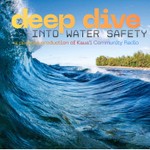
Deep Dive Into Water Safety
Kauaʻi Community Radio - KKCR
Sport
Sciences
Business & Entrepreneuriat
Fréquence : 1 épisode/8j. Total Éps: 43

Deep Dive Into Water Safety is a podcast dedicated to to one powerful truth: Drowning is preventable. Hosted by Kauaʻi waterperson Margaret Wright, the show features conversations with experts and community leaders from around the world who are working to save lives in and around the water.
Together, we explore practical strategies to prevent drownings, educate swimmers, keiki, and parents, and create clear, culturally grounded messaging that makes a difference. Deep Dive is guided by Hawaiʻiʻs first statewide Water Safety Plan, a plan built on the realities that Hawaiʻi has the second highest drowning rate in the United States and that we can do better.
Deep Dive Into Water Safety is produced on Kauaʻi by Kauaʻi Community Radio - KKCR, Kauaʻiʻs independent, non-commercial, listener-supported community radio station. kkcr.org.
Site
RSS
Apple
Données mises à jour le 04/11/2026
Classements récents
Dernières positions dans les classements Apple Podcasts et Spotify.
Liens partagés entre épisodes et podcasts
Liens présents dans les descriptions d'épisodes et autres podcasts les utilisant également.
Voir plusQualité et score du flux RSS
Évaluation technique de la qualité et de la structure du flux RSS.
Voir plusHistorique des publications
Répartition mensuelle des publications d'épisodes au fil des années.
© My Podcast Data · Projet indépendant · Données issues d'Apple & Spotify