Commas in the Chaos – Détails, épisodes et analyse
Détails du podcast
Informations techniques et générales issues du flux RSS du podcast.
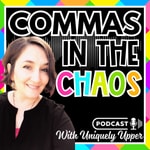

Commas in the Chaos is a podcast for upper elementary teachers who are juggling lesson plans, classroom chaos, and trying out what today’s grammar lesson is — all before lunch.
Whether grammar feels like your jam or your nemesis, this show is here to help you make it easier, clearer, and a whole lot more doable.
Hosted by Rachel, the owner of Uniquely Upper, each week brings short, actionable episodes packed with ideas that actually work — from quick grammar routines and sentence strategies to mindset shifts and survival tips.
It’s all served with just a little humor to get you through a busy week. Whether you’re planning tomorrow’s lesson or just trying to make it to Friday, Commas in the Chaos is your pause in the madness.
🎧 New episodes drop weekly. In the meantime, if you’re looking for tips, strategies, or just a teacher friend who gets it, come hang out on Instagram @uniquelyupper or visit www.uniquelyupper.com for more support.
Site
RSS
Apple
Classements récents
Dernières positions dans les classements Apple Podcasts et Spotify.
Liens partagés entre épisodes et podcasts
Liens présents dans les descriptions d'épisodes et autres podcasts les utilisant également.
Voir plusQualité et score du flux RSS
Évaluation technique de la qualité et de la structure du flux RSS.
Voir plusHistorique des publications
Répartition mensuelle des publications d'épisodes au fil des années.
© My Podcast Data · Projet indépendant · Données issues d'Apple & Spotify