British Folk Music: Where Are All The Black People? – Détails, épisodes et analyse
Détails du podcast
Informations techniques et générales issues du flux RSS du podcast.
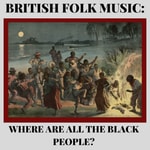
British Folk Music: Where Are All The Black People?
Marie Bashiru
Fréquence : 1 épisode/0j. Total Éps: 1

Classements récents
Dernières positions dans les classements Apple Podcasts et Spotify.
Apple Podcasts
🇬🇧 Grande Bretagne - musicHistory
02/02/2026#99🇬🇧 Grande Bretagne - musicHistory
31/01/2026#85🇬🇧 Grande Bretagne - musicHistory
30/01/2026#49🇬🇧 Grande Bretagne - musicHistory
29/01/2026#42🇬🇧 Grande Bretagne - musicHistory
30/09/2025#80🇬🇧 Grande Bretagne - musicHistory
29/09/2025#55🇬🇧 Grande Bretagne - musicHistory
28/09/2025#42🇬🇧 Grande Bretagne - musicHistory
20/06/2025#93🇬🇧 Grande Bretagne - musicHistory
19/06/2025#78🇬🇧 Grande Bretagne - musicHistory
18/06/2025#64
Spotify
Aucun classement récent disponible
Liens partagés entre épisodes et podcasts
Liens présents dans les descriptions d'épisodes et autres podcasts les utilisant également.
See all- https://www.angelinemorrisonmusic.com/
7 partages
- https://www.adanproject.com/
2 partages
Qualité et score du flux RSS
Évaluation technique de la qualité et de la structure du flux RSS.
See allScore global : 38%
Historique des publications
Répartition mensuelle des publications d'épisodes au fil des années.
British Folk Music: Where Are All The Black People?
mardi 1 novembre 2022 • Durée 01:12:40
Why are black people so rarely seen in British Folk Music, apart from the apparent and questionable guise of the Blackface traditions that we still see practiced today? What does belonging look like in a genre that has historically excluded those not considered White-British?
In this podcast, singer-songwriter, and researcher, Marie Bashiru, looks into the question of why Black people are so rarely seen in British Folk Music, historically and present; especially in comparison to our American counterparts in this genre. Shining a lens on the era of Blackface Minstrelsy in Britain during the 19th and 20th century as the phenomenon medium of folk music it was of its time, and its legacy today; as well as engaging conversation with various Black British folk musicians and practitioners, this podcast delves deeper into what it means to be a black folk musician in Britain, historically, now in the 21st century, and what it could look like moving forward.
To continue the conversation, and for the full list of all music excerpts featured, including the research's full bibliography, head over to https://www.mariebashiru.com, or alternatively, you can find me on all social media platforms, via @mariebashiru.
Time Stamps:
Introduction – 00:00:00 – 00:02:48
Chapter One: What Is Folk Music? - 00:02:49 - 00:07:31
This chapter does a short exploration of folksong’s origins, setting the stage and laying the foundation for those unfamiliar with folk music as a genre to give some historical background and context.
Chapter Two: Black People in Britain - 00:00:07:32 – 00:24:17
In this chapter, we explore what Black British history has historically looked like from the first recorded presence around the third century AD; beyond the usual de-facto narrative of the transatlantic slave trade, and the common misconception black people have only existed in large numbers in Britain since the 20th century.
Chapter Three: Blackface Minstrelsy in Britain – 00:24:18 – 00:49:01
This chapter explores the phenomenon era of Blackface Minstrelsy in Britain, its usage of the medium of folk music, and its impact and legacy it has had on British identity. The cross-cultural exchange of folk music within empire and the Americas, a key component of this era, and the folk music we hear today in these regions.
Chapter Four: Black British Folk Music – 00:49:02 – 01:10:40
This chapter focuses on the stories of three Black folk musicians, two of whom are Black British and one now based in England; speaking of their experiences in the folk genre, the impact of Britain’s denial of its hostile past and present, and how the folk stories of Black British people can be retold, and written anew.
Closing – 01:10:41 – 01:12:00
Acknowledgements – 01:12:01 – 01:12:40
Featured Guests (in order of appearance):
Zakia Sewell - Broadcaster, Writer + DJ based in London, - www.zakiasewell.co.uk
Angeline Morisson - Singer-Songwriter, lecturer at Falmouth University and board member of The English Folk and Dance Song Society - https://www.angelinemorrisonmusic.com/
Daudi Matsiko – Singer-Songwriter- https://earth-agency.com/artists/daudi-matsiko/
Germa Adan – Musician, Composer, Singer-Songwriter - https://www.adanproject.com/
Podcasts Similaires Basées sur le Contenu