ADHD Mums – Détails, épisodes et analyse
Détails du podcast
Informations techniques et générales issues du flux RSS du podcast.
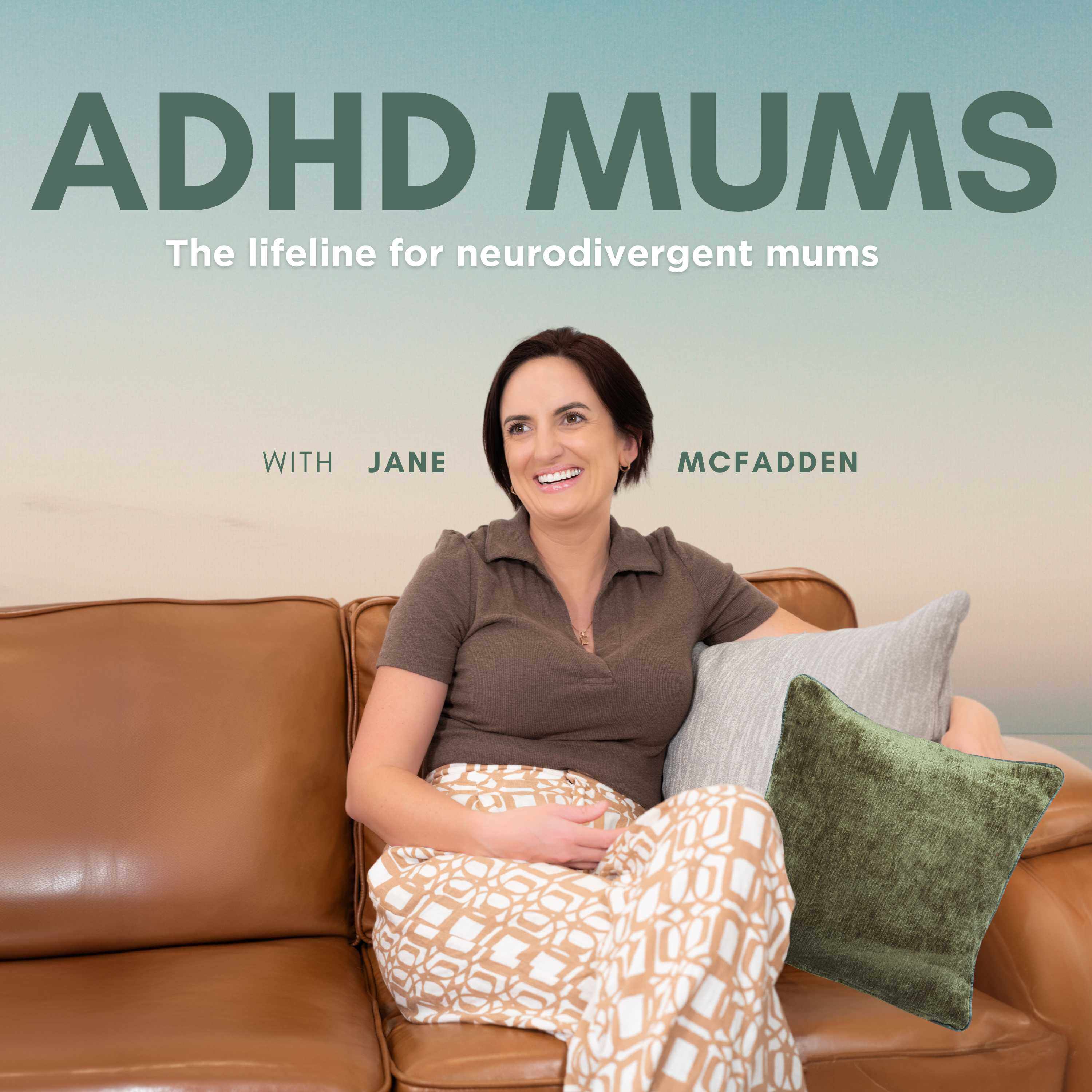
ADHD Mums
Jane McFadden
Fréquence : 1 épisode/4j. Total Éps: 218

Classements récents
Dernières positions dans les classements Apple Podcasts et Spotify.
Apple Podcasts
Aucun classement récent disponible
Spotify
Aucun classement récent disponible
Liens partagés entre épisodes et podcasts
Liens présents dans les descriptions d'épisodes et autres podcasts les utilisant également.
See all- https://omnystudio.com/listener
1115427 partages
- https://www.lifeline.org.au/
2701 partages
- https://www.instagram.com/beyondthebump.podcast
362 partages
- https://www.instagram.com/adhd_mums
297 partages
- https://www.instagram.com/sue.larkey
123 partages
Qualité et score du flux RSS
Évaluation technique de la qualité et de la structure du flux RSS.
See allScore global : 79%
Historique des publications
Répartition mensuelle des publications d'épisodes au fil des années.
43. QUICK RESET: Mum hack meal planning for when you're already burnt out.
Saison 3 · Épisode 43
mercredi 17 septembre 2025 • Durée 14:09
Meal planning was built for neurotypicals. That’s why it breaks ADHD mums.
In this Quick Reset, Jane calls out the shame trap of “just get organised” and explains why meal planning feels impossible when it demands six executive functions at once. From frozen meat to kids refusing everything you bought, this episode offers ADHD-friendly hacks for surviving dinner when you’re already on the edge .
What We Cover in This Episode- Why meal planning is an executive function overload, not laziness
- The invisible cost: six domains firing at once — predict, remember, plan, shop, cook, clean
- Why “future you” can’t be trusted to follow perfect systems
- How to design a “burnout menu” for your worst days
- Theme nights, breakfast-for-dinner, and recurring online orders as ADHD-friendly tools
- Why bubble baths don’t fix brain fog — but survival food does
This Episode Is For You If…
- You hate meal planning, cooking, or even thinking about food
- You keep forgetting key ingredients or end up with “nothing to cook” after shopping
- Your kids’ picky eating, ARFID, or sensory issues make one-meal-fits-all impossible
- You feel guilty for not sticking to meal plans
- You want hacks that actually work on burnout days, not Pinterest fantasy boards
Claim: “Meal planning reduces executive function load, supports emotional regulation, and creates predictability for ADHD households — especially when meals are visually structured, repetitive, and simplified.”
🔍 Research & References for Show Notes:Executive Function and Planning Impairments in ADHD
- Barkley, R. A., & Murphy, K. R. (2006). Attention-Deficit Hyperactivity Disorder: A Clinical Workbook (3rd ed.).
- Highlights impairments in planning, organisation, and future thinking in ADHD adults and families. Recommends routines and external structures for managing daily demands.
- Baumeister, R. F., et al. (2008). Ego Depletion: Is the Active Self a Limited Resource? Journal of Consumer Research, 36(4), 543–556.
- Explains how repeated decision-making (like “What’s for dinner?”) leads to emotional exhaustion and poor impulse control — especially in people with existing cognitive load issues.
Routine and Predictability Reduce Stress
- Pelham, W. E., Fabiano, G. A. (2008). Evidence-Based Psychosocial Treatments for Attention-Deficit/Hyperactivity Disorder. Journal of Clinical Child & Adolescent Psychology, 37(1), 184–214.
- Shows that structured routines like planned meals and consistent eating times reduce behavioural stress in ADHD children.
Visual and Repetitive Meal Systems Help ADHD Households
- Tuckman, A. R. (2009). More Attention, Less Deficit: Success Strategies for Adults with ADHD.
- Recommends simplifying meals, using visual lists or repeating favourite foods to limit overwhelm and improve follow-through in ADHD adults.
Link Between Blood Sugar Stability, Nutrition, and Emotional Regulation
- Benton, D., & Donohoe, R. T. (1999). The Effects of Nutrients on Mood. Public Health...
42. HORMONES: HRT, ADHD & Perimenopause: What No One’s Explaining to Women
Saison 3 · Épisode 42
lundi 15 septembre 2025 • Durée 43:17
Night sweats, meltdowns, migraines, brain fog — and still dismissed as “mum stress.” For ADHD women, perimenopause isn’t weakness — it’s biology colliding with a system that refuses to notice.
In this episode, Jane speaks with Dr Lara Briden, naturopathic doctor and author of Hormone Repair Manual, to unpack what perimenopause really looks like for ADHD women, why blood tests often come back “normal,” and how body-identical hormone therapy can help.
What We Cover in This Episode- Why blood tests often miss perimenopause — and why “normal” doesn’t mean well
- How ADHD and hormones collide to intensify brain fog, rage, and sleep problems
- The role of histamine, thyroid, and iron in brain fog and exhaustion
- What HRT actually is — body-identical vs synthetic hormones
- Why antidepressants are over-prescribed when perimenopause is misdiagnosed
- Practical survival tools: progesterone, circadian rhythm resets, and magnesium — because bubble baths don’t fix brain fog
- Why perimenopause is puberty 2.0 — a transition, not a failure
This Episode Is For You If…
- You’re over 37 and struggling with new rage, brain fog, or sleep issues
- You’ve been told your blood tests are “normal,” but you feel broken
- You’ve been dismissed with antidepressants when your body was screaming hormones
- You’re curious about how HRT interacts with ADHD and stimulants
- You want validation that perimenopause isn’t hysteria — it’s biology in transition
🧠 Resources for You
- Perimenopause Symptom Tracker – Free self-check to see if what you’re experiencing might be perimenopause. Download here →
- Perimenopause ADHD Brain Fog Kit – Practical tools for mums dealing with brain fog, memory slips, and hormone chaos. Find it here
References & Resources Mentioned
- Dr Lara Briden website: https://www.larabriden.com/
- Hormone Repair Manual — Lara’s book on navigating perimenopause:
- Lara Briden’s guide to natural treatment ideas for premenstrual mood symptoms: larabriden.com/top-6-natural-treatments-for-premenstrual-mood-symptoms
- Insights from Dr Jerilynn Prior in the final bonus session of The Hormone Whisperers: tanyaborowski.com/shop/p/the-hormone-whisperers-may25-recordings
Related ADHD Mums Episodes
- The Perimenopause Crash — Progesterone, Stress, and the Rage Nobody Warned Us About
- Histamine + Hormones: Why You Feel Like You’re Falling Apart
🎧 Listen now: HORMONES: HRT, ADHD & Perimenopause — What No One’s Explaining to Women — on Spotify, Apple, or
33. CONFESSIONS: I Don’t Always Like Being a Parent
Saison 3 · Épisode 33
mercredi 20 août 2025 • Durée 12:45
Sometimes parenting feels like being pecked to death by tiny, unstable chickens. We love our kids fiercely — but that doesn’t mean we have to love every single moment of raising them.
In this unfiltered Quick Reset, Jane says the thing so many ADHD mums are scared to admit out loud: I don’t always like being a parent. And no — that doesn’t make you a bad mum. It makes you human.
From the endless to-do lists and medical appointments to the sensory overload and invisible labour, parenting as a neurodivergent mum is a full-body, full-time emotional marathon. And when you’re doing it without enough support, it’s no wonder your nervous system is running in the red.
Jane breaks down the science of parental burnout, the myths that make mums feel guilty for struggling, and the quiet ways we can reclaim honesty, capacity, and space — without toxic positivity or pretending everything’s fine.
💬 In this episode, we cover:
- Why it’s normal to feel touched-out, overstimulated, and over it
- The clinical research on parental burnout — especially for ADHD mums
- How gratitude and burnout can coexist (and why ‘but you chose this’ is unhelpful)
- Scripts for asking for space — with or without telling the truth
- Why emotional honesty helps our kids more than pretending to be happy
💭 This episode is for you if:
– You’ve ever thought, I can’t do this for one more second — and then kept going anyway
– You’re tired of feeling guilty for not loving every moment of motherhood
– You want permission to name the hard stuff without fear of judgment
📥 Add your own anonymous confession:
👉 https://form.jotform.com/251238072679867
🔗 References
Parental Burnout (2021 Study) - A clinical study found that 12.9% of parents met clinical levels of parental burnout, with symptoms most common in mothers—especially those with perfectionism, neurodivergence, or low social support.
Regret in Parenthood (2015 Study, British Parents) - Research revealed that 8% of British parents regret having children, highlighting how unprepared many were for the realities of parenting.
Torn in Two: The Experience of Maternal Ambivalence by Rozsika Parker - This book explores how it is completely normal to love your child while disliking aspects of motherhood, offering a compassionate look at maternal ambivalence.
Unequal Care Work (2022 Study on Heterosexual Households) - A recent study showed that women in heterosexual households do 2.5x more unpaid care work than men, often paired with feelings of guilt for not fully enjoying it.
JOIN THE COMMUNITY:
Have questions or want to connect with other ADHD mums? Join our supportive Facebook group here and dive into the conversation. No question is too small, and I love answering in a group format!
FOLLOW FOR...
MINI SERIES (Episode 4): Emotional Abuse and Lived Experience
Saison 2 · Épisode 40
mercredi 30 octobre 2024 • Durée 49:03
In this Mini-Series, for this episode we dive deep into the painful reality of emotional abuse in families, especially in mother-child relationships. We speak with Jasmine (not her real name), who courageously shares her personal experience of enduring emotional abuse by her mother throughout her childhood and into adulthood.
TRIGGER WARNING: This podcast series discusses topics that may be distressing to some listeners, including child abuse, physical and sexual abuse, and emotional trauma. If you or someone you know is affected by these issues, please prioritise your well-being and consider listening to a different episode or proceed with caution. If you feel overwhelmed at any point, it's okay to take a break or seek support.
This episode sheds light on:
- What emotional abuse looks like in familial relationships
- The long-term psychological impact of emotional manipulation and control
- How children in emotionally abusive homes may act and how difficult it can be to identify abuse
- Practical signs to look for in children that may be silently suffering, and what we, as parents and community members, can do to offer support
- Jasmine's brave escape from her emotionally abusive home and how she reclaimed her life
Emotional abuse doesn't leave physical marks, but its effects can be equally, if not more, damaging than other types of abuse. This episode is a powerful reminder that we must pay attention to the hidden struggles children face and create environments where they feel safe, loved, and supported.
Let’s be real—we can’t change or cover everything in one podcast series. But what we can do is start the conversation. If this episode helps even one person recognise the signs of emotional abuse or points them toward safety, it’s worth it. It’s not about perfection, it’s about offering hope and shedding light on what’s often kept in the dark.
Support and Help Lines:
- 1800RESPECT: A national sexual assault, domestic, and family violence counseling service. Confidential and available 24/7. Call: 1800 737 732. Visit the Website
- Relationships Australia: Offers counseling, mediation, and support services. Call: 1300 364 277
- Men’s Referral Service: Support for men using family violence, offering confidential counseling and resources. Call: 1300 766 491
- Family Relationship Advice Line: Offers information and support for family separation, parenting arrangements, and more. Call: 1800 050 321
- Women’s Health Centres: Specialized support for women affected by domestic violence, including counseling and medical services. Contact your local center.
- In Immediate Danger: Call: Triple Zero (000)
Legal Protection Orders
If you need protection, apply for legal orders such as Apprehended Domestic Violence Orders (ADVOs) or similar orders in your state or territory.
Tech Safety Tips
For technology-related abuse, contact WESNET or visit the
40. ADHD Medication: Stimulants vs. Non Stimulants [Solo Episode] with Jane McFadden
Saison 2 · Épisode 40
mardi 29 octobre 2024 • Durée 16:27
In this solo episode, I talk about a topic that's highly relevant for anyone navigating life as an ADHDer: the differences between stimulant and non-stimulant medications. Whether you're considering medication for yourself or your child, understanding your options and how they work is crucial.
For detailed info, check out A Guide to ADHD Medication on my website. This is for the mums who are fed up with the confusing advice and just want the facts about ADHD medication – no fluff, no jargon. Discover the different types of medications, how to choose the right one, and what to expect during the process. Learn how to monitor effectiveness, tackle common issues, and work with your healthcare provider to find the best fit for you or your child. This guide also addresses what to do if ADHD medication starts to make you more sensory sensitive, teary, or withdrawn, helping you recognise when it might be unveiling underlying Autistic traits.
Timestamps (approx):
- 2 mins: An overview of common stimulants like Adderall, Ritalin, and Vyvanse and how these medications affect the central nervous system to improve focus and energy
- 3 mins: Debunking myths surrounding stimulants and addiction
- 6 mins: Options for those sensitive to stimulants or dealing with anxiety
- 11 mins: Balancing trial and error in finding the right treatment
- 13 mins: Common side effects of both stimulant and non-stimulant medications
- 14 mins: Preparing for appointments with healthcare providers
Related Episode: From Skeptic to Advocate – Hear more about Jane’s journey in deciding to use ADHD medication for her children. Listen on Apple Podcasts or Spotify.
Mentioned in This Episode: DNA Testing – for listeners interested in learning how their body might respond to different medications. (Note: This is an informational mention, not an endorsement)
Please note: The information provided in this episode is for informational purposes only and is not intended as medical advice. While the content is based on current knowledge and research, it may not reflect the most recent developments and does not consider individual medical circumstances. Always consult a qualified healthcare provider or medical professional before starting, stopping, or changing any medication or treatment plan.
BOOK IN WITH JANE'S RECOMMENDED THERAPISTS
If you're looking to connect with a parenting specialist or psychologist for expert advice on parenting, please check out www.adhdmums.com.au/services. Your journey to more confident and supported parenting starts here!
CONNECT WITH ME...
If you’ve got a question or want to connect with other ADHD mums, we’ve got a whole community on our Facebook group. Click here to join
39. Misdiagnosis in ADHD and Bipolar Disorder with Georgia Poletti-Moulds
Saison 2 · Épisode 39
lundi 28 octobre 2024 • Durée 21:20
In this episode of ADHD Mums, I chat with Georgia Poletti Moulds, co-host of the Going Loco podcast. Georgia candidly shares her journey with bipolar and her recent realisation that she likely has inattentive ADHD, discovered through her son's diagnostic process.
Jane and Georgia discuss the challenges of distinguishing between bipolar and ADHD, especially when symptoms like hyperactivity, hyperfocus, and mood fluctuations can appear similar. They also touch on the impact of family history, the nuances of managing mental health during pregnancy, and the importance of advocating for oneself within the healthcare system.
Please Note: There is a brief mention of suicide in this episode.
Listen to Georgia on her Going Loco Podcast here
What’s next?
- Connect with like-minded mums in my FB community: https://www.facebook.com/groups/777102743903210
- Browse my free downloadable guides: https://adhdmums.com.au/resources/
- Looking for more in-depth resources? Check out my newly launched ADHD Mums Shop: https://adhdmums.com.au/shop/
BOOK IN WITH JANE'S RECOMMENDED THERAPISTS
If you're looking to connect with a parenting specialist or psychologist for expert advice on parenting, please check out www.adhdmums.com.au/services. Your journey to more confident and supported parenting starts here!
CONNECT WITH ME...
If you’ve got a question or want to connect with other ADHD mums, we’ve got a whole community on our Facebook group. Click here to join and post your question. Don’t worry if it’s been asked before! I love to answer everyone in a group format.
FOLLOW FOR MORE...
I post more content, insights and help on my social media accounts. Follow along for more ADHD mum content.
- Instagram: https://www.instagram.com/adhd_mums
- Facebook: https://facebook.com/100091850469503/
- TikTok: https://www.tiktok.com/@adhdmumsaus
- YouTube: https://youtube.com/channel/UCB0uYIHpFKFo6AdhQQaBr1w
LEAVE ME A REVIEW
Your review means the world to me! Your thoughts really help others discover my content that I genuinely (and passionately) hope could make a difference in their lives. Your support creates a ripple effect of spreading my show around and hopefully reaching the right people (especially Mum’s who may be at their wit’s end).
WANT TO COLLABORATE?
If you’re enquiring about a collaboration or speaking engagement – please email jane@adhdmums.com.au.
EXTRA RESOURCES:
Still not sure if you have ADHD or are...
MINI SERIES (Episode 3): Maternal Suicide and Lived Experience
Saison 2 · Épisode 38
mercredi 23 octobre 2024 • Durée 34:37
TRIGGER WARNING: This podcast series discusses topics that may be distressing to some listeners, including lived experience recordings of attempted suicide. If you or someone you know is affected by these issues, please prioritise your well-being and consider listening to a different episode or proceed with caution. If you feel overwhelmed at any point, it's okay to take a break or seek support.
We cover the harrowing reality of maternal suicide, which tragically accounts for up to 20% of maternal deaths in Australia. You’ll hear deeply personal stories from two women, who bravely share their experiences with postpartum depression and suicidal thoughts. These stories are not just for mothers but for anyone who supports or knows a mother who may be struggling in silence.
We explore:
- The overwhelming pressures of motherhood, especially for neurodivergent women.
- The silent struggles many mothers face, hidden behind smiles and societal expectations.
- How hormonal shifts, financial stress, lack of sleep, and relationship changes contribute to maternal depression.
- The importance of community, connection, and asking for help.
- How reaching out or recognising warning signs can prevent tragic outcomes.
Let’s be real—we can’t change or cover everything in one podcast series. But what we can do is start the conversation. If this episode helps even one person recognise the signs of suicidal thoughts in a friend or encourages a mother to go and seek help then this has been worth it. It’s not about me perfectly covering all aspects of suicide, it’s about offering hope and shedding light on what’s often kept in the dark.
Related Episodes:
Mini Series: The Untold Struggles of Motherhood Series
- S1E45 The Untold Struggles of Motherhood Series (Part 1) - Anonymous Guest who gets real about what motherhood is for her and how little she enjoys it
- S1E64 The Untold Struggles of Motherhood Series (Part 2) - Kaitlyn Fawlkner
- S2E11 The Untold Struggles of Motherhood Series (Part 3) - with Lucy Hollister
References:
What does depression look like in Mums?
Support and Help Lines:
Here are some helplines and support services in Australia specifically for mothers struggling with suicidal thoughts or experiencing mental health challenges:
National Helplines for Suicidal Mothers:Lifeline: Phone: 13 11 14 - Website: www.lifeline.org.au - Lifeline offers 24/7 crisis support and suicide prevention services for anyone in distress, including mothers experiencing suicidal thoughts.
Beyond Blue: Phone: 1300 22 4636 -...
38. How ADHD medication revealed my Autistic traits [Solo Episode] with Jane McFadden
Saison 2 · Épisode 38
mardi 22 octobre 2024 • Durée 20:45
*Be aware I mention suicidal thoughts briefly in this episode*
In this solo episode of ADHD Mums, I share my personal journey of how ADHD medication led to the unexpected discovery that I was Autistic. As more women receive an ADHD diagnosis later in life, many are realising there’s more beneath the surface. I discuss how stimulant medications like Vyvanse helped me manage ADHD symptoms, but also highlighted sensory sensitivities and social struggles that pointed to autism.
I open up about feeling overwhelmed and the importance of seeking support as a neurodivergent mum. Whether you’re newly diagnosed or have been managing ADHD for years, this episode explores the complexities of living with ADHD and autism, and the emotional impact it can have on your life.
Key Takeaways:
- ADHD medication can help manage symptoms, but it may also reveal underlying autism, especially in late-diagnosed women.
- Navigating the healthcare system for ADHD and autism can be challenging, but seeking the right support is essential.
- Putting yourself first as a mum is crucial for your well-being and your family’s.
Links Mentioned:
- ADHD Mums Facebook Group – Join our community to connect with other neurodivergent mums.
- ADHD Medication Guide – A helpful guide on different ADHD medications and how they work.
- Previous Episode: Jane’s Medication Journey – Listen to my earlier episode discussing my ADHD diagnosis and experience with medication. Listen on Apple or Spotify
What to listen to next:
S2 E37 ADHD, Autism, or Both? Kara’s Story of Burnout and Sensory Overload: Listen on Apple or Spotify
S2 E13 ADHD & Sensory Overwhelm: Identifying Triggers and Finding Relief with Rebecca Torpie: Listen on Apple or Spotify
BOOK IN WITH JANE'S RECOMMENDED THERAPISTS
If you're looking to connect with a parenting specialist or psychologist for expert advice on parenting, please check out www.adhdmums.com.au/services. Your journey to more confident and supported parenting starts here!
CONNECT WITH ME...
If you’ve got a question or want to connect with other ADHD mums, we’ve got a whole community on our Facebook group. Click here to join and post your question. Don’t worry if it’s been asked before! I love to answer everyone in a group format.
FOLLOW FOR...
37. ADHD, Autism, or Both? Kara’s Story of Burnout and Sensory Overload
Saison 2 · Épisode 37
lundi 21 octobre 2024 • Durée 40:15
In this episode, Kara Lynch, a neurodivergent mum and teacher from Sydney, shares her late ADHD diagnosis at 41, following her daughter's diagnosis. Kara opens up about her struggles with burnout, sensory overload, and the challenge of setting boundaries, which led to a breakdown late last year. Her candid account of how anxiety and sensory sensitivities affected her daily life, work, and parenting will resonate with neurodivergent mums navigating similar experiences.
Kara also discusses how she continues to question whether she might be autistic, given her heightened sensory sensitivities and the impact that masking has had on her mental health and social life. This episode explores the often-overlooked realities of balancing motherhood, work, and personal well-being as a neurodivergent woman.
Key Topics Covered:
- Kara shares the emotional and physical toll of burnout and anxiety, as well as the life-changing support she received from her GP.
- You'll hear about the role of sensory sensitivities in Kara's life, from work environments to parenting challenges, and how ADHD and potential autism overlap.
- Kara provides insights into people-pleasing at work, setting boundaries, and managing the relentless noise and chaos of everyday life with children.
- If you've ever struggled with masking in social situations, Kara's experience with a new friendship group will feel familiar.
- This episode offers practical tips for managing sensory overload, communicating your needs, and setting boundaries to avoid burnout.
Timestamps (approx.):
- 2 mins: The buildup to burnout: juggling family, work, and sensory overload
- 8 mins: Sensory overload: managing noise, visual clutter, and daily triggers
- 15 mins: Exploring potential autism: sensory overload and medication effects
- 21 mins: Burnout recovery: reducing workload and setting healthy boundaries
- 30 mins: Tips for navigating neurodivergent parenting and social situations
What to listen to next:
S2 E13 ADHD & Sensory Overwhelm: Identifying Triggers and Finding Relief with Rebecca Torpie: Listen on Apple or Spotify
S2 E22 Is it ADHD or Motherhood? [Solo Episode]: Listen on Apple or Spotify
Helpful resource: Check out my Pre-diagnosis assessment workbook
BOOK IN WITH JANE'S RECOMMENDED THERAPISTS
If you're looking to connect with a parenting specialist or psychologist for expert advice on parenting, please check out www.adhdmums.com.au/services. Your journey to more confident and supported parenting starts here!
CONNECT WITH ME...
If you’ve got a question or want to connect with other ADHD mums, we’ve got a whole community on our Facebook...
MINI SERIES (Episode 2): Coercive Control and Lived Experience
Saison 2 · Épisode 37
mercredi 16 octobre 2024 • Durée 51:25
TRIGGER WARNING: This podcast series discusses topics that may be distressing to some listeners, including domestic violence, physical and sexual abuse, and emotional trauma. It includes real-life accounts from survivors that may be distressing. If you or someone you know is affected by these issues, please prioritise your well-being and consider listening to a different episode or proceed with caution. If you feel overwhelmed at any point, it's okay to take a break or seek support.
In this Mini Series, we dive into the complexities of domestic violence, touching on how these often hidden forms of harm affect countless lives. While it’s impossible to cover everything, our goal is simple: to shed light on these critical issues, help those who may see themselves in these situations, and point toward where support is available.
Let’s be real: we can’t change or cover everything in one podcast series. But what we can do is start the conversation. If this episode helps even one person recognise the signs of abuse or points them toward safety, it’s worth it. It’s not about perfection, it’s about offering hope and shedding light on what’s often kept in the dark.
Support and Help Lines:
If you or someone you know is in an abusive situation, reaching out to professionals can be life-changing. I don't want to create resources on a website with no 'quick exit' function. A quick exit function on domestic violence (DV) websites is designed to protect individuals who may be in immediate danger while seeking help or information online. Many victims of domestic violence are closely monitored by their abusers, including their online activities. The quick exit button allows users to leave the website instantly and redirects them to a neutral site, like a search engine, with one click.
Support and Help Lines:
If you or someone you know is in an abusive situation, reaching out to professionals can be life-changing. I don't want to create resources on a website with no 'quick exit' function. A quick exit function on domestic violence (DV) websites is designed to protect individuals who may be in immediate danger while seeking help or information online. Many victims of DV are closely monitored by their abusers, including their online activities. The quick exit button allows users to leave the website instantly and redirects them to a neutral site, like a search engine, with one click.
- 1800RESPECT: A national sexual assault, domestic, and family violence counselling service. Confidential and available 24/7. Call: 1800 737 732. Visit the Website
- Relationships Australia: Offers counselling, mediation, and support services. Call: 1300 364 277
- Men’s Referral Service: Support for men using family violence, offering confidential counselling and resources. Call: 1300 766 491
- Family Relationship Advice Line: Offers information and support for family separation, parenting arrangements, and more. Call: 1800 050 321
- Women’s Health Centres: Specialised support for women affected by domestic violence, including counselling and medical services. Contact your local centre.
- In Immediate Danger: Call: Triple Zero (000)
Legal Protection Orders
If you need protection, apply for legal orders such as Apprehended Domestic Violence Orders (ADVOs) or similar orders in...
Podcasts Similaires Basées sur le Contenu